
50+ languages

 Adelaide · Australia
 Adelaide Audio Tours
Discover Adelaide with self-guided audio walking tours
headphones
1 tours
pin_drop
20 landmarks
translate
Adelaide tours
Pick a Adelaide worth walking.
Self-guided audio tours written by people who actually live there.
1 tours

Top landmarks
The Adelaide everyone knows.
The landmarks in every guidebook — and the tours that tell you what guidebooks don't.
A few words on Adelaide
Free settlers, fine wine, and the world's second biggest arts festival.
Adelaide was Australia's only British colony founded without convict labour, a fact the city mentions with a regularity that might become tedious if the rest of its history were not interesting enough to justify the pride. Colonel William Light designed the city in 1836 with a clarity that still defines it: a central grid of wide streets, a ring of parklands around the perimeter, and five squares arranged in a pattern that was partly inspired by Philadelphia and partly by his own military experience. Locals navigate by the parklands and the grid together, and visitors rarely get lost once they understand that the parklands form a complete belt around the centre that you can walk or cycle without crossing a road.
The Barossa Valley, the Clare Valley and McLaren Vale are all within an hour's drive and produce some of Australia's most distinguished wines, particularly Shiraz, Grenache and Riesling.
Central Market on Gouger Street, open since 1869, is the best covered food market in the country by most informed assessments: the cheese stall alone, Smelly Cheese Shop on the Grote Street end, commands a small and devoted following. North Terrace is the cultural boulevard, where the Art Gallery of South Australia, the South Australian Museum, the State Library and the University of Adelaide form a walkable cultural corridor unlike anything in most cities of comparable size.
Adelaide
Adelaide FAQ
Before you walk.
Very. Light's grid gives Adelaide one of the most walkable city centres in Australia. From Rundle Mall to North Terrace is five minutes. The Central Market to the South Australian Museum is ten minutes. The parklands ring provides a complete green walking circuit around the entire centre. Most places worth visiting on a first day are within twenty minutes of each other on foot.
Adelaide has a free city tram running from the Entertainment Centre through the CBD to the beachside suburb of Glenelg, which is the most scenic transit option in the city. Buses and trains cover the suburbs. A visitor day pass on the Adelaide Metro covers all modes and is available from tram stops and train stations.
Yes. The Barossa Valley is seventy kilometres north and takes about an hour by road. The Clare Valley is about ninety minutes north. McLaren Vale is forty minutes south of the city. None is easily served by public transport in a single day, so a car or organised wine tour is practical. Tour operators in the city run daily tours to all three regions.
Yes, central Adelaide is one of Australia's most accessible city centres. The wide flat streets, low kerbs and pedestrian zones around Rundle Mall and North Terrace present no significant barriers. The parklands paths are smooth and wide. The Central Market and major museums all have full wheelchair access.
Every Adelaide tour, in your language.
All 50+ languages, included with every booking.
🇬🇧 English🇫🇷 Français🇪🇸 Español🇩🇪 Deutsch🇮🇹 Italiano🇯🇵 日本語🇨🇳 中文🇰🇷 한국어+ 41 more
star AudaTours Unlimited
Visiting more than one city? Subscribe.
Unlock every Adelaide tour — plus thousands more worldwide. Cancel any time.
$4.99/week · Cancel anytime

More in Australia
Explore Australia arrow_forwardOther cities to walk in Australia.
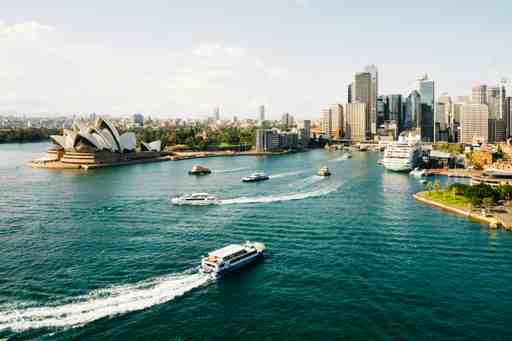


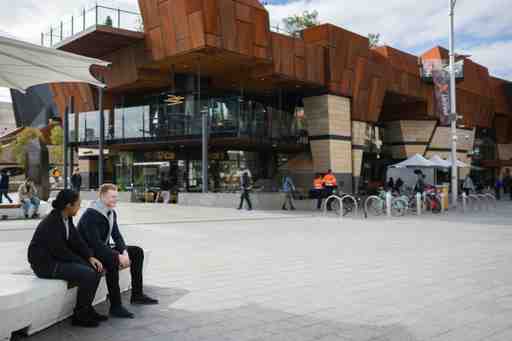
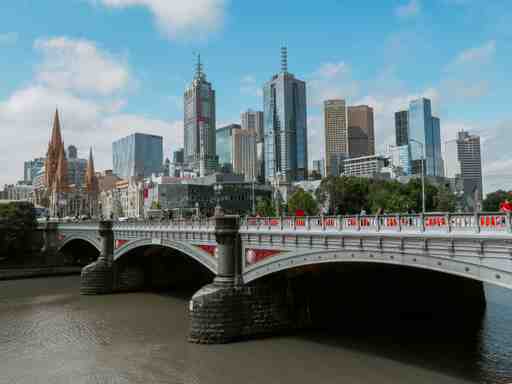
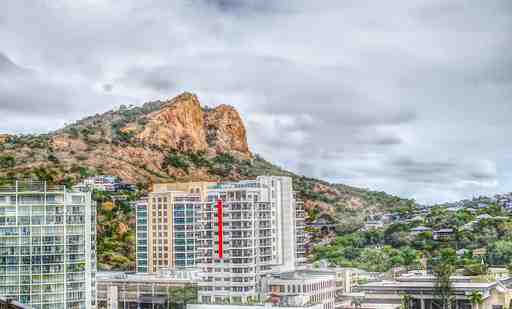
Loved by travellersThousands of tours started.
Thousands of tours started.
Plenty of opinions.
4.8 across the App Store and Google Play. Here's a few we keep coming back to.
starstarstarstarstar
This tour was such a great way to see the city. The stories were interesting without feeling too scripted, and I loved being able to explore at my own pace.

Jess
Tbilisi Tourstarstarstarstarstar
This was a solid way to get to know Brighton without feeling like a tourist. The narration had depth and context, but didn't overdo it.

Christoph
Brighton Tourstarstarstarstarstar
Started this tour with a croissant in one hand and zero expectations. The app just vibes with you, no pressure, just you, your headphones, and some cool stories.

John
Marseille Tourdownload Get the app Pop your headphones in.


Pop your headphones in.
Step outside.
Free to download. Tours in every city. Start in 60 seconds — no account, no card.

headphones
~ 4 min until your first tour starts
public
1,000+ cities worldwide
all_inclusive
AudaTours
Unlimited
Every tour. Every city. One subscription.
3097 tours2273 cities138 countries50+ languages
$39 /year
all_inclusive Explore Unlimited