
50+ languages

 Umea · Sweden
 Umea Audio Tours
Discover Umea with self-guided audio walking tours
headphones
3 tours
pin_drop
20 landmarks
translate
Umea tours
Pick a Umea worth walking.
Self-guided audio tours written by people who actually live there.
3 tours

Umeå Highlights Audio Tour: Cultural Gems and Northern History
Umeå rose from the ashes of a devastating fire that nearly erased its existence. Beneath the calm facade of this northern hub lie echoes of political battles, cold prison cells, and scandals buried by the shifting snow. Uncover these secrets with a self-guided audio tour designed to reveal the city that most travelers walk past without a second glance. Why was the city hall built with such defiant architectural grandeur after the great flames died down? What phantom cries still haunt the limestone walls of the County Cell Prison? How did a seemingly quiet church become the silent witness to a town-wide rebellion? Navigate through the shadows of the past and feel the pulse of history beneath your feet. Transform your walk into an immersive exploration of resilience and hidden intrigue. Ready to confront the flames? Press play and let the truth surface.
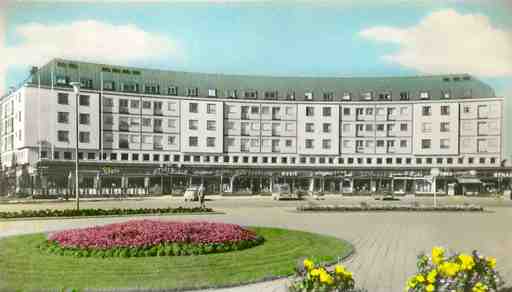
Umeå Audio Tour: Melodies, Museums & Modern Marvels
On a winter night in Umeå, the city lights flicker against the snow and old secrets stir beneath the surface. This self-guided audio tour leads through winding avenues and landmark halls, revealing hidden episodes and unsung stories even locals rarely hear. Experience Umeå beyond the postcards as you wander at your own pace. What urgent message forced its way into the mayor's office at Umeå City Hall during a night of political upheaval? Which lost opera performance at Norrlandsoperan set tongues wagging with scandal and mystery? Why does a strangely placed plaque in the City of Umeå museum remain the subject of heated debate among historians? Move through shadowed streets and golden foyers. Sense the pulse of rebellion beneath every cobblestone and discover how drama and intrigue shaped this northern city’s spirit. Embrace the unknown and let Umeå reveal its hidden stories. Your adventure begins now.
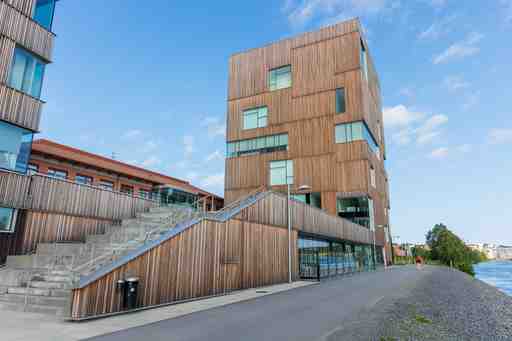
Umeå Audio Tour: Artistic Footprints and Hidden Stories
Northern lights may claim the sky over Umeå, but on the ground, the city holds brighter secrets—whispers echo between art, scandal, and design as night falls on quiet cobblestones. This self-guided audio tour unlocks Umeå’s most intriguing corners, guiding you from the enigmatic Scharinska villa to the radical visions at the Institute of Design and the bold transformations inside Bildmuseet. Discover stories missed by hurried visitors and unravel layers most locals hardly glimpse. Who was the elusive figure behind the Scharinska villa’s most notorious secret? What silent artwork at Bildmuseet once sparked outrage across Sweden? Which seemingly ordinary object at the Institute of Design hides a forgotten rebellion? Move through Umeå’s living gallery, tracing drops of history, scandal, and invention. Let new perspectives unfold with every step as the river winds and the city’s soul reveals itself. Press play and let Umeå’s hidden stories ignite your journey.
Top landmarks
The Umea everyone knows.
The landmarks in every guidebook — and the tours that tell you what guidebooks don't.
A few words on Umea
The City of Birches, rebuilt after fire, now growing by a thousand people a year.
On June 25, 1888, a fire started in Umea and burned until nearly everything was gone. At least 2,300 of the city's 3,000 inhabitants lost their homes in a matter of hours. The reconstruction was thorough and deliberate: wide avenues to act as firebreaks, and nearly 3,000 silver birch trees planted along them to create the city's enduring character. The birches are still there, still silver, still marking the city's grid, and 'the City of Birches' has been Umea's identity ever since. The name does not feel like tourism promotion because it is simply accurate.
Umea University was founded in 1965 and changed the city completely.
Where it had been a small northern Swedish market town, it became a university city, attracting students and researchers and the cultural density that follows. Emmanuelle Charpentier, who shared the 2020 Nobel Prize in Chemistry for developing CRISPR gene-editing technology, did the key research here. The city now grows by roughly a thousand residents a year and has an unusually young population for a Swedish city this far north. In 2014, Umea was a European Capital of Culture.
Umea
Umea FAQ
Before you walk.
Umea Airport has connections to Stockholm Arlanda (about one hour fifteen minutes by SAS) and other Swedish cities. Trains connect Umea to Stockholm in about six hours by the Bothnia Line. The city centre is compact and walkable from the main railway station. Local buses and cycling cover the wider city.
The Umea Art Museum and Bildmuseet (contemporary art museum) are both worth visiting. Gammlia, an open-air museum in a park setting, covers Sami culture and traditional northern Swedish life. The Norrland Opera house is an architecturally significant building. The Umea Jazz Festival in August brings international acts to outdoor venues across the city.
The central city is largely flat and the wide avenues make it very accessible. The main streets are well-maintained year-round, with snow cleared efficiently in winter. The bus network covers the city comprehensively. Cycling is the most popular way for locals to get around and the infrastructure is excellent.
Layers are essential year-round, as northern Sweden's weather changes quickly. In winter, proper thermal clothing is necessary: temperatures regularly fall below minus fifteen degrees Celsius and winter walks require serious preparation. In summer, bring a light rain jacket and be aware that even June evenings can be cool. Sun protection matters in summer, particularly during extended outdoor time given the long days.
Every Umea tour, in your language.
All 50+ languages, included with every booking.
🇬🇧 English🇫🇷 Français🇪🇸 Español🇩🇪 Deutsch🇮🇹 Italiano🇯🇵 日本語🇨🇳 中文🇰🇷 한국어+ 41 more
star AudaTours Unlimited
Visiting more than one city? Subscribe.
Unlock every Umea tour — plus thousands more worldwide. Cancel any time.
$4.99/week · Cancel anytime




Loved by travellersThousands of tours started.
Thousands of tours started.
Plenty of opinions.
4.8 across the App Store and Google Play. Here's a few we keep coming back to.
starstarstarstarstar
This tour was such a great way to see the city. The stories were interesting without feeling too scripted, and I loved being able to explore at my own pace.

Jess
Tbilisi Tourstarstarstarstarstar
This was a solid way to get to know Brighton without feeling like a tourist. The narration had depth and context, but didn't overdo it.

Christoph
Brighton Tourstarstarstarstarstar
Started this tour with a croissant in one hand and zero expectations. The app just vibes with you, no pressure, just you, your headphones, and some cool stories.

John
Marseille Tourdownload Get the app Pop your headphones in.


Pop your headphones in.
Step outside.
Free to download. Tours in every city. Start in 60 seconds — no account, no card.

headphones
~ 4 min until your first tour starts
public
1,000+ cities worldwide
all_inclusive
AudaTours
Unlimited
Every tour. Every city. One subscription.
3097 tours2273 cities138 countries50+ languages
$39 /year
all_inclusive Explore Unlimited