
50+ languages

 Yokohama · Japan
 Yokohama Audio Tours
Discover Yokohama with self-guided audio walking tours
headphones
3 tours
pin_drop
20 landmarks
translate
Yokohama tours
Pick a Yokohama worth walking.
Self-guided audio tours written by people who actually live there.
3 tours

Yokohama Audio Tour: A Yokohama Odyssey
Steel and glass climb skyward in Nishi-ku, hiding stories older than the clouds above Yokohama Landmark Tower. This city’s shimmering surface conceals political upheavals, secretive pacts, and financial intrigue swirling beneath its modern skyline. On this self-guided audio tour, wind through Minato Mirai 21’s luminous pathways and slip inside corners even locals overlook. Each turn offers a new layer of Yokohama’s dramatic past and overlooked secrets. Why did bankers once rush out of 横浜銀行 into rain-soaked streets at midnight? What vanished structures lie buried beneath the tower’s foundations? Who swapped coded messages in the bright bustle of the waterfront—and why were they never caught? Move from soaring viewpoints to shadowy alleyways, tracing tales of ambition, betrayal, reinvention, and silent revolutions. See familiar landmarks transform as you unlock their buried drama with every step. Ready to see Yokohama reveal what its shining towers have long tried to hide? Press play.
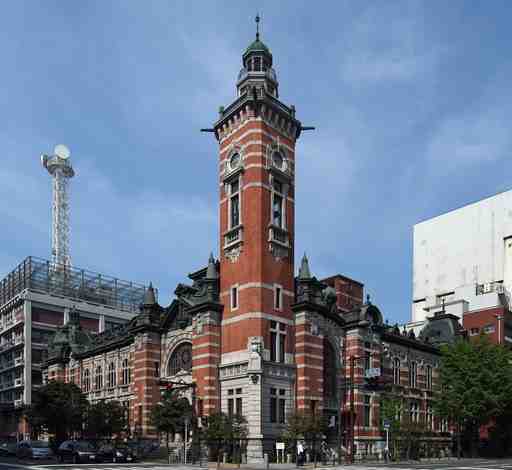
Yokohama Highlights Audio Tour: Coastal Wonders and Urban Charms
Yokohama is not just a port. It is a sprawling stage where imperial ambitions once collided with the chaos of rapid industrialization. Beneath the glossy modern skyline lie ghosts of desperate political battles and the quiet whispers of invention that changed the way the world eats. Unlock these secrets with a self guided audio tour. Wander beyond the typical tourist trails to uncover the scandals and forgotten rebellions hidden in plain sight. Why did the city once burn with the fires of radical political protest? What phantom presence still haunts the hallways of the grand Memorial Hall? Which bizarre laboratory failure led to the global phenomenon of instant noodles? Traverse the shifting landscape from historic red brick to cutting edge galleries. Feel the pulse of a city defined by constant transformation. See Yokohama for the first time. Start your journey here.
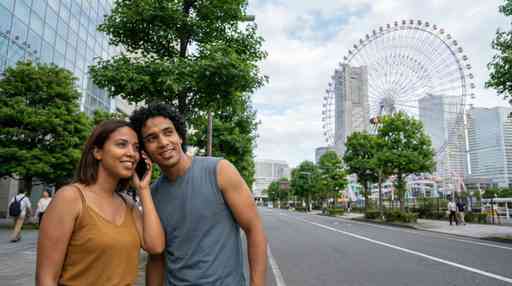
Yokohama Audio Tour: Culinary Delights, Broadcast Legends & Historical Gems Tour
On certain nights in Naka-ku, the glowing heights of Yokohama Marine Tower reflect secrets even locals never hear. Tucked between neon lights and bustling stadium crowds lies a trail of hidden histories just waiting to be uncovered. With this self-guided audio tour, step off the main path and listen as city corners reveal stories of sudden political showdowns and unexpected moments behind television screens. Discover how rebels clashed beneath the shadow of historic towers. Why did a baseball game at Yokohama Stadium nearly bring the city to a standstill? Who vanished from Television Kanagawa at the height of a broadcast scandal? Which forgotten radio signal was once believed to predict disaster? Move beyond the surface with every step. Each landmark whispers its own drama into the vibrant streets, leading you from lost broadcasts to lightning-lit towers and roaring crowds. Unlock the secret pulse of Yokohama. Your journey into the city's hidden side begins now.
Top landmarks
The Yokohama everyone knows.
The landmarks in every guidebook — and the tours that tell you what guidebooks don't.
A few words on Yokohama
The port where Japan first said: come in.
Yokohama was a fishing village in 1853, and then Japan ended its isolation and everything changed. When the harbor officially opened to foreign trade on June 2, 1859, the transformation began at a speed that never quite left the city. Within a decade Yokohama had Japan's first railway station (1872), first foreign-language newspaper (1861), first gas streetlights (1870s), and the largest Chinatown in Japan, established in the year the port opened. The city was largely destroyed in the Great Kanto earthquake of September 1923, which killed over 30,000 residents, and firebombed in 1945, and rebuilt both times faster than anyone expected.
The port area Minato Mirai 21, developed from the 1980s onward on former shipyard land, now hosts the Yokohama Landmark Tower (296 meters) rising from water that was tidal flat forty years earlier.
But the more interesting ground is older: the Yamate district, known as the Bluff, contains Victorian-era residences built by early foreign residents on a cliff above the harbor. The Sankei-en Garden, a private estate opened to the public in 1906, relocates historic buildings from Kyoto and Kamakura into a single garden setting in a way that sounds improbable and actually works.
Yokohama
Yokohama FAQ
Before you walk.
Spring (late March to May) for cherry blossoms and mild temperatures, and autumn (October to November) for clear skies and comfortable walking weather, are the best seasons. Summer is humid with temperatures regularly above 33 degrees Celsius. The harbor area is exposed, so an early start on summer days is advisable.
The harbor areas around Minato Mirai and Chinatown are flat and easy. The Yamate Bluff district requires a climb up from the waterfront but is worth it for the Victorian architecture and harbor views. The Sankei-en Garden has gentle paths within the grounds. Overall, Yokohama is accessible for most levels of mobility.
Yokohama is extremely safe. Japan generally has very low street crime, and walking with headphones presents no concern beyond normal traffic awareness. The Chinatown area can get very crowded on weekends and holidays, so be mindful of your surroundings in busy lanes.
Yokohama Chinatown's specialty is nikuman (steamed pork buns) eaten while walking. The ramen museum in Shin-Yokohama is a stop if you have time. Near the waterfront, the Yokohama Red Brick Warehouse complex has cafes and food stalls. For a proper sit-down meal, Chinatown's restaurants are excellent and often open from 11am.
Every Yokohama tour, in your language.
All 50+ languages, included with every booking.
🇬🇧 English🇫🇷 Français🇪🇸 Español🇩🇪 Deutsch🇮🇹 Italiano🇯🇵 日本語🇨🇳 中文🇰🇷 한국어+ 41 more
star AudaTours Unlimited
Visiting more than one city? Subscribe.
Unlock every Yokohama tour — plus thousands more worldwide. Cancel any time.
$4.99/week · Cancel anytime

More in Japan
Explore Japan arrow_forwardOther cities to walk in Japan.


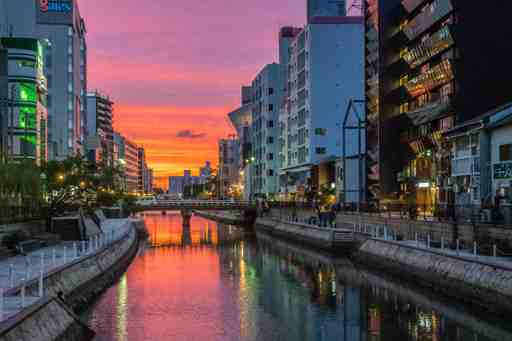
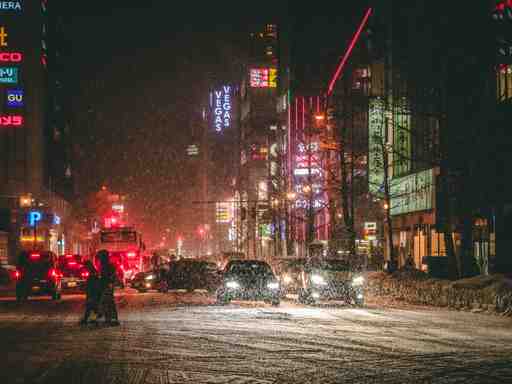
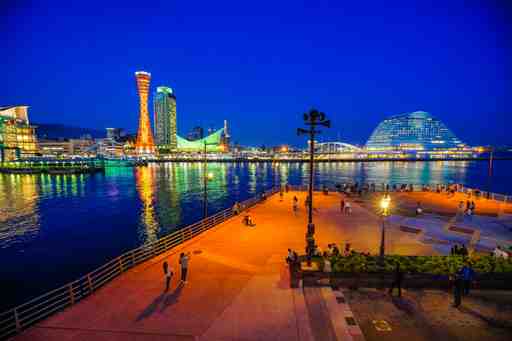
Loved by travellersThousands of tours started.
Thousands of tours started.
Plenty of opinions.
4.8 across the App Store and Google Play. Here's a few we keep coming back to.
starstarstarstarstar
This tour was such a great way to see the city. The stories were interesting without feeling too scripted, and I loved being able to explore at my own pace.

Jess
Tbilisi Tourstarstarstarstarstar
This was a solid way to get to know Brighton without feeling like a tourist. The narration had depth and context, but didn't overdo it.

Christoph
Brighton Tourstarstarstarstarstar
Started this tour with a croissant in one hand and zero expectations. The app just vibes with you, no pressure, just you, your headphones, and some cool stories.

John
Marseille Tourdownload Get the app Pop your headphones in.


Pop your headphones in.
Step outside.
Free to download. Tours in every city. Start in 60 seconds — no account, no card.

headphones
~ 4 min until your first tour starts
public
1,000+ cities worldwide
all_inclusive
AudaTours
Unlimited
Every tour. Every city. One subscription.
3097 tours2273 cities138 countries50+ languages
$39 /year
all_inclusive Explore Unlimited