
50+ languages

 Oslo · Norway
 Oslo Audio Tours
Discover Oslo with self-guided audio walking tours
headphones
4 tours
pin_drop
20 landmarks
translate
Oslo tours
Pick a Oslo worth walking.
Self-guided audio tours written by people who actually live there.
4 tours
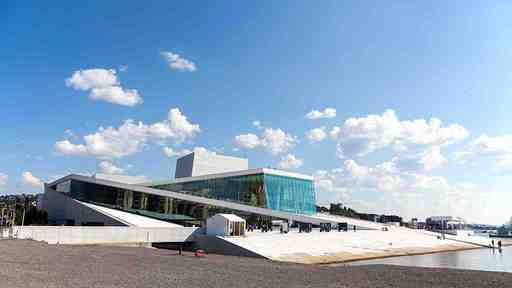
Oslo Audio Tour: Historic City Heart
A gilded lion guards Oslo’s power, but the city’s real teeth are in the stories that never make the postcards. This self guided audio tour threads from The Storting Building to Oslo Cathedral, then down to Akershus Castle and Fortress, with a few sharp turns in between. Hear the political battles, rebellions, scandals, and forgotten moments that slip past hurried footsteps. What happens when decisions in the Storting ignite a nation and the streets outside cannot be calmed in time. Which quiet corner of Oslo Cathedral has watched secrets passed, vows broken, and names erased. Why do some stones at Akershus feel warmer than others, even on a cold day at 03:17. Walk, listen, and feel the city tighten and release around each landmark. Every turn adds tension, every doorway hints at another layer, until Oslo looks newly awake. Press play and follow the lion into the deeper city.
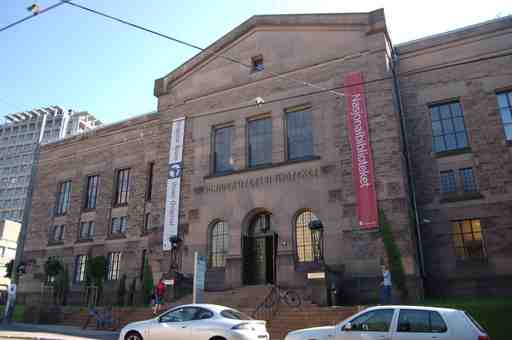
Oslo Audio Tour: Stories from Cathedrals, Courtrooms & Creative Hearts
Beneath Oslo’s sleek modern veneer lies a city shaped by intrigue, ambition, and faith—where masterpieces, scandals, and secret meetings echo in quiet corners. On this self-guided audio tour, step off the beaten path and unlock the city behind the museum glass. Discover stories lurking in courtyards and clues hidden in grand facades, waiting for curious eyes. Which Supreme Court decision sent shockwaves through Norway’s political scene? What unsolved mystery haunts the majestic Trefoldighetskirken? Who vanished among the halls of the National Museum, leaving behind only a rumor and a paint-stained coat? Each step carries you through upheavals and hushes, from rooms electric with rebellion to streets that witnessed the city’s quiet transformations. Feel Oslo’s vigor and vulnerability, revealed through hidden details and unforgettable tales. Are you ready to peel back the layers of Oslo’s history and see what secrets await beneath the surface? Start your adventure now.
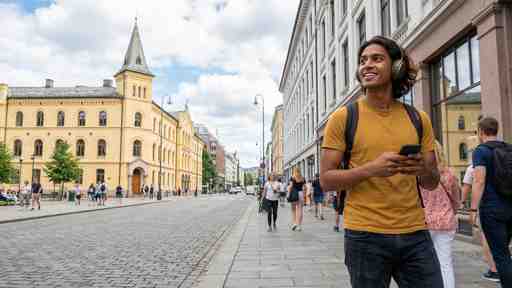
Oslo Audio Tour: Art, Power, and Legends Along Karl Johans Gate
A secret Nazi bunker sits beneath Oslo’s busiest square and echoes of a political rebellion ripple just beyond the Parliament’s stately walls. Oslo’s smooth façades hide the scars of scandals, ambition, and daring art revolutions. This self-guided audio tour transforms the city’s familiar streets into a thrilling story. Hear the whispers behind landmarks you know, and find surprises most visitors miss. Which heated debate inside the Storting changed Norway’s future overnight? What mysterious artifact once vanished from Oslo City Hall—a case shrouded in silence? Why did a modern art sculpture spark outrage when it appeared at the Astrup Fearnley Museum? Move from grandeur to gritty secrets as every step unlocks new drama and vivid memories of Oslo’s clash between tradition and rebellion. The city reveals itself in layers, leaving your curiosity charged. Press play and let Oslo’s hidden stories draw you in beneath the surface.

Oslo Audio Tour: Nobel District Secrets and Scandinavian Legends
In Oslo, glass towers rise beside ancient libraries—where chemical empires were forged in silence and boardrooms once sparked revolutions behind closed doors. Beneath these polished streets, secrets wait in the shadow of giants. This self-guided audio tour unlocks Oslo’s hidden pulse, revealing stories other travelers miss. Walk at your own pace between industry titans and cultural powerhouses, tuning in as forgotten voices and scandals surface. What drove a midnight standoff at Yara International that would ripple across continents? Why does a single mysterious book vanish without a trace each decade from the National Library of Norway? Who slipped a cryptic letter onto the desk of Aker ASA’s CEO, and what consequences followed for the city’s wealth? Move through Oslo like never before—overlooked corners become theaters of intrigue, boardroom doors swing open, and every street reveals a new perspective. Begin now and uncover the secrets hiding in plain sight.
Top landmarks
The Oslo everyone knows.
The landmarks in every guidebook — and the tours that tell you what guidebooks don't.
A few words on Oslo
Two-thirds forest, one-third city. Norway finds this arrangement normal.
Oslo was founded around 1049 by Harald Hardrada, burned and rebuilt multiple times, until in 1624 King Christian IV rebuilt the city closer to Akershus Fortress, which still stands on the harbor, heavy and medieval, exactly where Christian IV placed it. He named the new settlement Christiania after himself. It reverted to Oslo in 1925, reclaiming the Old Norse name meaning meadow at the foot of the hills. The hills are not metaphorical: two-thirds of Oslo's enormous municipal area is protected forest, hill, lake, and national park, and in 2017 the city became the first in the world to adopt a climate budget alongside its financial one.
The Oslofjord defines the city's character in the way rivers define other capitals.
Karl Johans gate, the main boulevard, runs from the Royal Palace through the center to the central station, past the National Theatre (1899) and the University of Oslo (founded 1811), and in summer fills with outdoor tables that overflow onto the surrounding streets until late evening. The waterfront has been transformed since the Oslo Opera House opened in 2008 on the harbor edge, its white marble roof designed to be walked across at any hour of the day or night, with fjord views from a surface that doubles as a public plaza. The Munch Museum followed in 2021 in a tilted tower on the same waterfront.
Oslo
Oslo FAQ
Before you walk.
Oslo's T-bane (subway), tram, and bus system is integrated and covers all main areas. The Ruter app handles ticketing. The harbor, Aker Brygge, the Opera House, and the city center are all within walking distance of each other. Frogner Park is 15 minutes by tram from the center. The ferry to Bygdoy peninsula (Museum Peninsula) runs in summer from the City Hall quay.
The city center and harbor are flat. Frogner Park is gently undulating. The hills above the city, including Holmenkollen, require a T-bane ride followed by some uphill walking but offer spectacular views over the fjord. Akershus Fortress involves a moderate uphill approach from the harbor. Good walking shoes are recommended throughout.
Oslo is one of the safest capital cities in Europe, with very low crime rates. Walking with headphones presents no concern anywhere in the city. The main caution is the cold in winter, when icy paths require careful footing. In summer, the harbor area and Karl Johans gate can be busy with tourists but are completely safe.
Oslo is among Europe's most expensive cities. A coffee costs around 50 to 60 Norwegian kroner (roughly 5 euros), and a simple lunch can be 180 to 250 kroner. The main Oslo tourist sights are free or inexpensive: Frogner Park costs nothing, the Opera House roof is free, and Akershus Fortress grounds are free. Museums like the Munch Museum charge around 200 kroner. Budget accordingly.
Every Oslo tour, in your language.
All 50+ languages, included with every booking.
🇬🇧 English🇫🇷 Français🇪🇸 Español🇩🇪 Deutsch🇮🇹 Italiano🇯🇵 日本語🇨🇳 中文🇰🇷 한국어+ 41 more
star AudaTours Unlimited
Visiting more than one city? Subscribe.
Unlock every Oslo tour — plus thousands more worldwide. Cancel any time.
$4.99/week · Cancel anytime



Loved by travellersThousands of tours started.
Thousands of tours started.
Plenty of opinions.
4.8 across the App Store and Google Play. Here's a few we keep coming back to.
starstarstarstarstar
This tour was such a great way to see the city. The stories were interesting without feeling too scripted, and I loved being able to explore at my own pace.

Jess
Tbilisi Tourstarstarstarstarstar
This was a solid way to get to know Brighton without feeling like a tourist. The narration had depth and context, but didn't overdo it.

Christoph
Brighton Tourstarstarstarstarstar
Started this tour with a croissant in one hand and zero expectations. The app just vibes with you, no pressure, just you, your headphones, and some cool stories.

John
Marseille Tourdownload Get the app Pop your headphones in.


Pop your headphones in.
Step outside.
Free to download. Tours in every city. Start in 60 seconds — no account, no card.

headphones
~ 4 min until your first tour starts
public
1,000+ cities worldwide
all_inclusive
AudaTours
Unlimited
Every tour. Every city. One subscription.
3097 tours2273 cities138 countries50+ languages
$39 /year
all_inclusive Explore Unlimited