
50+ languages

 Riga · Latvia
 Riga Audio Tours
Discover Riga with self-guided audio walking tours
headphones
3 tours
pin_drop
20 landmarks
translate
Riga tours
Pick a Riga worth walking.
Self-guided audio tours written by people who actually live there.

Riga Audio Tour: A Journey Through Latgales Chronicles
Behind the Art Deco walls of Riga Central Market, a world of secret trades and wartime intrigue once thrived in plain sight. This self-guided audio tour peels back the city’s bright layers to reveal hidden tales among market stalls, quiet Red Barns, and Riga’s storied avenues. Discover how everyday corners conceal the scandals, uprisings, and legends most visitors never glimpse. Which leader vanished without a trace after a market night raid? Why did whispers of forbidden deals echo through the Red Barns during occupation years? Who stashed a golden violin behind barrels of sauerkraut? Trace every clue on foot as you wind through fragrant bazaars, cobbled alleys, and hidden warehouses. Move from high drama to quiet secrets—each step casting Riga in striking new light. Unlock Riga’s boldest mysteries. Press play and plunge into the stories that pulse beneath the market’s bustling heart.
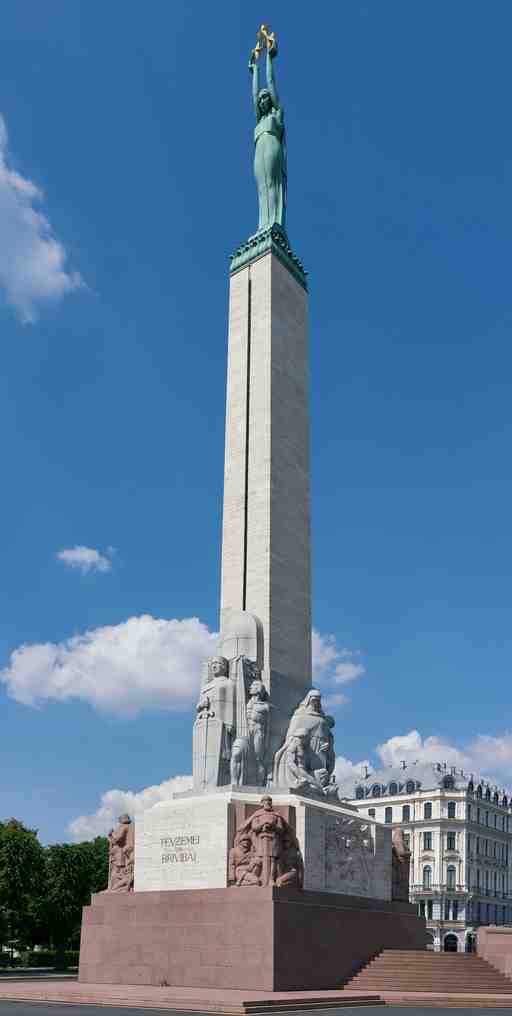
Riga Audio Tour: Legends, Guilds, and Timeless Stones
A bell once tolled across Riga and the city changed forever—its echoes still linger on the cobbled lanes where secrets hide in plain sight. Your self-guided audio tour plunges you into the city’s living history, revealing its hidden drama and the whispered tales woven through towering cathedrals and bustling squares. Every corner reveals another layer lost to most visitors. Who risked everything atop the spires of St. James' Cathedral on a bitter winter morning? What shadowy intrigue stalked the corridors behind the gilded doors of the Dome Cathedral? And why did a single rowdy celebration at Town Hall Square stir up a scandal that shattered alliances? Wander through Riga’s winding streets, where past and present collide, epic stories rise, and every step peels back the city’s grand façade. See Riga’s heart beat anew with each discovery. Begin your journey now—and let the city’s untold stories call to you again.
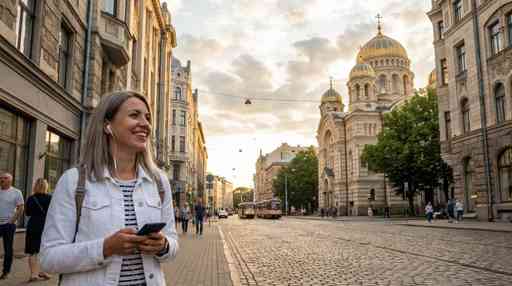
Riga Audio Tour: Echoes of Riga's Heartbeat
Above the bustling heart of Riga, the Freedom Monument watches as centuries of secrets unfold beneath its shadow. Hidden stories lurk in winding Old Town alleys and gold-domed churches where whispers of rebellion and revolution still linger. This self-guided audio tour pulls you off the beaten track, revealing the city’s past through tales most visitors never hear. Hear echoes of forgotten riots and intrigues etched into every cobblestone. What silent protest once threatened to shake Riga to its core? Why does the Cathedral of the Nativity of Christ shimmer with an imperial secret? Which time-worn gate holds a strange connection to a vanished crown? Move through Riga’s grandeur and grit. Step under ornate facades and looming monuments while discovering drama around every corner. Feel the pulse of independence, survival, and transformation as the real city comes alive around you. Unlock Riga’s true story now. Let curiosity lead you forward.
Top landmarks
The Riga everyone knows.
The landmarks in every guidebook — and the tours that tell you what guidebooks don't.
A few words on Riga
Art Nouveau capital of Europe. The Baltic makes a compelling case.
Riga was founded in 1201 by Bishop Albert, who relocated the Livonian bishopric here and set about building the trading city that joined the Hanseatic League by 1282. For five centuries Riga was the eastern anchor of a trade network connecting it to Lubeck, Hamburg, and Bruges, and the merchant wealth produced a city center that survived well enough to be designated a UNESCO World Heritage Site. The medieval Old Town, Vecriga, contains the House of the Blackheads (a guild hall for unmarried merchants, bombed in 1941 and rebuilt in the 1990s on its original footprint), Riga Cathedral begun in 1211 as the largest medieval church in the Baltic states, and lanes that change character with every turning.
What sets Riga apart architecturally is what happened between 1897 and 1913, when rapid industrialization funded a building boom in Art Nouveau that produced at least 800 surviving facades, more than anywhere else in Europe.
Alberta Street is the set piece, where architect Mikhail Eisenstein (father of filmmaker Sergei) covered facades in masks, goddesses, lions, and organic ornament so dense it requires standing still and looking up for several minutes to begin to absorb. The Latvian National Opera and the National Theatre anchor the performing arts scene, and the city hosted 900 cultural events as European Capital of Culture in 2014.
Riga
Riga FAQ
Before you walk.
Riga's Old Town and the Art Nouveau district are both very walkable and relatively flat. The Old Town is compact, covering just a few hundred meters across, and connects to the Art Nouveau streets via a pleasant 15-minute walk along the Pilsetas Canal. The Central Market is 10 minutes' walk from the Old Town. Public buses and trams cover the wider city.
Alberta Street (Alberta iela) is the showcase, with several uninterrupted blocks of Eisenstein's ornate facades. Elizabeth Street (Elizabetes iela) running nearby has more examples. The best approach is to walk north from the Old Town through the Quiet Centre neighborhood, and to look up more than you normally would. A morning visit gives the best light on the western-facing facades.
Riga is safe and tourist-friendly. Petty theft can occur around the Old Town and Central Station in busy periods, but the city is significantly safer than most Western European capitals. The only area requiring a little more awareness at night is around certain Old Town bars that cater to stag party groups, but this is a noise issue more than a safety one. Daytime walking is relaxed everywhere.
The Central Market (open daily from 7am) is the best place to eat like a local: smoked eel or herring, dark rye bread, and grey peas with smoked bacon (peleki zirni) are Latvian staples worth trying. Black balsam, a bitter herbal liqueur, is the local digestif and available everywhere. The Old Town has independent Latvian restaurants serving game stews and mushroom dishes that use the forests surrounding the city.
Every Riga tour, in your language.
All 50+ languages, included with every booking.
🇬🇧 English🇫🇷 Français🇪🇸 Español🇩🇪 Deutsch🇮🇹 Italiano🇯🇵 日本語🇨🇳 中文🇰🇷 한국어+ 41 more
star AudaTours Unlimited
Visiting more than one city? Subscribe.
Unlock every Riga tour — plus thousands more worldwide. Cancel any time.
$4.99/week · Cancel anytime

More in Latvia
Explore Latvia arrow_forwardOther cities to walk in Latvia.

Loved by travellersThousands of tours started.
Thousands of tours started.
Plenty of opinions.
4.8 across the App Store and Google Play. Here's a few we keep coming back to.
starstarstarstarstar
This tour was such a great way to see the city. The stories were interesting without feeling too scripted, and I loved being able to explore at my own pace.

Jess
Tbilisi Tourstarstarstarstarstar
This was a solid way to get to know Brighton without feeling like a tourist. The narration had depth and context, but didn't overdo it.

Christoph
Brighton Tourstarstarstarstarstar
Started this tour with a croissant in one hand and zero expectations. The app just vibes with you, no pressure, just you, your headphones, and some cool stories.

John
Marseille Tourdownload Get the app Pop your headphones in.


Pop your headphones in.
Step outside.
Free to download. Tours in every city. Start in 60 seconds — no account, no card.

headphones
~ 4 min until your first tour starts
public
1,000+ cities worldwide
all_inclusive
AudaTours
Unlimited
Every tour. Every city. One subscription.
3097 tours2273 cities138 countries50+ languages
$39 /year
all_inclusive Explore Unlimited