
50+ languages

 Ankara · Türkiye
 Ankara Audio Tours
Discover Ankara with self-guided audio walking tours
headphones
2 tours
pin_drop
20 landmarks
translate
Ankara tours
Pick a Ankara worth walking.
Self-guided audio tours written by people who actually live there.
2 tours
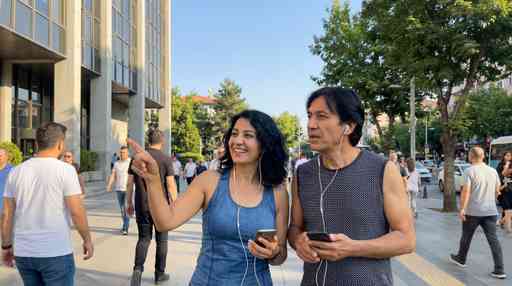
Ankara Highlights Audio Tour: Timeless Legacy
Ankara is not a dry capital of stone. It is a bruised titan where Hittite gold sleeps beneath the shadow of modern political ambition. You are walking through the visceral core of a civilization that never truly died. This self guided audio tour pulls you away from the guidebook crowd to reveal the scars and secrets embedded in the city walls. Navigate the ancient slopes of Ankara Castle and the silent pillars of the Arslanhane Mosque at your own pace. Which ancient rebellion was crushed in the silence of these citadel gates? What dark scandal led to the erasure of a king from the museum tablets? Why does a single wooden beam inside the mosque still vibrate with the echo of a forgotten vow? Traverse layers of blood, stone, and empire. Reshape your reality with every discovery. Put on your headphones and reclaim the city.
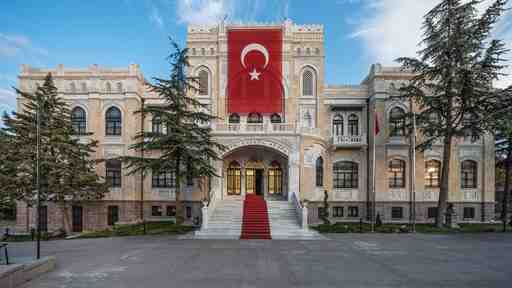
Altındağ Audio Tour: Melodies & Monuments of Ankara’s Timeless Heart
Cold stone lions glare from Ankara’s Victory Monument as secrets murmur beneath the city’s official heart. Finance towers and old parliament walls conceal rivalries, betrayals, and moments of national reckoning not found in textbooks. This is a self-guided audio tour winding through Altındağ, unlocking dramatic true stories and overlooked corners that most visitors miss. What mysterious code hid inside the Central Bank as new currency was born overnight? How close did the War of Independence Museum come to destruction during a midnight rebellion? Which scandal silenced a witness on the shadowed steps beyond official records? Walk in the footsteps of rebels and visionaries. Each site pulses with echoes of coups, hushed debates, and lost ambitions. Feel Ankara’s transformation with every step and see its monuments as living witnesses to choices that shaped a nation. Uncover the fierce history beneath Ankara’s surface. Begin your journey now.
Top landmarks
The Ankara everyone knows.
The landmarks in every guidebook — and the tours that tell you what guidebooks don't.
A few words on Ankara
Atatürk chose this hill. The rest of Turkey followed.
Ankara is a city with two histories so different they barely seem to belong to the same place. The ancient settlement on the rocky citadel hill above the Ankara River has been occupied continuously since the Bronze Age. The Galatians made it their capital in 278 BC, the Romans turned it into a significant provincial city with an estimated 200,000 inhabitants under Augustus, and he left his political testament, the Res Gestae Divi Augusti, inscribed in the walls of his temple here. Those walls survive, readable, in the Monumentum Ancyranum. Then in 1923, Mustafa Kemal Atatürk chose Ankara as the capital of the new Turkish Republic, and the city of 35,000 people began its transformation into a metropolitan area of nearly 6 million.
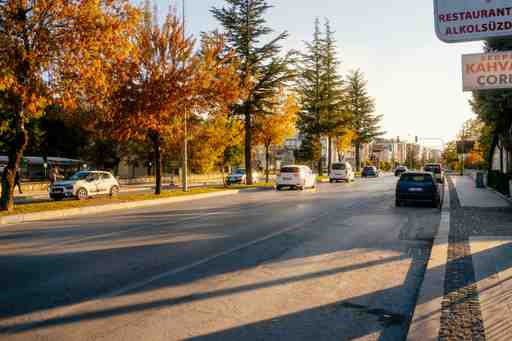
The contrast between these two Ankaras is walkable.
Ulus, the old district, clusters around the Ankara Castle on its basalt hill, with the Roman Column of Julian (4th century AD), Byzantine churches, Ottoman hans, and the Museum of Anatolian Civilizations housed in a 15th-century covered bazaar all within a short walk of each other. That museum holds Hittite and Phrygian artifacts including what are considered the oldest known musical instruments and the Alaca Hoyuk bronze sun discs from the 3rd millennium BC. Yenisehir, the modern section built from the 1920s onward, centers on Kizilay Square, with the broad avenues and government ministries that Atatürk's urban planners laid out on a grid designed for a capital city rather than a market town.
Ankara
Ankara FAQ
Before you walk.
Ankara has an expanding metro network. The M1 and M2 lines cover Kizilay (the city's main square), Kizilay to Ulus (the old town), and key government areas. The Ankara Kalesi (castle) and Ulus are in the same district, walkable from each other. Anıtkabir is in Cankaya, reached by metro and a short walk. Taxis and ride-hailing (BiTaksi) are available throughout.
It is one of Turkey's finest museums and absolutely worth visiting. The collection spans 10,000 years of Anatolian history, from Paleolithic tools through Hittite bronze work to Phrygian and Urartian artifacts, presented in a beautifully renovated 15th-century bedesten. Allow 2 to 3 hours. It opens at 8:30am and is in the Ulus district, making it a natural start to a tour of old Ankara.
Ankara is significantly hilly. The Ulus district around the castle involves steep streets and staircases, and the castle itself is reached via a serious uphill walk. Kizilay and Yenisehir are flat modern boulevards. Wear comfortable shoes with good grip for the old town. The views from the castle walls over the city justify the climb.
Ankara is known for beyran soup (lamb head broth), kokorec (offal grilled in intestine casing, served in bread), and the local meze culture. The old bazaar district around Ulus has traditional lokanta restaurants serving simple Turkish dishes at very low prices. Kalecik Karasi red wine, produced in the surrounding region, is available in wine bars around the Cankaya area.
Every Ankara tour, in your language.
All 50+ languages, included with every booking.
🇬🇧 English🇫🇷 Français🇪🇸 Español🇩🇪 Deutsch🇮🇹 Italiano🇯🇵 日本語🇨🇳 中文🇰🇷 한국어+ 41 more
star AudaTours Unlimited
Visiting more than one city? Subscribe.
Unlock every Ankara tour — plus thousands more worldwide. Cancel any time.
$4.99/week · Cancel anytime

More in Türkiye
Explore Türkiye arrow_forwardOther cities to walk in Türkiye.



Loved by travellersThousands of tours started.
Thousands of tours started.
Plenty of opinions.
4.8 across the App Store and Google Play. Here's a few we keep coming back to.
starstarstarstarstar
This tour was such a great way to see the city. The stories were interesting without feeling too scripted, and I loved being able to explore at my own pace.

Jess
Tbilisi Tourstarstarstarstarstar
This was a solid way to get to know Brighton without feeling like a tourist. The narration had depth and context, but didn't overdo it.

Christoph
Brighton Tourstarstarstarstarstar
Started this tour with a croissant in one hand and zero expectations. The app just vibes with you, no pressure, just you, your headphones, and some cool stories.

John
Marseille Tourdownload Get the app Pop your headphones in.


Pop your headphones in.
Step outside.
Free to download. Tours in every city. Start in 60 seconds — no account, no card.

headphones
~ 4 min until your first tour starts
public
1,000+ cities worldwide
all_inclusive
AudaTours
Unlimited
Every tour. Every city. One subscription.
3097 tours2273 cities138 countries50+ languages
$39 /year
all_inclusive Explore Unlimited