
50+ languages

 Rome · Italy
 Rome Audio Tours
Discover Rome with self-guided audio walking tours
headphones
4 tours
pin_drop
20 landmarks
translate
Rome tours
Pick a Rome worth walking.
Self-guided audio tours written by people who actually live there.
4 tours
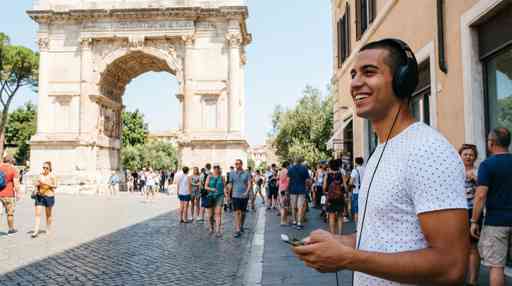
Rome Audio Tour: Ancient Imperial Hearts
Under Rome’s bright streets, older Rome still whispers. A stone mouth waits at Santa Maria in Cosmedin, and the Forum’s broken columns hide the footprints of power. This self guided audio tour leads across the Capitoline Museums, the Roman Forum, and nearby corners most visitors rush past. Listen as the city turns into a map of scandals, rebellions, political battles, and forgotten moments, all unfolding in your own time. Who was silenced when the Republic cracked and the Forum turned into a stage for blood and vows? What secret made the Bocca della Verita a symbol feared more than it was loved? Which overlooked statue on the Capitoline holds a strangely specific clue to a very public disgrace? Move from shadowed churches to sunlit ruins, from marble faces to echoing stones. Feel Rome shift from postcard to pulse. Press play and let the whispering mouth tell the first truth.

Rome Audio Tour: Echoes of Empires from Navona to Venezia
Sunlight punches through the Pantheon oculus like a spotlight on two thousand years of ambition, and the stones of Rome keep their secrets in plain sight. This self guided audio tour leads through twisting lanes and grand piazzas to the Pantheon, San Marco Evangelista al Campidoglio, Palazzo Madama, and more, revealing power plays and quiet corners most visitors rush past. What happened when politics turned violent within sight of Palazzo Madama, and Rome’s fate hinged on a single vote? Which hidden symbol inside San Marco Evangelista al Campidoglio still hints at a forgotten rivalry and a cover up? Why does the Pantheon’s perfect circle line up with one oddly specific day that once drew a crowd holding its breath? Move from echoing domes to guarded doorways, following scandals, rebellions, and mysteries like a trail of sparks across the city. Press play and follow the light back into Rome’s deepest shadows.
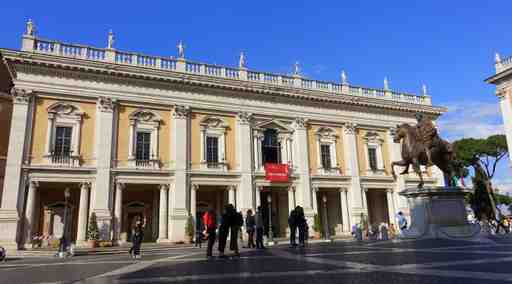
Rome Audio Tour: An Odyssey Through Rome's Historic Heart
Marble whispers echo through the heart of Rome where shadows of emperors and senators linger beneath ancient arches. This self-guided audio tour invites you to follow hidden paths from the grandeur of Palazzo Nuovo to the imposing Senatorial Palace and beyond. Hear stories left behind in cracked stone and forgotten corridors. Unlock secrets that most visitors never hear. What led to a violent power struggle right where you stand? Why did desperate conspirators gather beneath the Arch of Septimius Severus at midnight? Which priceless statue vanished without a trace from the Capitoline halls, leaving only rumors? Trace routes of revolt and glory across sunlit piazzas and silent alleyways. Each step reveals fierce ambition, faded scandals, lost treasures, and echoes of rebellion. Feel Rome alive beneath your feet and see its legacy as something urgent and new. Press play now and let the city’s ancient secrets unfold around you.
Rome Audio Tour: A Journey Through Ancient Landmarks
Beneath the Roman sun, marble arches tower over secret stories that shaped the fate of empires. This self-guided audio tour invites you to walk Rome’s legendary paths while unlocking hidden truths and dramatic moments often missed by hurried travelers. Why did a single battle lead to an arch so grand that its legacy stretches into Olympic history? What secret rituals once flickered beneath the Temple of Vesta’s sacred fire? Which family turned a triumphal arch into their medieval fortress, leaving ghostly marks behind? Move from the thundering applause of imperial parades to whispered vows kept for centuries within ancient stones. Relive scandals, rebellions, and mysteries as each step pulls you deeper into Rome’s beating heart—past victories and silent shadows, all alive beneath your feet. Ready to stand where history blazes and uncover what most will never see? The arches and flames of Rome await—begin your journey now.
Top landmarks
The Rome everyone knows.
The landmarks in every guidebook — and the tours that tell you what guidebooks don't.
A few words on Rome
Still dressing the part after three thousand years.
Rome was traditionally founded in 753 BC, though archaeologists suggest the site on the Tiber River was settled gradually before that. What followed is the longest unbroken record of political and cultural weight any city holds. The Roman Republic gave way to the Empire, the Empire fractured, the popes filled the vacuum, the Renaissance popes commissioned Michelangelo and Bramante, and then in 1871 the new Italian state made Rome its capital. Every era left something standing, which is why walking three blocks in any direction involves passing a 2nd-century temple, a Baroque piazza, and a rationalist post office from the 1930s without any of them feeling out of place.
The density of this accumulation is what defines the experience.
The Pantheon has been in continuous use since 125 AD. The Trevi Fountain was completed in 1762 on the terminus of an ancient aqueduct that still carries water. The Campo de' Fiori hosts a morning market that has occupied the same ground since the Middle Ages, in the same spot where Giordano Bruno was burned for heresy in 1600. The Borghese Gallery in Villa Borghese holds what many consider the finest collection of Bernini sculptures in the world, and enforces a strict two-hour time limit that Rome, unusually, actually enforces.
Rome
Rome FAQ
Before you walk.
April to early June and September to October offer the best conditions: warm without the brutal August heat and before winter rain. July and August are intensely hot (regularly above 35 degrees Celsius) and very crowded. However, August also sees Romans leave the city, so some neighborhoods become quieter. Go early in the day to beat the heat and the tour groups.
Comfortable, flat-soled shoes are essential. Rome's basalt cobblestones (sampietrini) are beautiful but uneven and hard on heels. Shoulders and knees should be covered for entering churches and the Vatican, so light layers work well. A small water bottle is wise; the city has numerous free drinking fountains called nasoni scattered throughout.
Rome is generally safe for walking, but pickpocketing is among the most significant concerns for tourists, particularly on buses and around the main sights. Hold your bag in front of you and keep your phone in a closed pocket when not in use. The Termini train station area requires more vigilance than the historic center. Evening walks in Trastevere are relaxed and pleasant.
Yes, and you should build time in. A mid-morning espresso standing at a bar counter is practically mandatory. For food, avoid any place with pictures on the menu near a major monument. Walk one or two blocks into residential streets for trattorias that serve lunch from noon to 2:30pm. Roman artichokes (carciofi alla giudia), carbonara, and supplì rice balls are the things to look for.
Every Rome tour, in your language.
All 50+ languages, included with every booking.
🇬🇧 English🇫🇷 Français🇪🇸 Español🇩🇪 Deutsch🇮🇹 Italiano🇯🇵 日本語🇨🇳 中文🇰🇷 한국어+ 41 more
star AudaTours Unlimited
Visiting more than one city? Subscribe.
Unlock every Rome tour — plus thousands more worldwide. Cancel any time.
$4.99/week · Cancel anytime

More in Italy
Explore Italy arrow_forwardOther cities to walk in Italy.
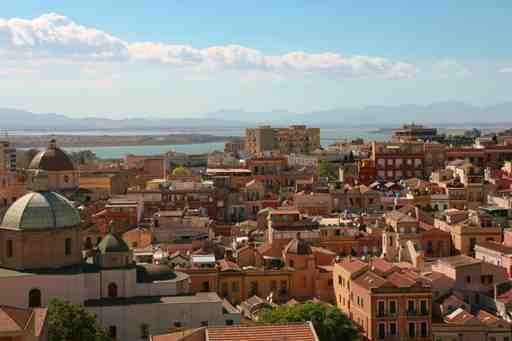

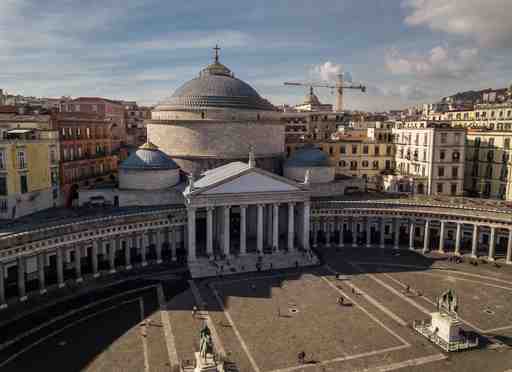

Loved by travellersThousands of tours started.
Thousands of tours started.
Plenty of opinions.
4.8 across the App Store and Google Play. Here's a few we keep coming back to.
starstarstarstarstar
This tour was such a great way to see the city. The stories were interesting without feeling too scripted, and I loved being able to explore at my own pace.

Jess
Tbilisi Tourstarstarstarstarstar
This was a solid way to get to know Brighton without feeling like a tourist. The narration had depth and context, but didn't overdo it.

Christoph
Brighton Tourstarstarstarstarstar
Started this tour with a croissant in one hand and zero expectations. The app just vibes with you, no pressure, just you, your headphones, and some cool stories.

John
Marseille Tourdownload Get the app Pop your headphones in.


Pop your headphones in.
Step outside.
Free to download. Tours in every city. Start in 60 seconds — no account, no card.

headphones
~ 4 min until your first tour starts
public
1,000+ cities worldwide
all_inclusive
AudaTours
Unlimited
Every tour. Every city. One subscription.
3097 tours2273 cities138 countries50+ languages
$39 /year
all_inclusive Explore Unlimited