
50+ languages

 Potsdam · Germany
 Potsdam Audio Tours
Discover Potsdam with self-guided audio walking tours
headphones
3 tours
pin_drop
20 landmarks
translate
Potsdam tours
Pick a Potsdam worth walking.
Self-guided audio tours written by people who actually live there.
3 tours
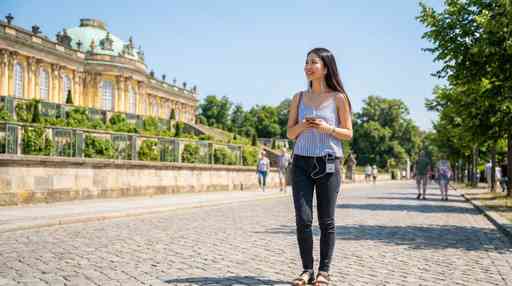
Potsdam Highlights Audio Tour: Royal Legacy and Prussian Heritage
Behind the gilded facade of Sanssouci lies a Prussian empire built on broken promises, secret treaties, and the haunting echoes of royal vanity. You are standing in the shadow of giants where power was bartered in ballrooms and blood was spilled in the name of absolute rule. This self-guided audio tour uncovers the gritty, unfiltered history of Potsdam. Navigate beyond the tourist trail to find the buried scandals and forgotten rebellions that shaped the modern world. Did a desperate king really beg for his life inside the Historic Mill? What dark, forbidden pact was sealed within the silent, marble walls of the Peace Church? And why did a single stolen letter threaten to dismantle an entire dynasty overnight? Walk through the pulse of history as the past breathes against your skin. See the city transform from a royal playground into a theater of intrigue. Start your journey into the shadows now.
Potsdam Audio Tour: Palaces, Gardens & Legends of Brandenburger Vorstadt
A king once dreamed of peace so vivid he built a sanctuary in its honor beside ancient mills and secret chambers, all hidden within the leafy heart of Potsdam. This is your self-guided audio tour, designed to peel back layers of Brandenburger Vorstadt and reveal stories stitched into its stones. Wander from landmark to landmark, guided by voices from the past, and find corners most travelers rush past. Why did a single midnight noise almost change the fate of Sanssouci forever? What whispered rebellion brewed behind the New Chambers’ elegant facade? Who left a forbidden carving in the shadow of the Church of Peace, and why has it never been removed? Stride along palace walls, through gardens humming with history and under milling shadows. Trace the lines of intrigue and vision that shaped this city, and watch the familiar turn strange, mysterious, and alive. Uncover what lies behind Potsdam’s peaceful mask—press play to begin.
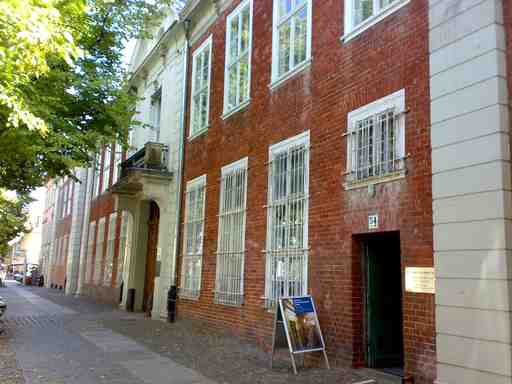
Potsdam Audio Tour: Echoes and Enigmas of the Northern Old Town
In the heart of Potsdam, soaring columns and shattered spires whisper secrets of power, loss, and ambition along every street. Wander with this self-guided audio tour and unlock layers of history hidden behind imposing domes and reconstructed facades, exploring the city’s battles, mysteries, and forgotten moments that even locals have never heard. Which shadowy alliance at the Brandenburg State Parliament nearly altered the fate of a kingdom overnight? Why did the thunderous bells of St. Nikolai halt a revolution before it began? What unfinished business lingers in the echoing halls of the Garrison Church, long after the final congregation departed? Move through corridors of intrigue, under vibrant mosaics and past ghostly ruins, tracing footsteps of revolutionaries and rulers alike. Discover Potsdam’s living history as it cracks through the pavement, urgent and alive beneath your feet. Hit play and let the city reveal what its stones have guarded for centuries.
Top landmarks
The Potsdam everyone knows.
The landmarks in every guidebook — and the tours that tell you what guidebooks don't.
A few words on Potsdam
Where Prussian kings played at paradise.
Frederick the Great named his summer palace Sanssouci, meaning without cares, and had it built on a terraced vineyard hill between 1745 and 1747 in a deliberately intimate Rococo style. He meant it as a place to escape court ceremony, and it worked: he spent more time there than anywhere else, retreating to philosophise with Voltaire and play the flute. The palace and its sprawling gardens, now a UNESCO World Heritage site, are what most visitors come to see. They are extraordinary, and they are only part of the story.
Potsdam has roughly twenty lakes within the city boundaries, and only a quarter of the city is built up.
The rest is forest, water and parkland in a landscape shaped by glacial moraines and the River Havel. The Dutch Quarter, commissioned by Frederick William I in the 1730s, is a pocket of 150 red-brick gabled houses transplanted from the Netherlands to house craftsmen the king wanted to attract. Studio Babelsberg, established in 1912 and the oldest large-scale film studio in the world, produced Metropolis and The Blue Angel and is still operating today.
Potsdam
Potsdam FAQ
Before you walk.
Late spring and early summer, from May to early July, are ideal when the terraced vineyards and garden beds are in bloom. The park is very large and best explored on a dry day as the paths become muddy after rain. Autumn is also beautiful, particularly around the Charlottenhof area where the trees line the avenues.
The main Sanssouci park is about three kilometres from end to end, and walking it with stops at the major palaces takes a half day comfortably. The broader Park Babelsberg and Neuer Garten areas add another half day. Comfortable flat shoes are essential as the paths are gravel and extensive.
Yes, but you will need to prioritise. Sanssouci and the main palace gardens, the Dutch Quarter and the old town centre are the core of a one-day visit. The Cecilienhof and its Potsdam Conference setting is well worth adding if you have an interest in 20th-century history.
The historic town centre and many of the palace interiors are accessible. However, the Sanssouci palace itself sits at the top of the terraced vineyard, which requires climbing a series of wide steps. The park paths are gravel and can be uneven. The Dutch Quarter streets are cobbled, which can make wheeled access difficult.
Every Potsdam tour, in your language.
All 50+ languages, included with every booking.
🇬🇧 English🇫🇷 Français🇪🇸 Español🇩🇪 Deutsch🇮🇹 Italiano🇯🇵 日本語🇨🇳 中文🇰🇷 한국어+ 41 more
star AudaTours Unlimited
Visiting more than one city? Subscribe.
Unlock every Potsdam tour — plus thousands more worldwide. Cancel any time.
$4.99/week · Cancel anytime


Loved by travellersThousands of tours started.
Thousands of tours started.
Plenty of opinions.
4.8 across the App Store and Google Play. Here's a few we keep coming back to.
starstarstarstarstar
This tour was such a great way to see the city. The stories were interesting without feeling too scripted, and I loved being able to explore at my own pace.

Jess
Tbilisi Tourstarstarstarstarstar
This was a solid way to get to know Brighton without feeling like a tourist. The narration had depth and context, but didn't overdo it.

Christoph
Brighton Tourstarstarstarstarstar
Started this tour with a croissant in one hand and zero expectations. The app just vibes with you, no pressure, just you, your headphones, and some cool stories.

John
Marseille Tourdownload Get the app Pop your headphones in.


Pop your headphones in.
Step outside.
Free to download. Tours in every city. Start in 60 seconds — no account, no card.

headphones
~ 4 min until your first tour starts
public
1,000+ cities worldwide
all_inclusive
AudaTours
Unlimited
Every tour. Every city. One subscription.
3097 tours2273 cities138 countries50+ languages
$39 /year
all_inclusive Explore Unlimited