
50+ languages

 Budapest · Hungary
 Budapest Audio Tours
Discover Budapest with self-guided audio walking tours
headphones
4 tours
pin_drop
20 landmarks
translate
Budapest tours
Pick a Budapest worth walking.
Self-guided audio tours written by people who actually live there.
4 tours
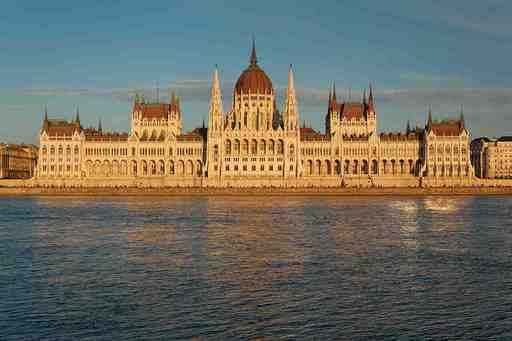
Budapest Audio Tour: Iconic Landmarks
At dusk, the Parliament Building burns like a jeweled ship on the Danube, while a line of iron shoes waits in silence nearby. Budapest looks postcard perfect, then the river starts talking. This self guided audio tour threads through the city from the grand dome to the Shoes on the Banks of the Danube and across the Széchenyi Chain Bridge, unlocking stories and corners most visitors stride past. What happened when political battles and rebellions turned the riverfront into a frontline overnight? Which whisper fed a mystery that still clings to the Chain Bridge after dark? Why do certain shoe sizes at the memorial feel almost too deliberate, down to the placement and the angle? Move from glittering façades to raw memorials, from scandalous secrets to forgotten moments, hearing Budapest shift with every step and reflection. Press play and follow the lights back to that burning Parliament.
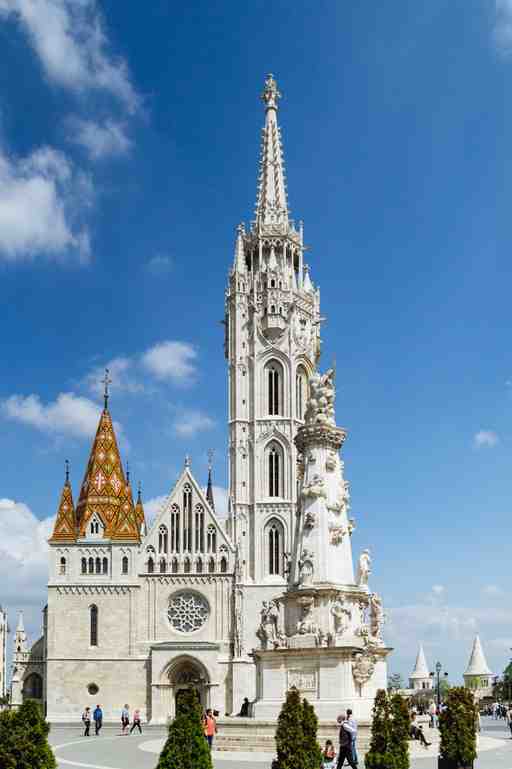
Budapest Audio Tour: Legends and Labyrinths of Castle Hill
Beneath the pristine stone of the Fisherman’s Bastion lie tunnels stained by centuries of political betrayals and desperate last stands. Budapest is not just a capital of architecture but a vault of secrets waiting to be unlatched. Unlock these narratives through a self-guided audio tour that bypasses the tourist crowds to reveal the dark heart of the city. Navigate the streets at your own pace while uncovering the scandals that shaped the Hungarian soul. Why did the archives hide evidence of a failed rebellion for nearly a century? What restless spirit is said to pace the heights of Matthias Church at midnight? How did a single misplaced document lead to the downfall of an entire ruling dynasty? Traverse the cobblestones as history breathes against your neck. Transform a simple walk into a profound descent into drama and forgotten brilliance. Press play and step into the shadows of the past.
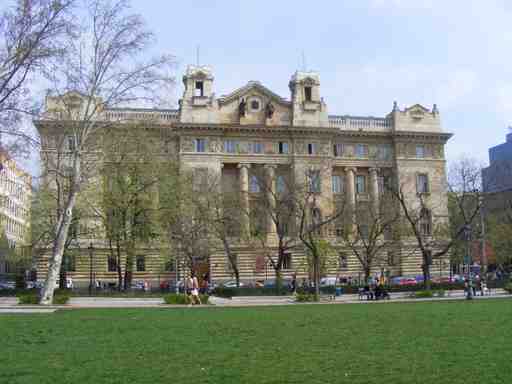
Budapest Audio Tour: The Lipótváros Audio Odyssey
Beneath Budapest’s elegant boulevards, secrets pulse with the rhythm of rumbling trains and centuries-old bells. This self-guided audio tour promises the thrill of discovery as you peel back layers of history hidden beneath everyday footsteps, venturing far beyond guidebook headlines into the city’s best-kept stories. Who rescued a sacred relic from chaos as floodwaters raged outside St. Stephen’s Basilica? What silent artifacts slumber beneath Deák Ferenc Square in the shadowy world of the Underground Railway Museum? And just how did a collapsed dome nearly change Budapest’s skyline forever? Step through echoes of rebellion, marvel at royal scandals, and trace forgotten paths etched into baroque marble and subterranean tile. From secret tunnels to soaring domes, each step whisks you through dramatic turns and moments that shaped a metropolis. Budapest is alive with intrigue—start the adventure and see what others miss, right under your feet.

Budapest Audio Tour: Belváros Landmarks Exploration
Beneath Budapest’s refined facades and riverside avenues hides a centuries-old web of rebellion, ambition, and intellect pulsing through the heart of Taban. This self-guided audio tour slips you into secret chapters most travelers miss—where legendary professors clashed with emperors, revolutionaries hoarded forbidden books, and ink-stained publishers risked everything to keep culture alive. What sparked academic rivalries so fierce they changed the official language overnight? Why did priceless manuscripts vanish during war and resurface decades later? Who tried to sneak subversive pamphlets out disguised as religious texts? Move from grand lecture halls to hidden library vaults and storybook headquarters. Each step crackles with intrigue—from noble scandals at Eötvös Loránd University to daring publishing plots at St. Stephen’s Company. These streets witnessed riots, breakthroughs, and wild schemes. See Budapest anew: bold, turbulent, unforgettable. Press play—and let Taban’s dramatic secrets pull you deeper into the city’s soul.
Top landmarks
The Budapest everyone knows.
The landmarks in every guidebook — and the tours that tell you what guidebooks don't.
A few words on Budapest
Thermal springs, ruin bars, and 150 years of Ottoman baths.
Budapest was three cities before it was one. Buda, on the hilly west bank of the Danube, and Pest, on the flat east bank, merged with the ancient settlement of Obuda in 1873 to form a capital that immediately set about building at imperial scale. The Hungarian Parliament Building was completed in 1904 as the third-largest parliament in the world. Andrassy Avenue, a UNESCO World Heritage Site, runs from the center to Heroes' Square, and beneath it runs the M1 line, Europe's first underground railway, opened in 1896 and still operating on the original tracks with period carriages.
What makes Budapest physically unusual is its geology.
The Buda hills sit on 125 thermal springs producing 70 million liters of geothermal water daily, some reaching 58 degrees Celsius. The Ottomans, who occupied the city for 150 years from 1541, built bathhouses over these springs that still operate: Rudas Baths and Kiraly Baths have been running since the 16th century. Romans established Aquincum on the same geology in the first century AD. The baths are not a tourist attraction grafted onto the city; they are genuinely how people spend Sunday mornings here.
Budapest
Budapest FAQ
Before you walk.
The Pest side is flat and very walkable, with the main sights from the Parliament to the Great Market Hall to the Jewish Quarter all within 30 minutes on foot. Buda requires climbing to Castle Hill, which can be done by funicular from the Chain Bridge or by a moderately steep walk. The hill is worth the effort for the castle complex and Fisherman's Bastion views.
Budapest's public transport is excellent. The M1 underground on Andrassy Avenue is small and historic. The M2 crosses the Danube and connects Buda and Pest. Trams run along the Danube embankment on both sides. A Budapest Card covers unlimited transport plus museum entry. The Chain Bridge is the most scenic way to cross on foot.
Yes, and it warrants planning around. The Szechenyi Baths in City Park (outdoor and indoor pools, good for beginners) and Rudas Baths (16th-century Ottoman interior, rooftop hot pool with views) are both exceptional. Book online to avoid queues. Bring a swimsuit and a towel, or rent them there. Morning visits before 11am are less crowded.
Budapest is safe and well-maintained for walking. Pickpocketing around the main tourist areas, particularly on the M1 underground and around the Parliament, is worth being aware of. The Jewish Quarter's bar district is lively but generally safe. Carry your bag in front and keep your phone secured when consulting it near crowds.
Every Budapest tour, in your language.
All 50+ languages, included with every booking.
🇬🇧 English🇫🇷 Français🇪🇸 Español🇩🇪 Deutsch🇮🇹 Italiano🇯🇵 日本語🇨🇳 中文🇰🇷 한국어+ 41 more
star AudaTours Unlimited
Visiting more than one city? Subscribe.
Unlock every Budapest tour — plus thousands more worldwide. Cancel any time.
$4.99/week · Cancel anytime

More in Hungary
Explore Hungary arrow_forwardOther cities to walk in Hungary.



Loved by travellersThousands of tours started.
Thousands of tours started.
Plenty of opinions.
4.8 across the App Store and Google Play. Here's a few we keep coming back to.
starstarstarstarstar
This tour was such a great way to see the city. The stories were interesting without feeling too scripted, and I loved being able to explore at my own pace.

Jess
Tbilisi Tourstarstarstarstarstar
This was a solid way to get to know Brighton without feeling like a tourist. The narration had depth and context, but didn't overdo it.

Christoph
Brighton Tourstarstarstarstarstar
Started this tour with a croissant in one hand and zero expectations. The app just vibes with you, no pressure, just you, your headphones, and some cool stories.

John
Marseille Tourdownload Get the app Pop your headphones in.


Pop your headphones in.
Step outside.
Free to download. Tours in every city. Start in 60 seconds — no account, no card.

headphones
~ 4 min until your first tour starts
public
1,000+ cities worldwide
all_inclusive
AudaTours
Unlimited
Every tour. Every city. One subscription.
3097 tours2273 cities138 countries50+ languages
$39 /year
all_inclusive Explore Unlimited