
50+ languages

 Mannheim · Germany
 Mannheim Audio Tours
Discover Mannheim with self-guided audio walking tours
headphones
4 tours
pin_drop
20 landmarks
translate
Mannheim tours
Pick a Mannheim worth walking.
Self-guided audio tours written by people who actually live there.
4 tours

Mannheim Highlights Audio Tour: Architectural Wonders and Historical Landmarks
Beneath the grid of Mannheim lies a battlefield of secrets where baroque grandeur masks centuries of political betrayal and ruin. Unlock these layers with a self-guided audio tour designed to bypass the surface. Traverse the city at your own pace while uncovering the hidden narratives that formal guidebooks consistently ignore. Did the Jesuit Church witness a prayer that changed the course of a bloody rebellion? What lingering ghost still haunts the steel span of the Konrad Adenauer Bridge? Why did a forgotten palace scandal force an entire royal court into sudden, permanent exile? Navigate the sharp angles of the city as the past surges into the present. Feel the friction between industrial grit and imperial splendor. Transform every street corner into a stage for drama and discovery. Open your ears and let the hidden city speak. Your walk through the ruins and the glory begins now.
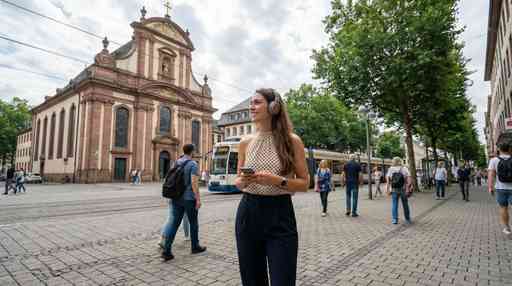
Mannheim Audio Tour: Celestial Courts and Sacred Stones of Innenstadt
A sky-piercing dome once echoed with whispered plots that could have altered Mannheim’s fate forever. Just blocks away, Baroque spires hide memories of forbidden ceremonies and revolutionary sermons that shook the quiet streets. This self-guided audio tour peels back the familiar to reveal stories layered into every stone and shadow. Discover cryptic legends, political intrigue, and moments of rebellion missed by most visitors. What secret object did revolutionaries conceal within the Jesuit Church’s labyrinthine corridors? Why did the bells of St. Sebastian ring out in defiance one stormy night? Which notorious figure practiced midnight rituals behind the imposing doors of Konkordienkirche? Move through a cityscape alive with conspiracies, miracles, and vanishing secrets. Let every step transform familiar squares and silent church pews into stages for drama and discovery. Uncover Mannheim’s hidden heart—press play and start your journey where history still breathes beneath the arches above.
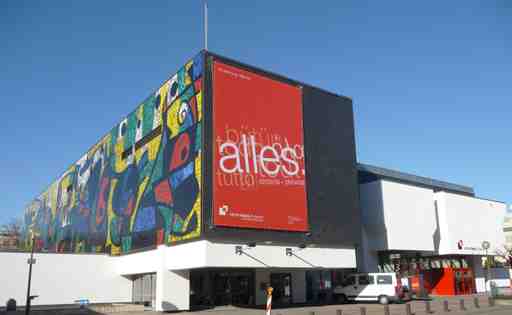
Ludwigshafen Audio Tour: From Rhine Legends to Urban Marvels
A colossal steel ski jump juts unexpectedly over Mannheim’s Rhine—proof that even the heart of Ludwigshafen hides leaps of imagination and bold ambition. Around each corner, stories pulse beneath quiet university halls and art museums that crackle with controversy. Set off on a self-guided audio tour that peels back layers of familiar streets to reveal the secrets most travelers overlook. Trace hidden rivalries and forgotten uprisings where art, science, and sport intersect in the city’s most unassuming corners. Why did the construction of the Rhine Ski Jump provoke bitter debate and decades of rumors? What vanished masterpiece still haunts the Wilhelm Hack Museum’s collection? Just how did one night at the university set off a chain of events that changed student activism forever? Move through Ludwigshafen with new eyes and sharper senses. Every step draws you deeper into the city’s electric blend of rebellion and revelation. The city’s hidden sides are waiting. Press play and jump in.
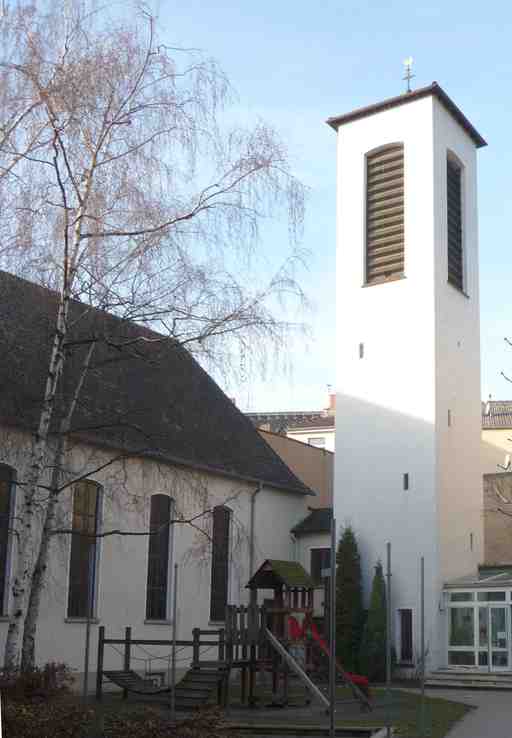
Mannheim Audio Tour: Bridges, Beats, and Hidden Gems of Innenstadt
A city once split by rivers and war conceals stories beneath its grand facades and quiet alleyways. Mannheim’s heart beats with the energy of revolution, reinvention, and unexpected unity. Venture through this self-guided audio tour to uncover hidden layers behind familiar sights. Unlock secrets embedded in glass walls, steeples, and minaret stones—stories that most visitors pass by unsung. What sparked a fierce political stand within the walls of MVV Energy? Who hid behind the Church of Our Lady as scandal swirled outside? And why did a single espresso cup at the Yavuz Sultan Selim Mosque spark whispers across the city? Wind through city squares and side streets where drama and devotion have collided for centuries. Let voices from Mannheim’s past guide your steps as you witness the old and new entwine in the city’s living pulse. Begin your journey now and see Mannheim’s veiled side revealed.
Top landmarks
The Mannheim everyone knows.
The landmarks in every guidebook — and the tours that tell you what guidebooks don't.
A few words on Mannheim
The city with no street names. Only squares.
Mannheim is the only city in Germany where the streets in the historic centre have no names. They are organised into a strict grid and identified by a combination of letters and numbers: you might meet someone at the corner of G7 and F6, and this is not an address but a place. The grid dates to 1606 when Frederick IV of the Palatinate built a fortress here, and the internal plan of the fort was simply retained when the streets opened to public use. The nickname Quadratestadt, the square city, is both accurate and affectionate.
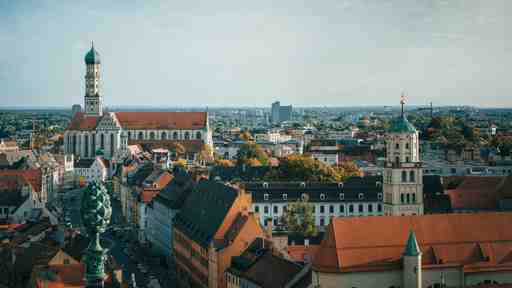
The Mannheim Palace, built between 1720 and 1760 when the Palatine electors moved their residence here, is the second largest Baroque palace complex in Europe after Versailles, extending for 445 metres along the Rhine side of the old city.
It now houses the University of Mannheim and is partly open to visitors. The Jesuitenkirche on Parade-Platz is the finest Baroque church in the city and one of the most impressive in southwest Germany. Much of the historic city was destroyed in World War II and rebuilt with post-war practicality, but the grid plan survived.
Mannheim
Mannheim FAQ
Before you walk.
The inner city is divided into 144 blocks, each identified by a letter (A-U) and a number. East-west streets run parallel to the Rhine. The Wasserturm (water tower) at the eastern end of the grid is the most useful landmark for orientation. Audio tour navigation uses these grid references rather than street names, which is initially disorienting but quickly becomes logical.
Mannheim Hauptbahnhof is a major ICE hub with fast connections to Frankfurt (35 minutes), Stuttgart (40 minutes), and Heidelberg (15 minutes). The station is at the eastern edge of the grid city and a short walk from the main square area. Heidelberg, 20km away, is usually treated as a separate destination given how different the two cities feel.
They are very different cities: Heidelberg is the romantic castle-on-a-hill destination that gets most visitors, while Mannheim is a working city with industrial heritage and a genuine local character. Both are reachable from each other in 15 minutes by S-Bahn, and combining them on a single day gives a genuine contrast between 17th-century planned Baroque urbanism and 19th-century romantic university town.
Mannheim's location in the Rhine-Neckar region puts it near the Pfalz wine country, one of Germany's most productive wine regions. Riesling and Dornfelder from the Pfalz are the wines to look for. The city has a significant Turkish and Italian immigrant community reflected in its restaurants. The area around the Marktplatz and the city's cafe culture is centred on the grid between F and G and around Paradeplatz.
Every Mannheim tour, in your language.
All 50+ languages, included with every booking.
🇬🇧 English🇫🇷 Français🇪🇸 Español🇩🇪 Deutsch🇮🇹 Italiano🇯🇵 日本語🇨🇳 中文🇰🇷 한국어+ 41 more
star AudaTours Unlimited
Visiting more than one city? Subscribe.
Unlock every Mannheim tour — plus thousands more worldwide. Cancel any time.
$4.99/week · Cancel anytime


Loved by travellersThousands of tours started.
Thousands of tours started.
Plenty of opinions.
4.8 across the App Store and Google Play. Here's a few we keep coming back to.
starstarstarstarstar
This tour was such a great way to see the city. The stories were interesting without feeling too scripted, and I loved being able to explore at my own pace.

Jess
Tbilisi Tourstarstarstarstarstar
This was a solid way to get to know Brighton without feeling like a tourist. The narration had depth and context, but didn't overdo it.

Christoph
Brighton Tourstarstarstarstarstar
Started this tour with a croissant in one hand and zero expectations. The app just vibes with you, no pressure, just you, your headphones, and some cool stories.

John
Marseille Tourdownload Get the app Pop your headphones in.


Pop your headphones in.
Step outside.
Free to download. Tours in every city. Start in 60 seconds — no account, no card.

headphones
~ 4 min until your first tour starts
public
1,000+ cities worldwide
all_inclusive
AudaTours
Unlimited
Every tour. Every city. One subscription.
3097 tours2273 cities138 countries50+ languages
$39 /year
all_inclusive Explore Unlimited