
50+ languages

 Kobe · Japan
 Kobe Audio Tours
Discover Kobe with self-guided audio walking tours
headphones
2 tours
pin_drop
20 landmarks
translate
Kobe tours
Pick a Kobe worth walking.
Self-guided audio tours written by people who actually live there.
2 tours
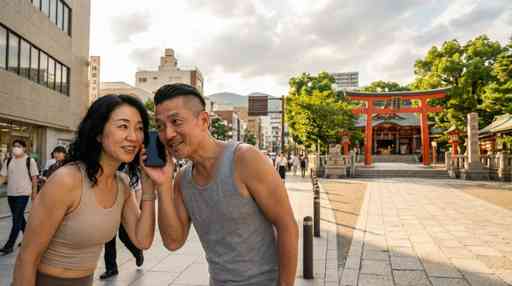
Kobe Audio Tour: Harbor Spirits and Historic Sights
Beneath Kobe’s neon lights and seaside calm lies a history charged with exiles, intrigue, and silent rebellion. This self-guided audio tour through Chuuou-ku unearths the stories that hide in plain sight, taking you from ornate mosques and ancient shrines to the heart of modern broadcast drama. Wander at your pace and let forgotten voices turn city corners into portals of discovery. Why did an international scandal once grip Ikuta Shrine? Which secret negotiations at Kobe Mosque sent ripples far beyond Japan’s shores? Who vanished without a trace after stepping inside NHK Kobe Broadcasting Station one rain-soaked night? Trace old footsteps across winding streets where politicians plotted revolutions and faith communities defied the odds. Experience Chuuou-ku as a living theater of hope, conflict, and reinvention. Ready to uncover what lurks behind Kobe’s polished surface? Press play and step straight into the city’s hidden depths.
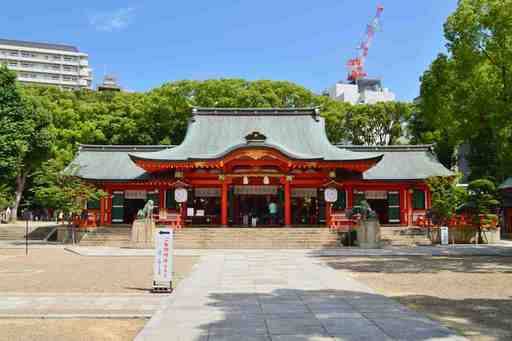
Kobe Highlights Audio Tour: From Harbor to Heritage
Kobe burns brighter than its neon skyline suggests. Beneath the polished glass of the waterfront and the manicured silence of Sōraku-en Garden lie the ashes of fallen empires and the echoes of forbidden trade. This self-guided audio tour peels back the layers of Chūō-ku. You navigate the streets to uncover the secret histories and scandalous betrayals that standard guidebooks bury. Why did a single night of fire transform this port into a battlefield for global power? What remains of the hidden relics sequestered within the walls of the Kobe City Museum? How did a forgotten rebellion once threaten to sink the city into the sea? Traverse the shifting landscape from the Maritime Museum to secluded historic gates. Feel the weight of past defiance under your boots. Your perspective on Kobe will shatter and reshape itself. Press play now and reclaim the fire hidden in the city.
Top landmarks
The Kobe everyone knows.
The landmarks in every guidebook — and the tours that tell you what guidebooks don't.
A few words on Kobe
The port where Japan met the world.
Kobe has always been a city in between. Wedged between Osaka Bay and the steep green slopes of Mount Rokkō, it never had much flat land to spare, so it built its identity vertically, commercially, and internationally. When Japan opened to foreign trade in 1868, Kobe became one of the first ports to receive the world, and the legacy of that opening remains in Kitano, where Western merchants built Victorian and German-style homes called ijinkan that still stand on the hillside today. The neighborhood reads like a postcard from a century ago, a mix of European architecture that earned Kobe the old saying: if you cannot go to Paris, go to Kobe.
The ward of Nada-ku produces 45 percent of all sake in Japan, drawing on the pure snowmelt water of the Rokkō Mountains, and the breweries that line the Hamakaze walk have been at it since the 17th century.
Kobe beef, the Tajima-strain wagyu that became shorthand for luxury dining worldwide, comes from cattle raised in the surrounding Hyogo Prefecture. The 1995 Great Hanshin earthquake killed more than 6,400 people and knocked the Port of Kobe from its position as one of the busiest in Asia, but the city rebuilt with characteristic discipline and pragmatism.
Kobe
Kobe FAQ
Before you walk.
Kobe is extremely well connected. From Osaka's Umeda station it is about 20-30 minutes by the Hankyu or Hanshin lines. From Kyoto, take the Shinkansen to Shin-Kobe or the Hankyu line from Kyoto-Kawaramachi station. The JR Kobe line also connects directly. Within Kobe, the loop bus is convenient for sightseeing.
The central Sannomiya and Kitano areas are compact and very walkable. The hillside ijinkan district requires some climbing, so wear comfortable shoes. The harbor district of Meriken Park and Harborland is flat and easy to navigate, and the old downtown shopping streets like Motomachi arcade are covered from rain.
It is best to download your tour content before you go. Kobe has reliable Wi-Fi at major train stations, shopping centers, and cafes, but coverage gaps exist in the hillside neighborhoods and along the waterfront. SIM cards with data are widely available at the airport and convenience stores.
Yes, and you should. The Kitano and Sannomiya neighborhoods have dozens of restaurants serving Kobe beef at a range of prices, from affordable lunch sets around 2,000 to 4,000 yen to full dinner courses well above that. Many restaurants have English menus and staff accustomed to overseas visitors.
Every Kobe tour, in your language.
All 50+ languages, included with every booking.
🇬🇧 English🇫🇷 Français🇪🇸 Español🇩🇪 Deutsch🇮🇹 Italiano🇯🇵 日本語🇨🇳 中文🇰🇷 한국어+ 41 more
star AudaTours Unlimited
Visiting more than one city? Subscribe.
Unlock every Kobe tour — plus thousands more worldwide. Cancel any time.
$4.99/week · Cancel anytime

More in Japan
Explore Japan arrow_forwardOther cities to walk in Japan.

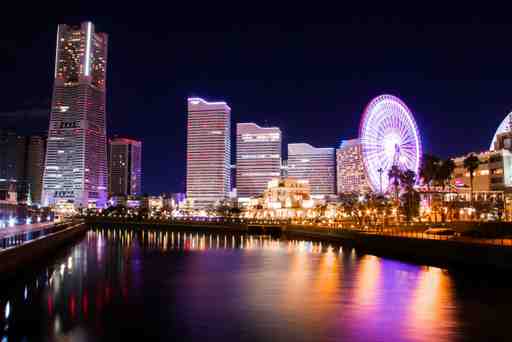

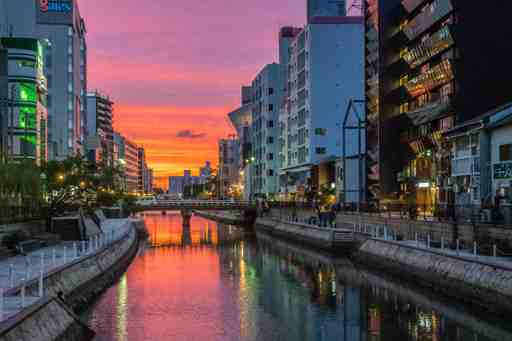
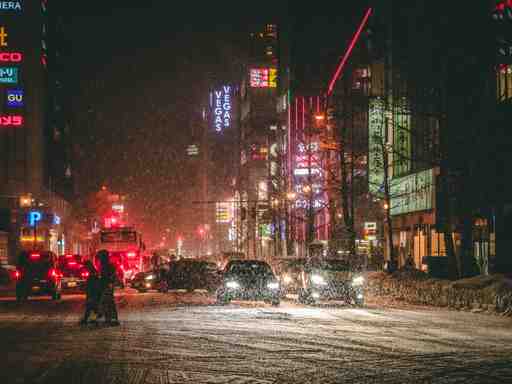
Loved by travellersThousands of tours started.
Thousands of tours started.
Plenty of opinions.
4.8 across the App Store and Google Play. Here's a few we keep coming back to.
starstarstarstarstar
This tour was such a great way to see the city. The stories were interesting without feeling too scripted, and I loved being able to explore at my own pace.

Jess
Tbilisi Tourstarstarstarstarstar
This was a solid way to get to know Brighton without feeling like a tourist. The narration had depth and context, but didn't overdo it.

Christoph
Brighton Tourstarstarstarstarstar
Started this tour with a croissant in one hand and zero expectations. The app just vibes with you, no pressure, just you, your headphones, and some cool stories.

John
Marseille Tourdownload Get the app Pop your headphones in.


Pop your headphones in.
Step outside.
Free to download. Tours in every city. Start in 60 seconds — no account, no card.

headphones
~ 4 min until your first tour starts
public
1,000+ cities worldwide
all_inclusive
AudaTours
Unlimited
Every tour. Every city. One subscription.
3097 tours2273 cities138 countries50+ languages
$39 /year
all_inclusive Explore Unlimited