
50+ languages

 Fukuoka · Japan
 Fukuoka Audio Tours
Discover Fukuoka with self-guided audio walking tours
headphones
2 tours
pin_drop
20 landmarks
translate
Fukuoka tours
Pick a Fukuoka worth walking.
Self-guided audio tours written by people who actually live there.
2 tours
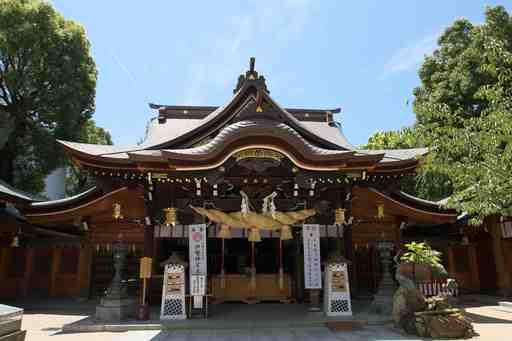
Fukuoka Highlights Audio Tour: The Cultural Heritage of Hakata
Beneath the modern neon of Fukuoka lies a layered battlefield of samurai rebellions, charred ruins, and political intrigue that most travelers unknowingly walk right over. Unlock the buried secrets of Hakata on this self guided audio tour. Navigate the ancient corridors of Kushida Shrine, Jōten-ji, and Tochoji Temple to uncover whispers of power and betrayal that forged this city. Why was a colossal wooden Buddha built in total secrecy to guard against impending ruin? What bloodstain remains hidden behind the serene facade of a temple courtyard? Which forgotten merchant lord gambled away the fate of an entire district in a single night of scandal? Stroll through shadows where history feels breathless and tactile. Shift your perspective as you traverse centuries of conflict and rebirth, transforming a simple walk into an immersive odyssey through time. Plug in your headphones and begin the hunt for the truth hidden in plain sight.
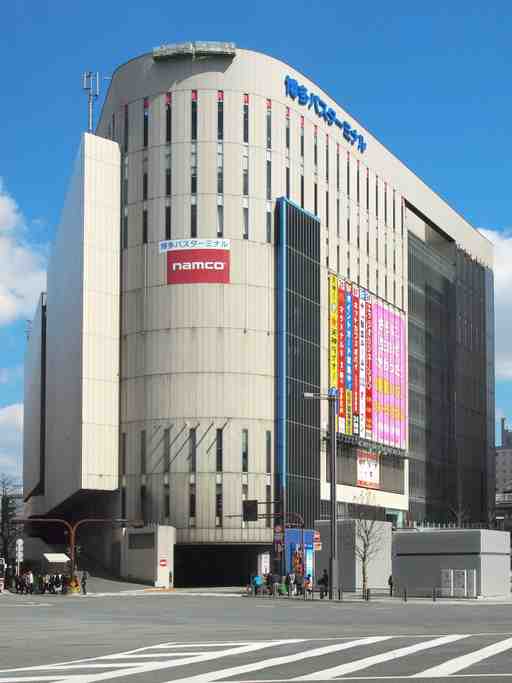
Fukuoka Audio Tour: Fukuoka's East Meets West Exploration
Steam once billowed across Hakata’s skyline, where ancient pathways now pulse with the energy of sleek trains and neon-lit secrets. Beneath Fukuoka’s modern face, a world of hidden intrigue waits to be uncovered. Unlock the real stories of Hakata-ku on this self-guided audio tour—move from the dynamic 九州旅客鉄道 station to the bustle of Hakata Bus Terminal, slip through quiet corners near Asahi Ryokuken, and uncover pockets most visitors rush past. What explosive showdown sparked chaos under these tracks? Which political rivalries brewed in smokey tea rooms just steps away? Why did a single bus departure send shockwaves through Fukuoka’s corridors of power? Wind through alleys and across crowded plazas where echoes of rebellion meet tales of resilience. Each stop peels back a new layer, turning familiar streets into a thrilling journey between eras. Begin your adventure and see how Hakata reveals its boldest secrets after the final train pulls away.
Top landmarks
The Fukuoka everyone knows.
The landmarks in every guidebook — and the tours that tell you what guidebooks don't.
A few words on Fukuoka
Japan's youngest major city, and its most easygoing.
Fukuoka formed in 1889 from the merger of two very different places: Hakata, a historic merchant port that had been trading with China and Korea for centuries, and Fukuoka, the samurai residential area on the other side of the Naka River. The tension between the two halves -- commercial and aristocratic, port and castle -- is still faintly readable in the city's geography. Hakata Station is the transport hub and commercial centre; Tenjin, across the river, is the department store and fashion district. The Fukuoka Castle ruins sit in Maizuru Park, mostly trees and surviving walls now, but the moat walks in spring, when the cherry blossoms are out, are genuinely beautiful.
The food culture here is specific and serious.
Hakata tonkotsu ramen -- a rich pork bone broth with thin, firm noodles -- is one of Japan's great regional dishes, and Fukuoka is where it was developed. The yatai, open-air food stalls that set up on the streets of Tenjin and Nakasu each evening, are a particular local institution: plastic-covered wooden stools, counter seating, ramen or yakitori or oden under a tarpaulin, eaten shoulder to shoulder with strangers. The Hakata Gion Yamakasa festival in July, where seven teams race massive decorated floats through the old merchant streets, has been running for over 700 years.
Fukuoka
Fukuoka FAQ
Before you walk.
The Fukuoka City Subway has three lines connecting the airport, Hakata Station, Tenjin and the western districts. A one-day pass is good value if you're moving between areas. Hakata Station and Tenjin are both walkable districts in themselves. Taxis are metered and honest.
Fukuoka is consistently ranked one of the safest cities in Japan and Japan as a whole has extremely low crime rates. Walking with headphones anywhere in the city, including at night, is completely comfortable. Standard street awareness is all that's needed.
The yatai stalls in Tenjin and Nakasu set up from around 6pm and run until midnight or later. They are best on weekday evenings when they're less packed -- weekends draw queues. Go hungry and bring cash; most yatai are cash-only. A bowl of tonkotsu ramen and a cold Asahi at a street stall is the essential Fukuoka evening.
Download your tour before heading out. Japan has excellent mobile coverage in all urban areas, and free WiFi is available at Hakata Station, most convenience stores and many cafes. A portable WiFi device or local SIM is the recommended option for visitors without a data plan.
Every Fukuoka tour, in your language.
All 50+ languages, included with every booking.
🇬🇧 English🇫🇷 Français🇪🇸 Español🇩🇪 Deutsch🇮🇹 Italiano🇯🇵 日本語🇨🇳 中文🇰🇷 한국어+ 41 more
star AudaTours Unlimited
Visiting more than one city? Subscribe.
Unlock every Fukuoka tour — plus thousands more worldwide. Cancel any time.
$4.99/week · Cancel anytime

More in Japan
Explore Japan arrow_forwardOther cities to walk in Japan.



Loved by travellersThousands of tours started.
Thousands of tours started.
Plenty of opinions.
4.8 across the App Store and Google Play. Here's a few we keep coming back to.
starstarstarstarstar
This tour was such a great way to see the city. The stories were interesting without feeling too scripted, and I loved being able to explore at my own pace.

Jess
Tbilisi Tourstarstarstarstarstar
This was a solid way to get to know Brighton without feeling like a tourist. The narration had depth and context, but didn't overdo it.

Christoph
Brighton Tourstarstarstarstarstar
Started this tour with a croissant in one hand and zero expectations. The app just vibes with you, no pressure, just you, your headphones, and some cool stories.

John
Marseille Tourdownload Get the app Pop your headphones in.


Pop your headphones in.
Step outside.
Free to download. Tours in every city. Start in 60 seconds — no account, no card.

headphones
~ 4 min until your first tour starts
public
1,000+ cities worldwide
all_inclusive
AudaTours
Unlimited
Every tour. Every city. One subscription.
3097 tours2273 cities138 countries50+ languages
$39 /year
all_inclusive Explore Unlimited