
50+ languages

 Graz · Austria
 Graz Audio Tours
Discover Graz with self-guided audio walking tours
headphones
4 tours
pin_drop
20 landmarks
translate
Graz tours
Pick a Graz worth walking.
Self-guided audio tours written by people who actually live there.
4 tours

Graz Highlights Audio Tour: Architectural and Cultural Treasures
Beneath the cobblestones of Graz lies a volatile history of burning pyres, imperial obsession, and blood-soaked power struggles. This city is not merely a collection of Gothic spires and Renaissance courtyards but a stage for centuries of silent, lethal ambition. Unlock the secrets of the past with this self-guided audio tour. Navigate the shadowed alleys between the Cathedral and the Mausoleum to unearth scandals and forgotten rebellions that standard guidebooks dare not whisper. Which monarch’s final resting place was built to outshine the very heavens at the cost of the city soul? What explosive political secret is hidden within the double spiral staircase of the Graz Castle? Why did a local rebellion once end in such a strange and public humiliation? Stroll through these layers of time, feeling the pulse of imperial dramas and ancient mysteries. Transform every monument into a living story. Start your journey and uncover the truth hidden in plain sight.
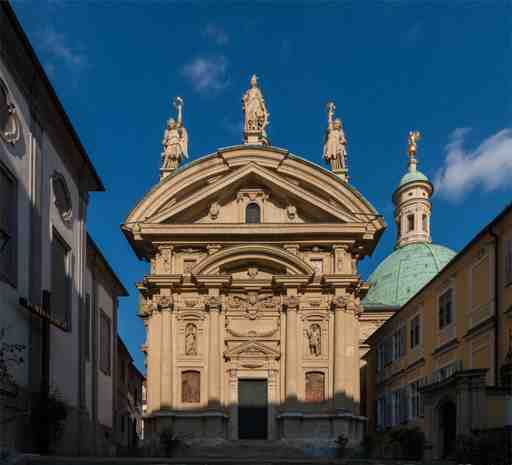
Graz Audio Tour: A Cultural Journey Through the Heart of Innere Stadt
A copper dome gleams above cobblestone lanes while centuries-old secrets lurk in shadowed corners. Graz’s Innere Stadt isn’t just picturesque—it hides rivalries, forbidden treasures, and scandal behind every gilded facade. This self-guided audio tour unlocks the stories etched into silent stones and busy banks, revealing layers most visitors stride right past. Explore at your own pace, eyes wide to moments lost and mysteries unsolved. What priceless relics once vanished behind museum walls during a city in turmoil? Why did a bank built on unity split again and again under pressure? And what secret rebellion still burns in the colors of those controversial stained-glass windows? Step through epochs filled with power plays, artistic revolt, shattered peace, and whispered conspiracies. Wander alleys where ambition met ruin and ordinary Grazers shaped the fate of empires—one bold act at a time. Let the streets tell their truths. Begin your discovery now, before the echoes fade.
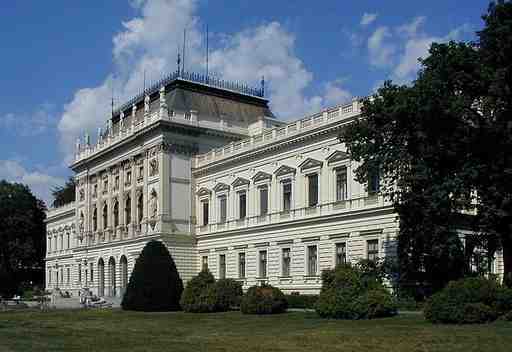
Graz Audio Tour: An Echo Through Time and Education
The secret courtyards of Graz have whispered to scholars and revolutionaries alike for centuries. This self-guided audio tour leads you beyond the city’s facades into stories that slip through cracks in official history—where Gothic spires and hallowed libraries guard more than just knowledge. Which debate at the University of Graz Library once shook an empire? Why do generations of students light candles inside Leechkirche on stormy nights? And what became of the scandalous experiment that vanished from a campus laboratory without a trace? Trace winding paths from sunlit campus squares to echoing church naves, feeling every cobblestone pulse with tales of rebellion, lost manuscripts, and shadowy intrigue. Each stop is a doorway into drama and discovery, reshaping how Graz reveals itself beneath your feet. Let curiosity be your guide—step closer to the secrets that still haunt Graz’s heart. Your journey begins now.
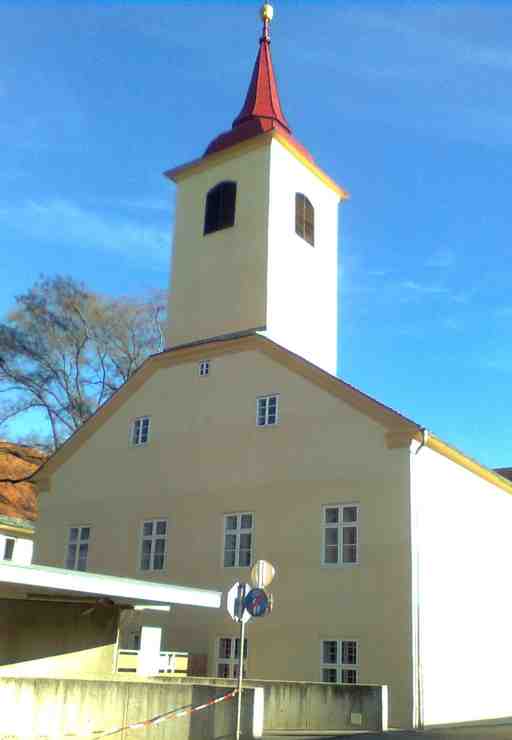
Graz Audio Tour: A Journey Through Time and Faith
In Graz, shadows linger beneath ornate facades and every stone hums with stories you cannot see. This self-guided audio tour peels back the city’s elegant surface to reveal fierce dramas and forgotten intrigue most travelers miss. Wind through grand hotels, sacred spaces, and silent music halls as hidden Graz unfolds around you. Who risked everything to rebuild a lost synagogue against relentless opposition? What secrets echo in the halls where Johann Joseph Fux trained his proteges? Which infamous guest left a permanent mark on Grand Hotel Wiesler and why do locals whisper about that chandelier? Wander from heartbreak to triumph as you cross boulevards tinged with scandal and alleyways alive with hope. Each step brings suspense. Each corner unlocks another layer of Graz’s mysterious spirit. Turn up the volume and step into stories that have been waiting for someone curious enough to listen. Your adventure through Graz begins now.
Top landmarks
The Graz everyone knows.
The landmarks in every guidebook — and the tours that tell you what guidebooks don't.
A few words on Graz
Austria's second city, first for architecture wars.
Graz is Austria's second largest city and the one that has consistently produced the most architecturally adventurous responses to its own historic fabric. The Altstadt, the old town, was inscribed as a UNESCO World Heritage Site in 1999: a remarkably well-preserved ensemble of Gothic, Renaissance, and Baroque buildings accumulated over seven centuries when Graz was the capital of Inner Austria and a strategically crucial Habsburg stronghold. Standing on the Schlossberg, the 473-metre hill at the city's centre from which the clock tower has watched the city since 1561, you can see exactly why the Habsburgs wanted it.
The response to all this heritage came in 2003 with the Kunsthaus Graz, a biomorphic blue blob of a contemporary art museum designed by Peter Cook and Colin Fournier and known locally as the Friendly Alien.
It sits directly across the Mur River from the Altstadt in deliberate contrast, a statement that the city was not content to be merely a custodian of its past. Beside it, an artificial floating island in the Mur, the Murinsel designed by Vito Acconci, functions simultaneously as a cafe, amphitheatre, and footbridge, and has been quietly dividing Graz residents since its installation in 2003.
Graz
Graz FAQ
Before you walk.
The Schlossberg is the single best viewpoint in the city and well worth the effort. You can climb on foot via the Schlossberg steps (260 steps), take the lift through the rock, or the funicular. The top involves some walking on uneven stone paths. The clock tower, the bell tower, and the remains of the fortress walls are all accessible at the summit. Allow 30-45 minutes at the top.
Direct Railjet trains from Vienna Hauptbahnhof to Graz Hauptbahnhof run every hour and take about 2 hours 40 minutes. The journey through the Styrian hills and the Semmering mountain pass is scenic enough to be worth the time rather than flying. Graz airport has flights from several European cities but is 10km south of the city.
Styrian cuisine is distinctive within Austria. Kernolkusse (pumpkin seed oil, a dark green oil with a nutty flavour) is drizzled over salads and soups throughout the region. Steirisches Backhendl (fried chicken) is the classic dish. Schilcher, a sharp rose wine made from Blauer Wildbacher grapes grown only in western Styria, is worth trying. The Hauptplatz and the Lendplatz market have excellent fresh produce.
The Kunsthaus is fully accessible, with lifts and ramp access throughout. Entry is charged with separate fees for permanent and temporary exhibitions. The building is worth seeing from the outside even if you do not enter: the biomorphic blue skin with its nozzle-like light installations (the BIX facade) changes appearance depending on the angle of view and the time of day. It is a short walk from the Hauptplatz across the Erzherzog-Johann-Brucke bridge.
Every Graz tour, in your language.
All 50+ languages, included with every booking.
🇬🇧 English🇫🇷 Français🇪🇸 Español🇩🇪 Deutsch🇮🇹 Italiano🇯🇵 日本語🇨🇳 中文🇰🇷 한국어+ 41 more
star AudaTours Unlimited
Visiting more than one city? Subscribe.
Unlock every Graz tour — plus thousands more worldwide. Cancel any time.
$4.99/week · Cancel anytime




Loved by travellersThousands of tours started.
Thousands of tours started.
Plenty of opinions.
4.8 across the App Store and Google Play. Here's a few we keep coming back to.
starstarstarstarstar
This tour was such a great way to see the city. The stories were interesting without feeling too scripted, and I loved being able to explore at my own pace.

Jess
Tbilisi Tourstarstarstarstarstar
This was a solid way to get to know Brighton without feeling like a tourist. The narration had depth and context, but didn't overdo it.

Christoph
Brighton Tourstarstarstarstarstar
Started this tour with a croissant in one hand and zero expectations. The app just vibes with you, no pressure, just you, your headphones, and some cool stories.

John
Marseille Tourdownload Get the app Pop your headphones in.


Pop your headphones in.
Step outside.
Free to download. Tours in every city. Start in 60 seconds — no account, no card.

headphones
~ 4 min until your first tour starts
public
1,000+ cities worldwide
all_inclusive
AudaTours
Unlimited
Every tour. Every city. One subscription.
3097 tours2273 cities138 countries50+ languages
$39 /year
all_inclusive Explore Unlimited