
50+ languages

 Dhaka · Bangladesh
 Dhaka Audio Tours
Discover Dhaka with self-guided audio walking tours
headphones
2 tours
pin_drop
20 landmarks
translate
Dhaka tours
Pick a Dhaka worth walking.
Self-guided audio tours written by people who actually live there.
2 tours
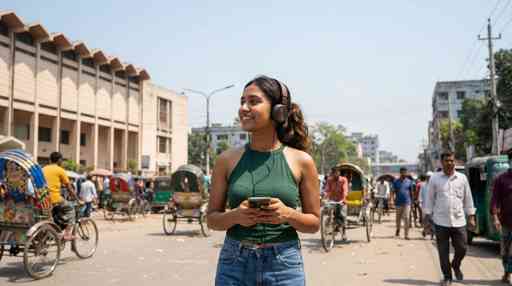
Dhaka Audio Tour: Dhaka Delights Audio Tour
Beneath the ancient banyan trees of Shahbag, Dhaka’s true stories pulse just below the surface. This self-guided audio tour invites you to slip past the crowds and uncover hidden layers: forgotten rebellions at Suhrawardy Udyan, poetic defiance at Kazi Nazrul Islam’s tomb, and whispers of resilience swirling around Ramna Kali Mandir. What protest turned a park into a symbol of hope overnight? Why did Dhaka’s greatest rebel poet choose this final resting place, surrounded by unresolved rumors? Which strange ritual near a shattered temple still sparks hushed conversations in local tea stalls? Move from echoing rally grounds to quiet sanctuaries, each step unraveling struggles and secrets carved into the city’s heart. Experience Dhaka not as a series of landmarks but as living chapters packed with conflict, courage, and myth. The hidden side of Shahbag is calling. Press play and walk straight into its untold stories.
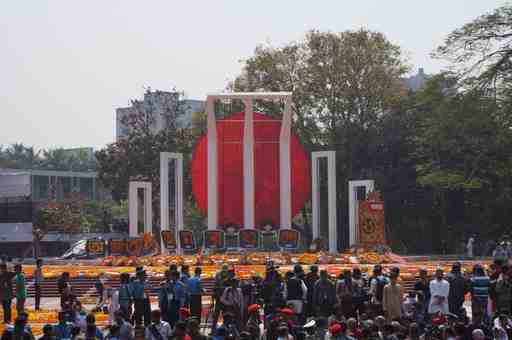
Dhaka Highlights Audio Tour: Iconic Landmarks and Mughal Heritage
Dhaka does not just breathe, it pulses with the ghost of empires and the roar of revolutions trapped beneath the chaotic rush of rickshaws. Unlock the secrets of the capital through this self guided audio tour. Navigate the maze of alleyways to uncover the hidden narratives and forgotten corners that remain invisible to the average traveler. Why did a temple’s deity vanish into the shadows of a sudden, brutal occupation? What dark pacts were whispered in the stone-walled silence of an ancient mosque long before the city crumbled? And who really left the single, blood-stained flower resting at the base of the monument after the protests ended? Traverse the layers of history from the Shaheed Minar to the Dhakeshwari Temple. Feel the weight of centuries as you walk through the heart of a city built on grit and glory. Ready to hear the echoes of history? Start the journey now.
Top landmarks
The Dhaka everyone knows.
The landmarks in every guidebook — and the tours that tell you what guidebooks don't.
A few words on Dhaka
Fourteen million people. Zero idle hours.
Dhaka is a city that never seems to stop. Nearly 14 million people in the city proper move through streets so dense with cycle-rickshaws, CNGs, and pedestrians that traffic doesn't so much flow as negotiate. It has been like this for a long time: under the Mughals in the 17th century, Dhaka served as the capital of Bengal Subah and was famous across the trading world for its weavers, who produced a silk-cotton muslin so fine it was called 'woven air' -- a cloth so light that legend held a sari of it could be threaded through a finger ring.
Old Dhaka, south of the modern city, holds the traces of that history.
The Lalbagh Fort, begun in 1678 by Prince Muhammad Azam, sits incomplete by deliberate choice: construction was abandoned after his fiancee died within its walls and it was considered ill-omened to continue. The Ahsan Manzil, the Pink Palace built in 1872 on the bank of the Buriganga River, is one of the most photogenic buildings in the country, now a museum. The streets of Old Dhaka run through the cutlery market, the flower district, and the sweetmeat sellers, while the cycle-rickshaw painters who decorate vehicle hoods treat their craft with the same seriousness as any gallery artist.
Dhaka
Dhaka FAQ
Before you walk.
Cycle-rickshaws are the classic way to navigate Old Dhaka's narrow lanes -- they are slower than CNG auto-rickshaws but more maneuverable in dense traffic and a quintessential city experience. Ride-share apps (Pathao and Shohoz) operate widely. The new metro rail opened Phase 1 in 2022 and covers some north-south routes, though most historic sites remain in areas best navigated on foot or by rickshaw.
Old Dhaka specifically rewards walking but requires attention: lanes are narrow, traffic is present even in pedestrian areas, and the sensory environment is demanding. Keep audio at a volume that lets you hear your surroundings. The main tourist areas are generally safe, but stay aware of your belongings in crowded markets.
Kacchi biryani, made with raw marinated mutton layered with basmati rice, is a Dhaka specialty with deep Mughal roots -- Fakruddin is one of the most respected names in the city for it. Jhalmuri (puffed rice with mustard oil and spices) from street vendors is the quintessential Dhaka snack. Mishti (Bengali sweets), especially roshmalai and sandesh, are sold at dedicated sweet shops throughout the city.
Lightweight, modest clothing is appropriate. Women should cover shoulders and wear longer skirts or trousers; this is both culturally respectful and practical in the heat. Comfortable, flat shoes that you don't mind getting dusty are advisable. A handkerchief or small towel is useful in the heat and humidity. Sun protection is important from February onward.
Every Dhaka tour, in your language.
All 50+ languages, included with every booking.
🇬🇧 English🇫🇷 Français🇪🇸 Español🇩🇪 Deutsch🇮🇹 Italiano🇯🇵 日本語🇨🇳 中文🇰🇷 한국어+ 41 more
star AudaTours Unlimited
Visiting more than one city? Subscribe.
Unlock every Dhaka tour — plus thousands more worldwide. Cancel any time.
$4.99/week · Cancel anytime

Loved by travellersThousands of tours started.
Thousands of tours started.
Plenty of opinions.
4.8 across the App Store and Google Play. Here's a few we keep coming back to.
starstarstarstarstar
This tour was such a great way to see the city. The stories were interesting without feeling too scripted, and I loved being able to explore at my own pace.

Jess
Tbilisi Tourstarstarstarstarstar
This was a solid way to get to know Brighton without feeling like a tourist. The narration had depth and context, but didn't overdo it.

Christoph
Brighton Tourstarstarstarstarstar
Started this tour with a croissant in one hand and zero expectations. The app just vibes with you, no pressure, just you, your headphones, and some cool stories.

John
Marseille Tourdownload Get the app Pop your headphones in.


Pop your headphones in.
Step outside.
Free to download. Tours in every city. Start in 60 seconds — no account, no card.

headphones
~ 4 min until your first tour starts
public
1,000+ cities worldwide
all_inclusive
AudaTours
Unlimited
Every tour. Every city. One subscription.
3097 tours2273 cities138 countries50+ languages
$39 /year
all_inclusive Explore Unlimited