
50+ languages

 Brussels · Belgium
 Brussels Audio Tours
Discover Brussels with self-guided audio walking tours
headphones
1 tours
pin_drop
20 landmarks
translate
Brussels tours
Pick a Brussels worth walking.
Self-guided audio tours written by people who actually live there.
1 tours
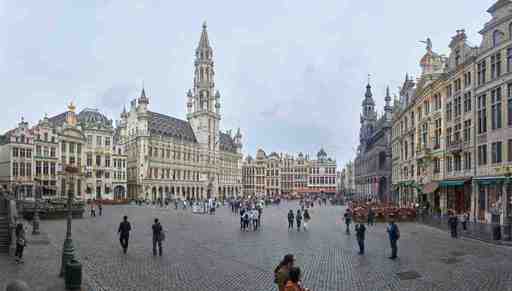
Top landmarks
The Brussels everyone knows.
The landmarks in every guidebook — and the tours that tell you what guidebooks don't.
A few words on Brussels
Capital of Europe, on its own quiet terms.
Brussels operates in three official languages (French, Dutch and German), houses the institutions of the European Union and NATO, and still manages to feel like a city that is not primarily performing for anyone's benefit. The Grand Place, a market square surrounded by 17th-century guildhalls built in Flemish Baroque style, was described by Victor Hugo as 'the most beautiful square in the world.' It was almost destroyed in 1695 when Louis XIV ordered French artillery to bombard it for two days. The guilds rebuilt within four years, which says something about the relationship between beauty and stubbornness that Belgium seems to have made its operating principle.
The beer culture here is not a scene or an affectation -- it is infrastructure.
Lambic ales brewed by spontaneous fermentation have been made in the Brussels region for centuries; Cantillon brewery in Anderlecht has been operating since 1900 and offers tours of the cobwebbed kettles and barrels that produce some of the world's most complex sour beers. The Art Nouveau architecture of Victor Horta, who designed buildings in Brussels in the 1890s and early 1900s that changed the relationship between iron and ornament, is scattered through the Saint-Gilles and Ixelles neighbourhoods and includes the Horta Museum. The comic strip mural trail covers 60 large-format murals painted on gable walls across the city -- because Tintin and the Smurfs and Lucky Luke were all Belgian, which surprises more visitors than it should.
Brussels
Brussels FAQ
Before you walk.
Brussels is very walkable in its central areas. The metro, tram and bus network covers the whole city and a one-day STIB/MIVB pass is good value. Trams 81 and 92 run through several interesting neighbourhoods. The Horta Museum in Saint-Gilles is a 20-minute tram ride from the Grand Place -- easy and cheap.
The Grand Place area, Saint-Gilles, Ixelles, the EU quarter and most residential areas are very comfortable. Some areas around Gare du Midi (Brussels South Station) require a bit more awareness, particularly at night. Overall, Brussels is a safe European capital for pedestrians.
Belgian frites with mayonnaise from a fritkot (standalone fryer kiosk) are a different thing from French fries and worth treating seriously. Moules-frites (mussels with chips) at a brasserie near the Grand Place is the classic lunch. Belgian waffles come in two forms: the lighter Brussels waffle (yeasted, rectangular) and the denser, sweeter Liège waffle. Both are correct. Chocolate from any praline shop on the Galeries Royales Saint-Hubert is a moral obligation.
No -- English is very widely spoken throughout Brussels, particularly in the commercial centre, tourist areas and among younger residents. The city's official bilingualism means that street signs, transport information and menus often appear in both French and Dutch, which can be slightly confusing at first but rarely practically obstructive.
Every Brussels tour, in your language.
All 50+ languages, included with every booking.
🇬🇧 English🇫🇷 Français🇪🇸 Español🇩🇪 Deutsch🇮🇹 Italiano🇯🇵 日本語🇨🇳 中文🇰🇷 한국어+ 41 more
star AudaTours Unlimited
Visiting more than one city? Subscribe.
Unlock every Brussels tour — plus thousands more worldwide. Cancel any time.
$4.99/week · Cancel anytime

More in Belgium
Explore Belgium arrow_forwardOther cities to walk in Belgium.

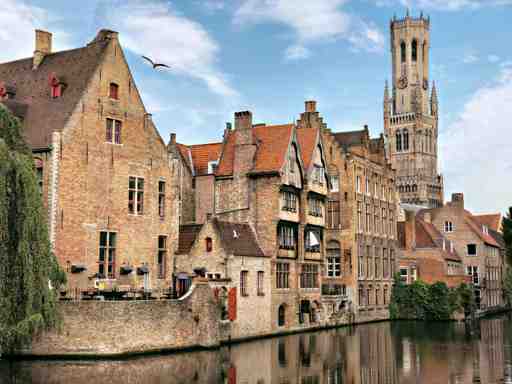
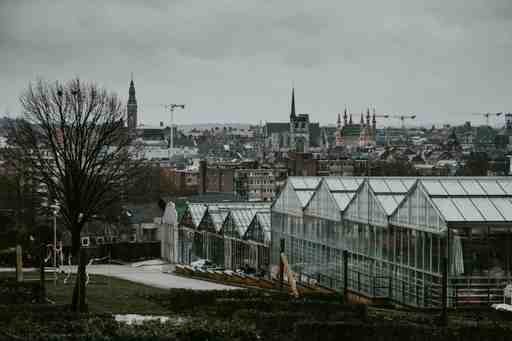
Loved by travellersThousands of tours started.
Thousands of tours started.
Plenty of opinions.
4.8 across the App Store and Google Play. Here's a few we keep coming back to.
starstarstarstarstar
This tour was such a great way to see the city. The stories were interesting without feeling too scripted, and I loved being able to explore at my own pace.

Jess
Tbilisi Tourstarstarstarstarstar
This was a solid way to get to know Brighton without feeling like a tourist. The narration had depth and context, but didn't overdo it.

Christoph
Brighton Tourstarstarstarstarstar
Started this tour with a croissant in one hand and zero expectations. The app just vibes with you, no pressure, just you, your headphones, and some cool stories.

John
Marseille Tourdownload Get the app Pop your headphones in.


Pop your headphones in.
Step outside.
Free to download. Tours in every city. Start in 60 seconds — no account, no card.
headphones
~ 4 min until your first tour starts
public
1,000+ cities worldwide
all_inclusive
AudaTours
Unlimited
Every tour. Every city. One subscription.
3097 tours2273 cities138 countries50+ languages
$39 /year
all_inclusive Explore Unlimited