
50+ languages

 La Paz · Bolivia
 La Paz Audio Tours
Discover La Paz with self-guided audio walking tours
headphones
2 tours
pin_drop
20 landmarks
translate
La Paz tours
Pick a La Paz worth walking.
Self-guided audio tours written by people who actually live there.
2 tours
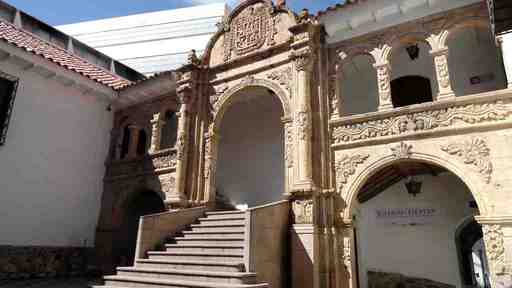
La Paz Highlights Audio Tour: Colonial Heritage and Cultural Treasures
La Paz breathes through stones stained by revolution and gold. This thin mountain air holds the echoes of empires that crumbled in the shadows of the Andes. Unlock these secrets with a self guided audio tour designed to bypass the surface. You will navigate the corridors of power and faith where standard maps lead only to silence. Discover the gritty reality behind the glamour of the plazas. Why does the Burnt Palace still radiate the heat of a forgotten betrayal? What dark rituals were whispered within the walls of the Basilica of San Francisco? And how did a single cannon blast change the fate of the Cathedral forever? Walk the line between sacred history and political fire. Transform your perspective as the city reveals its jagged, beautiful scars under your feet. The story is waiting in the altitude. Start your journey into the heart of the chaos now.
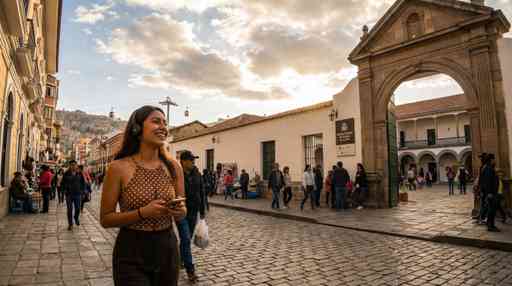
La Paz Audio Tour: A Journey Through La Paz's Urban Tapestry
A city perched between the sky and the Andes hides more secrets than its tangled streets reveal. In La Paz, every grand plaza and stately facade masks echoes of uprisings, clandestine debates, and legends whispered on night winds. Set out on a self-guided audio journey designed to uncover stories and corners few travelers ever see. Drift from the halls of the Plurinational Legislative Assembly to folk art treasures and colonial heartbeats at Alonso de Mendoza Square. Which vanished politician vanished without a trace inside these marble chambers? What shadowy symbols are etched into museum walls that only reveal themselves after dark? Why did a forgotten scandal erupt over a seemingly harmless festival mask? Move through cobblestone routes alive with turmoil, laughter, and protest. Sense history pressing in as street life blurs past you. Feel La Paz transform beneath your feet. Begin your search for the truths this sky-high capital keeps hidden.
Top landmarks
The La Paz everyone knows.
The landmarks in every guidebook — and the tours that tell you what guidebooks don't.
A few words on La Paz
The highest administrative capital on Earth, and it shows.
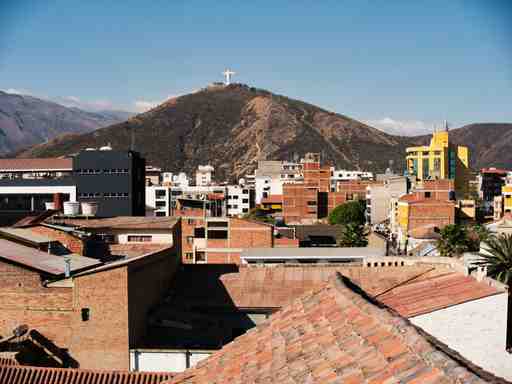
La Paz sits in a canyon carved by the Choqueyapu River, at an elevation of around 3,650 metres above sea level -- making it the highest administrative capital city on the planet. Snow-capped Illimani, at 6,438 metres, watches over the city from the south-east, visible on clear mornings from almost anywhere. The altitude is real and affects most visitors: slower pace, mild headache, difficulty sleeping on the first night. The locals call it soroche and have a cure -- mate de coca, a herbal tea made from coca leaves that is effective, legal and sold in every corner shop.
The city runs up impossibly steep slopes, connecting with El Alto, a sprawling satellite city at 4,000 metres, via Mi Teleférico -- the largest urban cable car network in the world, with colour-coded lines that have become both a practical transit solution and an aerial tour of extraordinary urban geography.
The Witches' Market on Calle Jiménez sells llama foetuses, dried herbs and ritual objects to both tourists and practitioners of traditional Aymara medicine. The Basilica of San Francisco, completed in 1743, is the spiritual centre of the old colonial core. Salteñas -- pastry pockets filled with a sweet-savory braised meat and potato mixture -- are the standard mid-morning street food and are sold only until noon.
La Paz
La Paz FAQ
Before you walk.
May through October is the dry season -- clear blue skies, cold nights, and the best visibility of Illimani from the city. The wet season (November to March) brings afternoon thunderstorms and occasional road closures from landslides on the steep slopes. Temperatures are cool year-round; even summer nights drop to 5-10C.
Layer up regardless of the season. Days can feel warm in the sun (18-22C) but cold in shade, and temperatures drop quickly in the afternoon. The UV radiation at this altitude is significantly stronger than at sea level -- high-SPF sunscreen and sunglasses are genuinely necessary. Sturdy shoes help on the cobblestone streets of the colonial centre.
Mi Teleférico (the cable car system) is cheap, extraordinary, and a sight in itself -- it connects most areas of the city and El Alto. For the flat colonial centre around Plaza Murillo, walking is the best option. Minibuses run on fixed routes and are cheap but complex for first-timers; taxis are readily available.
Yes -- and salteñas must be your mid-morning stop. They are sold only in the morning (shops usually close by noon) from small dedicated bakeries. Lunch at a local mercado offers set menus (almuerzo) of soup, a main plate and juice for around $2-3. The market near Plaza San Francisco has several good stalls.
Every La Paz tour, in your language.
All 50+ languages, included with every booking.
🇬🇧 English🇫🇷 Français🇪🇸 Español🇩🇪 Deutsch🇮🇹 Italiano🇯🇵 日本語🇨🇳 中文🇰🇷 한국어+ 41 more
star AudaTours Unlimited
Visiting more than one city? Subscribe.
Unlock every La Paz tour — plus thousands more worldwide. Cancel any time.
$4.99/week · Cancel anytime

More in Bolivia
Explore Bolivia arrow_forwardOther cities to walk in Bolivia.

Loved by travellersThousands of tours started.
Thousands of tours started.
Plenty of opinions.
4.8 across the App Store and Google Play. Here's a few we keep coming back to.
starstarstarstarstar
This tour was such a great way to see the city. The stories were interesting without feeling too scripted, and I loved being able to explore at my own pace.

Jess
Tbilisi Tourstarstarstarstarstar
This was a solid way to get to know Brighton without feeling like a tourist. The narration had depth and context, but didn't overdo it.

Christoph
Brighton Tourstarstarstarstarstar
Started this tour with a croissant in one hand and zero expectations. The app just vibes with you, no pressure, just you, your headphones, and some cool stories.

John
Marseille Tourdownload Get the app Pop your headphones in.


Pop your headphones in.
Step outside.
Free to download. Tours in every city. Start in 60 seconds — no account, no card.

headphones
~ 4 min until your first tour starts
public
1,000+ cities worldwide
all_inclusive
AudaTours
Unlimited
Every tour. Every city. One subscription.
3097 tours2273 cities138 countries50+ languages
$39 /year
all_inclusive Explore Unlimited