
50+ languages

 Guangzhou · China
 Guangzhou Audio Tours
Discover Guangzhou with self-guided audio walking tours
headphones
2 tours
pin_drop
20 landmarks
translate
Guangzhou tours
Pick a Guangzhou worth walking.
Self-guided audio tours written by people who actually live there.
2 tours
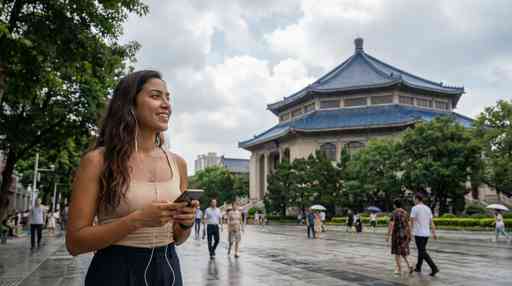
Guangzhou Highlights Audio Tour: Historical Treasures
Beneath the neon glow of modern Guangzhou lies a city built on the ashes of rebellions and the whispers of forgotten dynastic scandals. History here is not just observed. It is survived. Transform your smartphone into a personal guide and navigate the hidden heart of this ancient metropolis. Bypass the standard tourist traps to uncover the buried narratives that shaped a nation. Why did a local uprising ignite a firestorm that nearly toppled an empire? What ghostly secrets haunt the shadows of the cathedral when the crowds vanish? Which forgotten figure once hid a revolutionary fortune inside a nondescript neighborhood garden? Traverse the vibrant streets from the serenity of Liurong Temple to the imposing spires of the Sacred Heart. Feel the pulse of political battles and shifting power as you walk through living history. Uncover the truth behind the chaos and claim the city for yourself. Start your journey now.
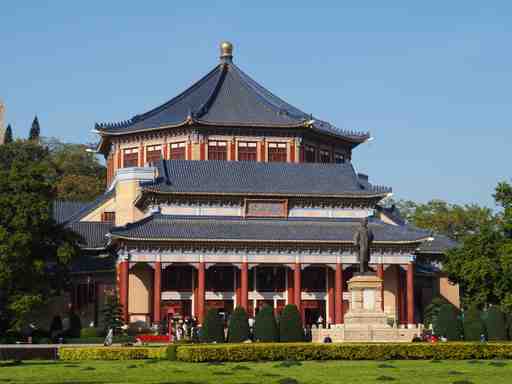
Guangzhou Audio Tour: A Time-Travel Quest through Landmarks and Legends
A lion once roared atop Yuexiu Mountain and the city below trembled. This is Guangzhou's hidden heart, layered with legends and whispers few ever hear. Unlock a self-guided audio tour that sweeps you through secret alleyways, up ancient stone steps, and across stadiums built on revolution. Hear stories locals share in hushed tones while racing beyond guidebooks and ordinary paths. Why did thousands rush to Yuexiushan Stadium one stormy night in 1927? What secrets are buried beneath the ornate tiles of Zhenhai Tower? Which forbidden love was nearly lost forever beneath the camphor trees of Yuexiu Park? Stride into vivid rebellions, royal plots, heartbreaks, and silent triumphs. Every street hides another chapter. Watch Guangzhou transform as you walk where emperors fell and legends began. Are you ready to hunt down the roar beneath the city? Press play and let the unknown unfold.
Top landmarks
The Guangzhou everyone knows.
The landmarks in every guidebook — and the tours that tell you what guidebooks don't.
A few words on Guangzhou
The original open door.
For centuries, Guangzhou was the only city in China where European merchants were permitted to trade, a system that made it not just wealthy but cosmopolitan in ways that confounded Western visitors. The Canton System funneled silk, porcelain, and tea through this Pearl River port while strictly confining foreign traders to their waterfront warehouses. The Canton Fair, which still runs twice a year and claims to be the oldest and largest trade fair in China, is the direct descendant of those arrangements. Founded as Panyu in 214 BC and later renamed Guangzhou, the city has been doing business with the world for longer than most countries have existed.
Guangzhou's most enduring export is its food.
Cantonese cuisine -- the cooking that defined Chinese restaurants across the world, from dim sum trolleys in San Francisco to roast duck in Sydney -- was born in kitchens here. The particular obsession with fresh ingredients, subtle seasoning, and technique over blunt heat is a Guangzhou signature. The city spreads across the Pearl River delta: Shamian Island holds tree-shaded colonial buildings from the British and French concession era; the Guangzhou Tower, completed in 2010, twists 600 meters above the Tianhe district where the financial skyline has been comprehensively rewritten since the 1990s. Between those two scales lies a city that has never entirely stopped trading.
Guangzhou
Guangzhou FAQ
Before you walk.
Yes, and it is a morning activity here more than anywhere else. Cantonese yum cha (literally 'drink tea') means arriving at a dim sum restaurant before 10am, ordering small dishes from trolleys or order sheets, and spending two hours doing it properly. Lianxianglou and Guangzhou Restaurant are century-old institutions that still fill every morning.
The Guangzhou Metro is extensive, clean, and inexpensive, covering most points of interest including Shamian Island (Huangsha station), the Canton Tower (Canton Tower station), and the old city area. Signs and machines include English. Taxis are affordable and plentiful, though drivers may not speak English, so having your destination written in Chinese characters is helpful.
Less so than Beijing or Shanghai, where English signage and English-speaking staff are more common. Metro maps have English labels and most major tourist sites offer some English information, but day-to-day interactions in local markets and restaurants will typically require some Mandarin or a translation app. Younger residents in hospitality are increasingly English-capable.
Lightweight, breathable clothing is essential year-round given the subtropical climate. In summer, sun protection (hat, sunscreen) and a water bottle are mandatory. Comfortable flat shoes are recommended -- Guangzhou's streets are generally flat but some older areas have uneven paving. A compact umbrella or light rain jacket is useful in spring and summer.
Every Guangzhou tour, in your language.
All 50+ languages, included with every booking.
🇬🇧 English🇫🇷 Français🇪🇸 Español🇩🇪 Deutsch🇮🇹 Italiano🇯🇵 日本語🇨🇳 中文🇰🇷 한국어+ 41 more
star AudaTours Unlimited
Visiting more than one city? Subscribe.
Unlock every Guangzhou tour — plus thousands more worldwide. Cancel any time.
$4.99/week · Cancel anytime

More in China
Explore China arrow_forwardOther cities to walk in China.


Loved by travellersThousands of tours started.
Thousands of tours started.
Plenty of opinions.
4.8 across the App Store and Google Play. Here's a few we keep coming back to.
starstarstarstarstar
This tour was such a great way to see the city. The stories were interesting without feeling too scripted, and I loved being able to explore at my own pace.

Jess
Tbilisi Tourstarstarstarstarstar
This was a solid way to get to know Brighton without feeling like a tourist. The narration had depth and context, but didn't overdo it.

Christoph
Brighton Tourstarstarstarstarstar
Started this tour with a croissant in one hand and zero expectations. The app just vibes with you, no pressure, just you, your headphones, and some cool stories.

John
Marseille Tourdownload Get the app Pop your headphones in.


Pop your headphones in.
Step outside.
Free to download. Tours in every city. Start in 60 seconds — no account, no card.

headphones
~ 4 min until your first tour starts
public
1,000+ cities worldwide
all_inclusive
AudaTours
Unlimited
Every tour. Every city. One subscription.
3097 tours2273 cities138 countries50+ languages
$39 /year
all_inclusive Explore Unlimited