
50+ languages

 Ostrava · Czechia
 Ostrava Audio Tours
Discover Ostrava with self-guided audio walking tours
headphones
2 tours
pin_drop
20 landmarks
translate
Ostrava tours
Pick a Ostrava worth walking.
Self-guided audio tours written by people who actually live there.
2 tours
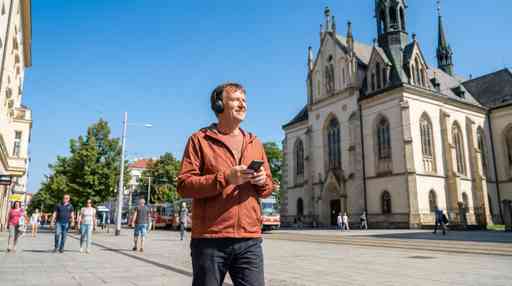
Ostrava Highlights Audio Tour: Cultural Landmarks and History
Ostrava is not the gray industrial ghost you were told about. It is a battlefield of steel where blood, fire, and political scandals have etched deep scars into every cobblestone. This self-guided audio tour peels back the layers of the city. You will bypass the tourist traps to uncover the buried rebellions and forgotten tragedies that defined this urban heartland. Why was the Miloš Sýkora Bridge wired with explosives during the final chaotic hours of the war? What spectral presence lingers within the silent stone walls of the Church of St. Wenceslas? Who really held the true power inside the Old Town Hall during the city’s darkest political betrayal? March through the echoes of iron and ambition as the past rises to meet your footsteps. You will see the shadows change as you finally learn the city's true name. Put on your headphones and start your descent into the secret core of Ostrava.
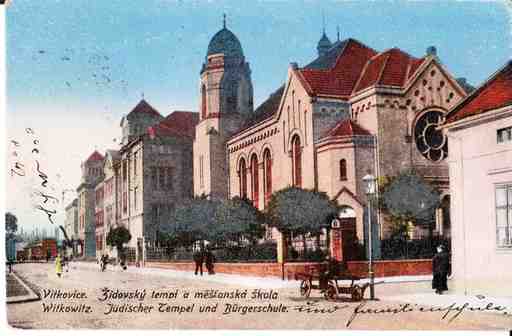
Ostrava Audio Tour: The Vítkovice Legacy Tour
Steel giants tower beside hushed Gothic arches in Ostrava, where coal-dark secrets sleep just beneath the city’s modern pulse. This self-guided audio tour is your key to a hidden side of Ostrava, unlocking stories behind blast furnaces and church walls that most travelers never hear. What rebel plan unfolded under the haunting vaults of the Church of St. Paul? Which infamous negotiation at Czech House set local tongues wagging for decades? Why did artists once risk everything for a mural nobody was supposed to see? Trace the footsteps of industrial titans and forgotten dreamers as you move between Lower Vítkovice’s chimneys and ornate facades. Every corner turns up drama, controversy, or quiet wonder, painting Ostrava in restless color and shadow. Step closer. Steel and stone have stories to confess—your journey into Ostrava’s hidden depths begins now.
Top landmarks
The Ostrava everyone knows.
The landmarks in every guidebook — and the tours that tell you what guidebooks don't.
A few words on Ostrava
The steel heart stopped. The music started.
Ostrava was the industrial core of Czechoslovakia, the city where coal mining began in the 1760s and where the first blast furnace at the Vitkovice ironworks was lit in 1830. By the 20th century, the city was producing a significant portion of the steel and coal that kept first the Habsburg empire and then Czechoslovakia moving. Coal mining in the city stopped in 1994 and the main Vitkovice ironworks closed in 1998, which removed the economic purpose that had defined the city for 170 years and left an extraordinary collection of industrial infrastructure standing intact.
Dolni Vitkovice, the former ironworks complex, is now one of the most impressive industrial heritage sites in central Europe.
The blast furnaces, gas holder, and coking plant have been converted into a cultural venue that hosts the Colours of Ostrava music festival each July, one of the best music festivals in the Czech Republic, held inside and around structures that were producing steel until a few years before the stages arrived. The view from the top of the former gas holder, converted into an observation tower and restaurant, looks out across the city and the Silesian hills.
Ostrava
Ostrava FAQ
Before you walk.
From Prague, the journey by Regiojet or CD trains takes about 3 hours to Ostrava Hlavni Nadrazi. From Krakow in Poland, the journey is around 2-2.5 hours by regional train across the border, making Ostrava an accessible stop on a route between Poland and the Czech Republic. The main station is about 2km from the city centre, reachable by tram.
Dolni Vitkovice is about 3km from the city centre and best reached by tram line 1 or 2. The site is large and involves significant walking on industrial flooring and some staircase climbs in the converted structures. The Bolt Tower (former gas holder) observation level is reached by lift. Pre-booking tours of the ironworks structures is recommended, particularly for the blast furnace interiors.
Ostrava is a safe city and straightforward to walk. The city centre and the Vitkovice area are both fine during the day and evening. The city has a relaxed pace compared to Prague and tourist numbers are much lower, which makes walking with headphones and stopping to look around considerably easier.
Ostrava is Moravian and Silesian, so the food leans towards hearty central European cooking: svickova (beef in cream sauce), gulasch, and strong Czech beer. The city's craft beer scene has grown considerably since the industrial economy declined. The Stodolni street, a long street of bars and clubs in the city centre, is where most evening activity concentrates and has several good local breweries represented on tap.
Every Ostrava tour, in your language.
All 50+ languages, included with every booking.
🇬🇧 English🇫🇷 Français🇪🇸 Español🇩🇪 Deutsch🇮🇹 Italiano🇯🇵 日本語🇨🇳 中文🇰🇷 한국어+ 41 more
star AudaTours Unlimited
Visiting more than one city? Subscribe.
Unlock every Ostrava tour — plus thousands more worldwide. Cancel any time.
$4.99/week · Cancel anytime




Loved by travellersThousands of tours started.
Thousands of tours started.
Plenty of opinions.
4.8 across the App Store and Google Play. Here's a few we keep coming back to.
starstarstarstarstar
This tour was such a great way to see the city. The stories were interesting without feeling too scripted, and I loved being able to explore at my own pace.

Jess
Tbilisi Tourstarstarstarstarstar
This was a solid way to get to know Brighton without feeling like a tourist. The narration had depth and context, but didn't overdo it.

Christoph
Brighton Tourstarstarstarstarstar
Started this tour with a croissant in one hand and zero expectations. The app just vibes with you, no pressure, just you, your headphones, and some cool stories.

John
Marseille Tourdownload Get the app Pop your headphones in.


Pop your headphones in.
Step outside.
Free to download. Tours in every city. Start in 60 seconds — no account, no card.

headphones
~ 4 min until your first tour starts
public
1,000+ cities worldwide
all_inclusive
AudaTours
Unlimited
Every tour. Every city. One subscription.
3097 tours2273 cities138 countries50+ languages
$39 /year
all_inclusive Explore Unlimited