
50+ languages

 Tartu · Estonia
 Tartu Audio Tours
Discover Tartu with self-guided audio walking tours
headphones
3 tours
pin_drop
20 landmarks
translate
Tartu tours
Pick a Tartu worth walking.
Self-guided audio tours written by people who actually live there.
3 tours
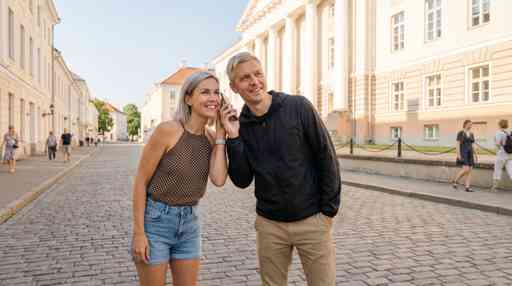
Tartu Highlights Audio Tour: Cultural Landmarks and Heritage
Beneath the quiet cobblestones of Tartu lie secrets written in blood and starlight. This city wears a mask of academic calm, but its history screams of rebellious defiance and divine scandal. Uncover the truth with this immersive self-guided audio tour. Navigate the winding streets at your own pace to experience stories that remain invisible to the average traveler. Why does the Devil’s Bridge cast a shadow over the city’s most intellectual pursuit? What dark pact truly binds the celestial maps of the Old Observatory to the ghosts of political exiles? Is it possible for a simple bridge to be cursed by a century of unrequited love? Climb the hills and wander the shadows where empires clashed and geniuses dreamt. Transform your perception of this storied landscape into a vivid theater of human ambition. Press play now to begin your descent into the heart of Tartu.
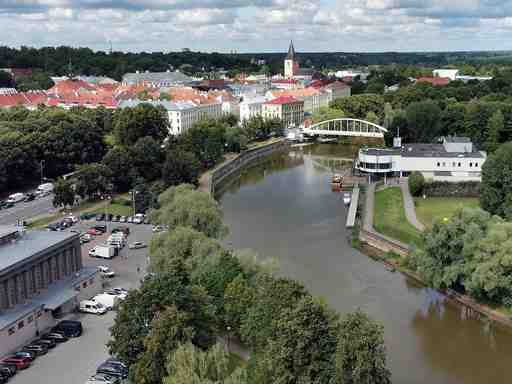
Tartu Audio Tour: Myths, Bridges, and Legends of Estonia’s Heart
Beneath Tartu’s leafy canopy, the city’s oldest hill holds secrets that have outlasted empires. Here, armored warriors stand frozen in defiance and ruined cathedrals cast their silent shadows, daring the curious to look deeper. This self-guided audio tour reveals stories often overlooked by crowds or guidebooks. Traverse winding paths and ancient strongholds to uncover hidden corners where myth blurs into reality. What drove Prince Vyachko to make his final, desperate stand atop Yuriev’s burning ramparts? Whose whispers linger after midnight beneath the shattered arches of Tartu Cathedral? Why does an oddly empty plaque near Domskaya Gorka point to a vanished chapter in history? Journey through political sieges, rebellions, silent scandals, and unsolved mysteries. Move from grassy domes to soaring ruins as past and present collide beneath your feet. Every turn brings another surge of discovery—each monument a witness to ambition, courage, and loss. Ready to follow the footsteps of heroes and outcasts alike? Start your walk where bronze swords are always raised.
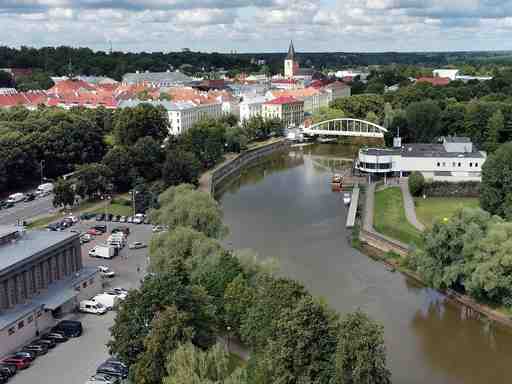
Tartu Audio Tour: Echoes of Scholars, Saints, and Cellars
Beneath Tartu’s quiet charm lies a city layered with vanished kingdoms, revolutionary theatre, and rebellious scribblers whose words shaped a nation. This self-guided audio tour invites you into the secret histories and dramatic moments woven through the cobbled streets—revealing the bold characters and wild events other travelers stroll right past. What desperate gamble did Tartu’s rulers make when enemy armies thundered at Dorpat’s gates? Why did flames repeatedly stalk Vanemuine’s stages—and what ghostly laughter still echoes backstage? And which banned tale hidden in the Estonian Literary Museum once set the city whispering? Stride through political intrigue and unsolved mysteries, feeling every echo from rebel cries to triumphant curtain calls. Each stop unlocks layers of scandal, courage, and creative fire, letting you see familiar landmarks blaze with new significance. Ready to pull back the velvet curtain and let Tartu’s tangled stories take center stage? Begin your journey now.
Top landmarks
The Tartu everyone knows.
The landmarks in every guidebook — and the tours that tell you what guidebooks don't.
A few words on Tartu
Estonia thinks here.
Tartu has been Estonia's intellectual capital for so long that the designation feels less like a marketing slogan and more like a geological fact. The University of Tartu was founded in 1632, during the period of Swedish rule, and has remained at the center of Estonian intellectual and cultural life ever since. Karl Ernst von Baer worked out the fundamentals of modern embryology here in the 1820s. Juri Lotman developed semiotics here in the Soviet era, becoming one of the 20th century's most significant theorists of culture from inside a city under occupation.
In 1869, the first Estonian Song Festival took place in Tartu, beginning a tradition of mass choral gatherings that would eventually become a form of peaceful cultural resistance and, in 1987-1991, a direct instrument of independence.
The festival remains active. The Vanemuine Theatre, founded here, was the first permanent theatre in the Estonian language. In 2024, Tartu was European Capital of Culture, a recognition of what the city has always known about itself.
Tartu
Tartu FAQ
Before you walk.
Buses run frequently between Tallinn and Tartu, taking about 2.5 hours on the main highway. The bus is cheaper and often more convenient than the train. The journey is a direct route south through the Estonian countryside. Tartu Bus Station is a short walk from the town center.
Yes. The historic center is compact and mostly flat along the river, with a gentle climb to the cathedral hill above the old town. The town square, university district, and riverside are all close together. The walking is comfortable and the streets are well-maintained.
Tartu has a range of cafes and restaurants reflecting both traditional Estonian food and the international tastes of a university city. Try verivorst (blood sausage) and mulgipuder (potato and barley porridge) for Estonian classics. The student area around Raekoja plats has affordable options. Craft beer has become a local specialty.
Yes. Tartu is one of Estonia's safest cities, with low crime rates and a relaxed atmosphere. The university population gives the streets a lively, cosmopolitan feel during term time. The Emajogi riverfront and the cathedral hill area are safe at all hours.
Every Tartu tour, in your language.
All 50+ languages, included with every booking.
🇬🇧 English🇫🇷 Français🇪🇸 Español🇩🇪 Deutsch🇮🇹 Italiano🇯🇵 日本語🇨🇳 中文🇰🇷 한국어+ 41 more
star AudaTours Unlimited
Visiting more than one city? Subscribe.
Unlock every Tartu tour — plus thousands more worldwide. Cancel any time.
$4.99/week · Cancel anytime

More in Estonia
Explore Estonia arrow_forwardOther cities to walk in Estonia.

Loved by travellersThousands of tours started.
Thousands of tours started.
Plenty of opinions.
4.8 across the App Store and Google Play. Here's a few we keep coming back to.
starstarstarstarstar
This tour was such a great way to see the city. The stories were interesting without feeling too scripted, and I loved being able to explore at my own pace.

Jess
Tbilisi Tourstarstarstarstarstar
This was a solid way to get to know Brighton without feeling like a tourist. The narration had depth and context, but didn't overdo it.

Christoph
Brighton Tourstarstarstarstarstar
Started this tour with a croissant in one hand and zero expectations. The app just vibes with you, no pressure, just you, your headphones, and some cool stories.

John
Marseille Tourdownload Get the app Pop your headphones in.


Pop your headphones in.
Step outside.
Free to download. Tours in every city. Start in 60 seconds — no account, no card.

headphones
~ 4 min until your first tour starts
public
1,000+ cities worldwide
all_inclusive
AudaTours
Unlimited
Every tour. Every city. One subscription.
3097 tours2273 cities138 countries50+ languages
$39 /year
all_inclusive Explore Unlimited