
50+ languages

 Genoa · Italy
 Genoa Audio Tours
Discover Genoa with self-guided audio walking tours
headphones
2 tours
pin_drop
20 landmarks
translate
Genoa tours
Pick a Genoa worth walking.
Self-guided audio tours written by people who actually live there.
2 tours
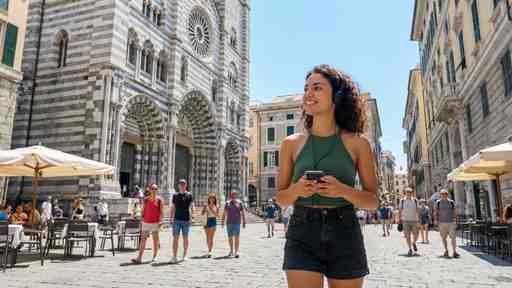
Genoa Highlights Audio Tour: Maritime Heritage and Palatial Wonders
Genoa is not just a port city. It is a labyrinth of marble palaces built on the blood and gold of ancient merchant kings who once held the Mediterranean in their iron grip. Unlock these secrets with a self-guided audio tour that pulls back the curtain on the grand facades of the White Palace and Palazzo Rosso. Wander far beyond the tourist crowds to uncover forgotten rebellions and maritime scandals hidden in plain sight. Why did a powerful doge vanish from his own locked chambers during a state banquet? What dark cargo lies buried in the forgotten hulls at the Galata Maritime Museum? Is the crimson stain on the marble floor of the palace a remnant of a bitter aristocratic feud? Trace the footsteps of exiled explorers and desperate rebels. Transform your stroll into a cinematic journey through centuries of high stakes drama. Start your descent into the shadows of the Superba now.
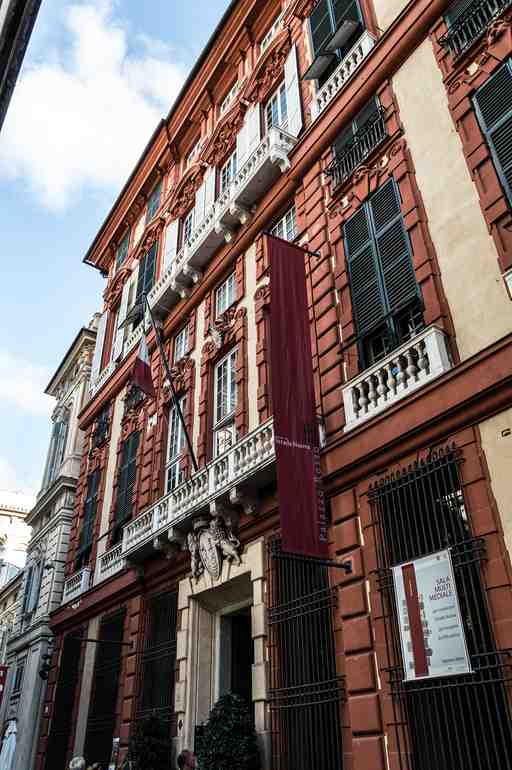
Genoa Audio Tour: Palaces, Piazzas, and Hidden Legends
A secret vault of crimson treasures lies hidden in the heart of Genoa, watched over by palaces where Doges plotted and cathedrals shimmer with ancient relics. Beneath every mosaic and marble column, stories wait—some whispered in smoke-filled chambers, others etched by flame and blade. This self-guided audio tour winds you through Genoa’s labyrinth, revealing the unexpected dramas and scandalous secrets most visitors rush past. Who tried to burn the Doge’s Palace to the ground in a single night of rebellion? What mysterious code is carved into the shadowed walls of San Lorenzo’s crypt? Why did a priceless painting at Palazzo Rosso vanish for almost a century only to reappear under strange circumstances? Trace footsteps of intrigue along narrow alleys and sunlit piazzas, moving between power and beauty, rebellion and devotion. Each landmark peels back layers of truth, revealing Genoa as you have never seen it. Unlock the city’s vault. Begin your journey now.
Top landmarks
The Genoa everyone knows.
The landmarks in every guidebook — and the tours that tell you what guidebooks don't.
A few words on Genoa
La Superba. Medieval, proud, and not trying to charm you.
Petrarch called Genoa 'La Superba' in the 14th century and the name stuck, partly because it is accurate. The city is one of the oldest continuously inhabited in the world, and the Republic of Genoa dominated Mediterranean trade for over 700 years until Napoleon ended it in 1797. The Bank of Saint George, founded in 1407, is considered the oldest state deposit bank in the world. Christopher Columbus was born here around 1451. Nicolo Paganini, the violinist, grew up in these streets. The architect Renzo Piano, who rebuilt the waterfront for the 1992 Columbian Celebrations and then designed the replacement for the Ponte Morandi after its 2018 collapse, is Genoese.
The caruggi, the medieval alleyways that make up one of Europe's largest and most densely populated historic centres, are what make Genoa unlike anywhere else in Italy.
You can spend an hour walking through them without covering much ground: they are narrow enough that neighbours on opposite sides could shake hands from their windows, and they open unexpectedly into small piazzas that let in a blast of sky. The Via Garibaldi and Via Cairoli, known as the Strade Nuove, were built in the 16th and 17th centuries to display the wealth of Genoese aristocracy and now form a UNESCO World Heritage corridor of palaces.
Genoa
Genoa FAQ
Before you walk.
The caruggi are genuinely narrow, dark, and sometimes disorienting. This is part of their appeal. Wear flat, comfortable shoes as many alleys are steep and paved with uneven stone. Some streets are so narrow they get little direct sun and can feel cool even in summer. Getting a little lost is expected and worthwhile.
Genoa Cristoforo Colombo Airport serves the city with domestic and European routes. The main train station, Genova Piazza Principe, connects to Milan in about 90 minutes and to Turin in two hours. The city is also on the main coastal rail line toward the Cinque Terre and La Spezia.
The historic centre has a rough reputation that is somewhat exaggerated. During daylight hours the caruggi are busy and generally safe, though pickpocketing can occur in crowded areas. The Via Garibaldi palaces and the port area are comfortable for tourists. After dark, some narrower alleys in the old town are best avoided.
Pesto alla genovese, made with fresh basil grown in the local hills, is the city's most famous contribution to Italian food and tastes different here than anywhere else. Focaccia genovese is available at bakeries from early morning and is a legitimate breakfast. Farinata, a thin chickpea pancake baked in a wood-fired oven, is sold by street vendors throughout the old town.
Every Genoa tour, in your language.
All 50+ languages, included with every booking.
🇬🇧 English🇫🇷 Français🇪🇸 Español🇩🇪 Deutsch🇮🇹 Italiano🇯🇵 日本語🇨🇳 中文🇰🇷 한국어+ 41 more
star AudaTours Unlimited
Visiting more than one city? Subscribe.
Unlock every Genoa tour — plus thousands more worldwide. Cancel any time.
$4.99/week · Cancel anytime

More in Italy
Explore Italy arrow_forwardOther cities to walk in Italy.

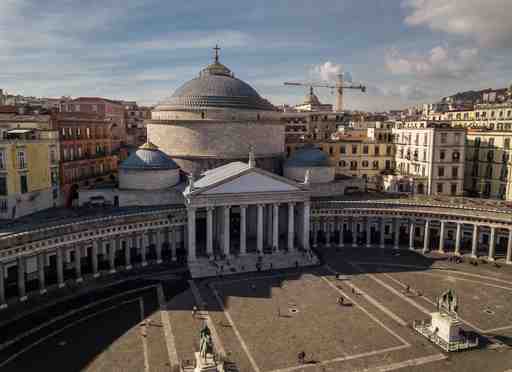
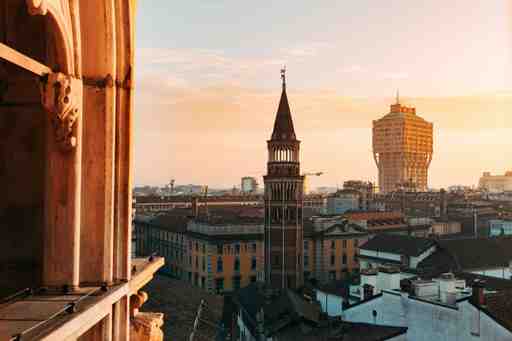
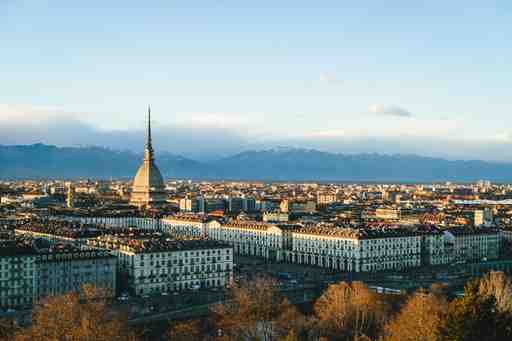
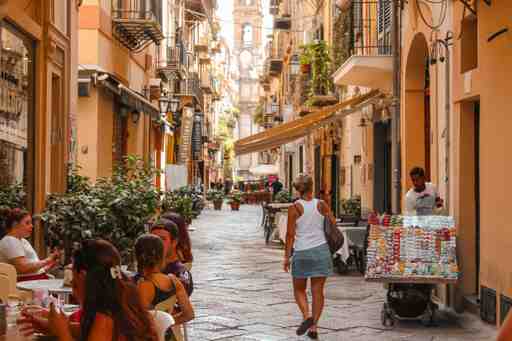
Loved by travellersThousands of tours started.
Thousands of tours started.
Plenty of opinions.
4.8 across the App Store and Google Play. Here's a few we keep coming back to.
starstarstarstarstar
This tour was such a great way to see the city. The stories were interesting without feeling too scripted, and I loved being able to explore at my own pace.

Jess
Tbilisi Tourstarstarstarstarstar
This was a solid way to get to know Brighton without feeling like a tourist. The narration had depth and context, but didn't overdo it.

Christoph
Brighton Tourstarstarstarstarstar
Started this tour with a croissant in one hand and zero expectations. The app just vibes with you, no pressure, just you, your headphones, and some cool stories.

John
Marseille Tourdownload Get the app Pop your headphones in.


Pop your headphones in.
Step outside.
Free to download. Tours in every city. Start in 60 seconds — no account, no card.

headphones
~ 4 min until your first tour starts
public
1,000+ cities worldwide
all_inclusive
AudaTours
Unlimited
Every tour. Every city. One subscription.
3097 tours2273 cities138 countries50+ languages
$39 /year
all_inclusive Explore Unlimited