
50+ languages

 Venice · Italy
 Venice Audio Tours
Discover Venice with self-guided audio walking tours
headphones
1 tours
pin_drop
20 landmarks
translate
Venice tours
Pick a Venice worth walking.
Self-guided audio tours written by people who actually live there.
1 tours
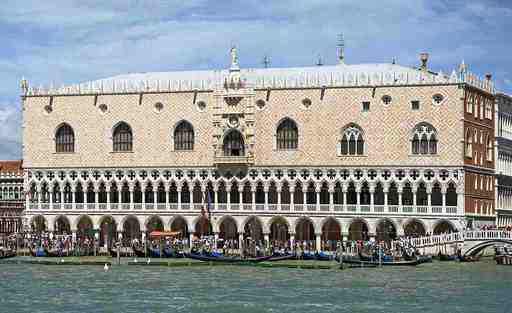
Top landmarks
The Venice everyone knows.
The landmarks in every guidebook — and the tours that tell you what guidebooks don't.
A few words on Venice
A City Built on Water That Refuses to Sink Quietly
Venice was built across 118 small islands in a lagoon at the top of the Adriatic, connected by 400 bridges over 177 canals, and there is no other city like it on earth. The original settlers fled mainland invasions in the 5th and 6th centuries and found security on the mudflats that no army on horseback could cross. From that unlikely foundation they built a maritime republic that controlled trade between Europe and Asia for five centuries, and the wealth they accumulated is visible in every stone of the Grand Canal: the Ca' d'Oro, the Palazzo Grimani, the Ca' Rezzonico, each one a statement of what a merchant family could do when the trade routes ran through their city.
The Piazza San Marco is the center of everything and has been since the 9th century, when the basilica was first built to house the relics of St.
Mark, smuggled from Alexandria in a basket of pork. The current basilica dates mostly from the 11th century and its exterior mosaics and Byzantine domes are the product of four centuries of continuous embellishment. The Doge's Palace beside it was the seat of government for a republic that lasted a thousand years. The Rialto Bridge, built in 1591 from a design by Antonio da Ponte after Michelangelo and Palladio both lost the competition, spans the Grand Canal at its narrowest point and has anchored Venice's commercial life since the 12th century.
Venice
Venice FAQ
Before you walk.
The ACTV vaporetto water bus network is the main public transport system and is inexpensive and extensive. Line 1 runs the full length of the Grand Canal and is the best way to see the palaces. Water taxis are much more expensive but useful with luggage or for reaching outer islands. Most walking within neighborhoods is done on foot.
Cannaregio in the north is the most residential and untoursited major sestiere, with a long canal promenade and the historic Jewish Ghetto, the world's first. Dorsoduro on the southern waterfront has the Accademia gallery and the Peggy Guggenheim Collection. Castello east of the Arsenale is the largest sestiere and largely free of crowds beyond the Via Garibaldi.
November and early December, and February outside Carnival, offer the smallest crowds and the most atmospheric experience of the city. Acqua alta, the flooding that affects the lowest parts of the city, most often occurs in October through January, but the MOSE barriers now mitigate the worst events. July and August are the most crowded months by a significant margin.
Two full days allows you to cover the major sites at San Marco and walk several of the six main neighborhoods. Three days is better: the Accademia gallery alone deserves half a day, and the islands of Murano, Burano, and Torcello to the north of the lagoon each reward an afternoon visit. Venice is a city that yields more the longer you stay.
Every Venice tour, in your language.
All 50+ languages, included with every booking.
🇬🇧 English🇫🇷 Français🇪🇸 Español🇩🇪 Deutsch🇮🇹 Italiano🇯🇵 日本語🇨🇳 中文🇰🇷 한국어+ 41 more
star AudaTours Unlimited
Visiting more than one city? Subscribe.
Unlock every Venice tour — plus thousands more worldwide. Cancel any time.
$4.99/week · Cancel anytime

More in Italy
Explore Italy arrow_forwardOther cities to walk in Italy.
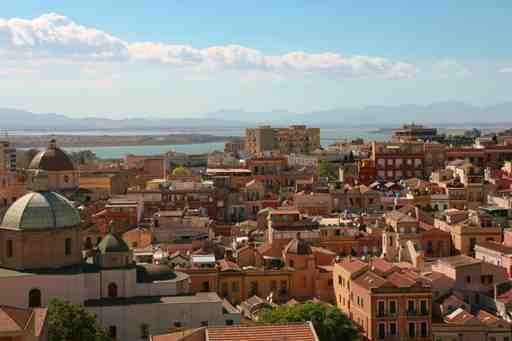



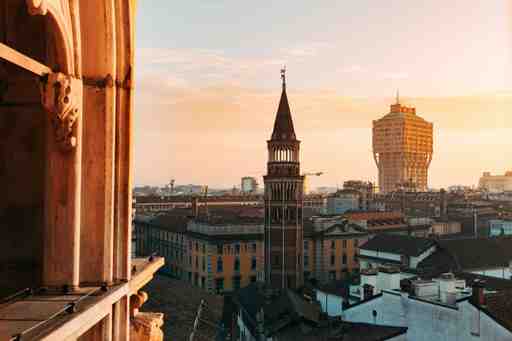

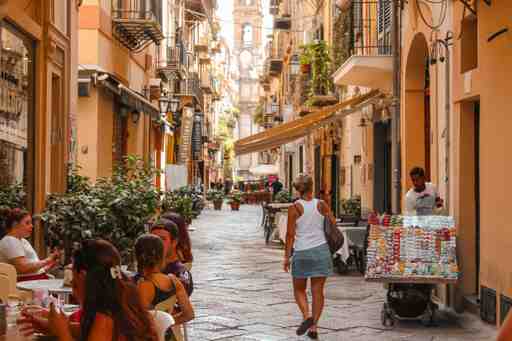
Loved by travellersThousands of tours started.
Thousands of tours started.
Plenty of opinions.
4.8 across the App Store and Google Play. Here's a few we keep coming back to.
starstarstarstarstar
This tour was such a great way to see the city. The stories were interesting without feeling too scripted, and I loved being able to explore at my own pace.

Jess
Tbilisi Tourstarstarstarstarstar
This was a solid way to get to know Brighton without feeling like a tourist. The narration had depth and context, but didn't overdo it.

Christoph
Brighton Tourstarstarstarstarstar
Started this tour with a croissant in one hand and zero expectations. The app just vibes with you, no pressure, just you, your headphones, and some cool stories.

John
Marseille Tourdownload Get the app Pop your headphones in.


Pop your headphones in.
Step outside.
Free to download. Tours in every city. Start in 60 seconds — no account, no card.

headphones
~ 4 min until your first tour starts
public
1,000+ cities worldwide
all_inclusive
AudaTours
Unlimited
Every tour. Every city. One subscription.
3097 tours2273 cities138 countries50+ languages
$39 /year
all_inclusive Explore Unlimited