
50+ languages

 Pristina · Kosovo
 Pristina Audio Tours
Discover Pristina with self-guided audio walking tours
headphones
2 tours
pin_drop
16 landmarks
translate
Pristina tours
Pick a Pristina worth walking.
Self-guided audio tours written by people who actually live there.
2 tours

Pristina Highlights Audio Tour: Cultural Crossroads
Pristina hides a turbulent soul beneath its concrete skin where Ottoman minarets cast long shadows over the remnants of socialist ambition. This is not just a walk through the city but an immersive self guided audio journey into the cracks of history. You will uncover secrets that remain buried beneath the modern facade and access stories that most travelers never hear. Why did the National Theatre become the silent stage for a clandestine political rebellion? What dark secret remains locked within the ancient walls of the Çarshi Mosque? And exactly which forgotten relic at the National Museum once sparked an international scandal that reshaped local borders? Traverse these scarred streets to feel the pulse of a city that constantly reinvents itself. Experience the collision of empire and uprising as the past rises to meet your every stride. Plug in and let the shadows of Pristina finally speak.
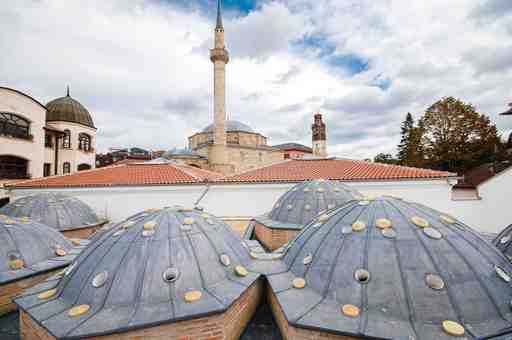
Pristina Audio Tour: Time Capsules and Modern Marvels
A fortress of glinting glass looms among crumbling minarets. In Pristina, walls whisper more than headlines ever reveal. Discover Kosovo’s capital at your own pace with this immersive self-guided audio tour. Journey beyond the crowds to uncover lost stories and unseen corners that shape the city’s relentless spirit. Which dramatic face-off outside the Central Bank changed national fate overnight? What secrets echo inside the unfinished Church of Christ the Saviour where no prayers have been heard? Who sparked a stadium scandal that rattled the very heart of football in Fadil Vokrri Stadium? Trace powerful uprisings and silent standoffs as you move through winding streets. Each step peels back new layers of rebellion, hope, and hidden drama. By the journey’s end, the city transforms before your eyes and stays with you long after. Ready to dig beneath Pristina’s shimmering surface? Press play and let the real stories begin.
Top landmarks
The Pristina everyone knows.
The landmarks in every guidebook — and the tours that tell you what guidebooks don't.
A few words on Pristina
Europe's youngest capital, still writing its first chapter.
Kosovo declared independence in 2008, making Pristina one of the newest capitals in the world, and the city still has the slightly unfinished energy of a place that has not yet decided what it wants to be. Ottoman mosques stand near concrete Yugoslav-era blocks, which stand near glass-and-steel offices built with international development money, which stand near coffee bars -- more coffee bars per capita than almost anywhere in Europe, where Pristina locals seem to conduct most of their public life from plastic chairs on the pavement.
The Newborn monument, a massive block of orange lettering that has been repainted every February 17 since independence, has become the city's accidental symbol -- a piece of political street art that turned into a landmark.
The Imperial Mosque nearby was built in the 15th century under Sultan Mehmed the Conqueror, and the old clock tower has survived several different empires. The Cathedral of Saint Mother Teresa, named for the Albanian-origin saint, opened in 2017 and already feels permanent.
Pristina
Pristina FAQ
Before you walk.
Pristina is considered one of the safer capitals in the Balkans for tourists. The city center around Mother Teresa Boulevard, the Newborn monument, and the old bazaar area is active with pedestrians and perfectly comfortable with headphones during the day. Standard precautions apply -- be aware of traffic on busy intersections, and keep belongings close in crowded areas.
The city center is compact and best explored on foot. Most of the significant sites -- the Newborn monument, Imperial Mosque, Bazaar, clock tower, National Museum, and Mother Teresa Boulevard -- are within a comfortable 30-40 minute walking radius of each other. Taxis are inexpensive and widely available for getting to the start point or returning from the end.
Download your tour before setting out. Mobile coverage in Pristina's city center is generally reliable, with several local operators providing 4G service. International roaming costs can vary significantly depending on your provider, so checking data rates before arrival is worth doing. Free WiFi is available in most of the city's many cafes.
Kosovo uses the Euro despite not being an EU member state. Card payments are accepted in most cafes, restaurants, and shops in the city center, though some smaller establishments and market stalls prefer cash. ATMs are widely available throughout the center. Prices are among the lowest of any European capital, so your budget stretches noticeably further here.
Every Pristina tour, in your language.
All 50+ languages, included with every booking.
🇬🇧 English🇫🇷 Français🇪🇸 Español🇩🇪 Deutsch🇮🇹 Italiano🇯🇵 日本語🇨🇳 中文🇰🇷 한국어+ 41 more
star AudaTours Unlimited
Visiting more than one city? Subscribe.
Unlock every Pristina tour — plus thousands more worldwide. Cancel any time.
$4.99/week · Cancel anytime

Loved by travellersThousands of tours started.
Thousands of tours started.
Plenty of opinions.
4.8 across the App Store and Google Play. Here's a few we keep coming back to.
starstarstarstarstar
This tour was such a great way to see the city. The stories were interesting without feeling too scripted, and I loved being able to explore at my own pace.

Jess
Tbilisi Tourstarstarstarstarstar
This was a solid way to get to know Brighton without feeling like a tourist. The narration had depth and context, but didn't overdo it.

Christoph
Brighton Tourstarstarstarstarstar
Started this tour with a croissant in one hand and zero expectations. The app just vibes with you, no pressure, just you, your headphones, and some cool stories.

John
Marseille Tourdownload Get the app Pop your headphones in.


Pop your headphones in.
Step outside.
Free to download. Tours in every city. Start in 60 seconds — no account, no card.
headphones
~ 4 min until your first tour starts
public
1,000+ cities worldwide
all_inclusive
AudaTours
Unlimited
Every tour. Every city. One subscription.
3097 tours2273 cities138 countries50+ languages
$39 /year
all_inclusive Explore Unlimited