
50+ languages

 Vilnius · Lithuania
 Vilnius Audio Tours
Discover Vilnius with self-guided audio walking tours
headphones
2 tours
pin_drop
20 landmarks
translate
Vilnius tours
Pick a Vilnius worth walking.
Self-guided audio tours written by people who actually live there.
2 tours
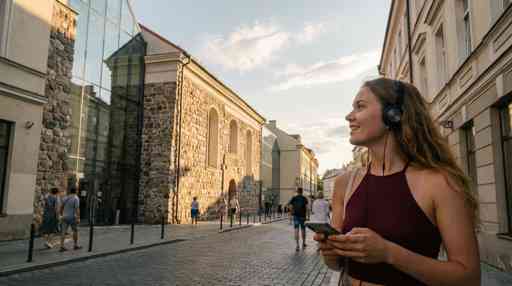
Vilnius Audio Tour: Hidden Stories from Castles to Cathedrals
Discover the rich history and breathtaking architecture of Vilnius on this captivating tour. Begin your journey at the majestic Palace of the Grand Dukes of Lithuania, where royal grandeur and fascinating stories await. Explore the sprawling Vilnius Castle Complex, a symbol of the city’s resilience and heritage. Marvel at the stunning Vilnius Cathedral, an iconic masterpiece blending Gothic, Renaissance, and Baroque styles. Along the way, immerse yourself in charming streets and hidden gems that bring Lithuania’s vibrant past to life. This unforgettable experience promises a perfect blend of culture, history, and beauty in the heart of Vilnius.
Vilnius Highlights Audio Tour: Architectural and Historical Treasures
Beneath the baroque spires of Vilnius lies a city built on the bones of duels, burning rebellions, and secrets whispered behind heavy palace gates. History here is not written in textbooks but etched into the very cobblestones you walk upon today. Unlock these hidden chapters with a self-guided audio tour designed to bypass the surface. Traverse the halls of the Grand Dukes and the quiet corridors of power to uncover the scandals most tourists never hear. Why did a grand cathedral vanish from sight for an entire generation? What dark pact was signed within the Presidential Palace walls during the dead of night? Who left a single bloodstained glove on the steps of the palace? Roam through centuries of political upheaval and raw human drama. Transform your walk into a cinematic journey where every corner pulse with the echoes of the past. Begin your descent into the shadows now.
Top landmarks
The Vilnius everyone knows.
The landmarks in every guidebook — and the tours that tell you what guidebooks don't.
A few words on Vilnius
Iron wolves, opera, and the center of Europe.
Vilnius was founded, according to legend, when Grand Duke Gediminas dreamed of an iron wolf howling from a hill and a priest told him it meant he should build a fortress and city there. That was around 1323, and the city that resulted has been through more than most European capitals care to remember: Polish-Lithuanian Commonwealth, Tsarist Russia, German occupation, Soviet incorporation, and finally independence on March 11, 1990, when Lithuania became the first Soviet republic to declare it. Fourteen civilians died at the TV Tower on January 13, 1991 when Soviet troops attacked, and their names are inscribed on the concrete that still shows bullet holes.
The Old Town, a UNESCO World Heritage Site since 1994, is the largest Baroque district north of the Alps and the easternmost significant Baroque city in Europe, a style its architects developed into something distinctively local called Vilnian Baroque.
The most famous church in the city, St Anne's, is a late Gothic masterpiece from the 16th century that Napoleon reportedly said he wanted to carry back to Paris on the palm of his hand. The bohemian district of Uzupis, across the Vilnele River from the Old Town, declared itself an independent republic in 1997 with its own constitution, currency, and president, and the angel statue on its main street blowing a trumpet has become the most photographed object in Vilnius.
Vilnius
Vilnius FAQ
Before you walk.
The Old Town, Uzupis, and Gediminas Avenue in the New Town are all walkable and within comfortable range of each other. The city center is compact and the tram network connects major points. Taxis and the Bolt app are affordable. Gediminas Castle on the hill requires a climb up a short but steep path and offers the best panoramic view of the Old Town rooftops.
Most of the Old Town is on relatively flat ground, though the streets are cobblestone throughout, which can be uneven. The path up to Gediminas Tower on Cathedral Square Hill is steep but short. The streets in Uzupis across the river involve some gentle inclines. Comfortable shoes with grip are essential on the historic stone streets.
Vilnius has good traditional Lithuanian food and a growing contemporary restaurant scene. Cepelinai, large potato dumplings stuffed with meat and served with sour cream, are the national dish. Kibinai, crescent pastries filled with lamb, were brought by the Karaite community. The Halles market near the Old Town bus station has food stalls serving hot Lithuanian food at low prices throughout the day.
Yes, and for many visitors it is an important part of understanding Vilnius's history. Paneriai, a forest south of the city reached by commuter train, was the site of the mass murder of most of Vilnius's Jewish population between 1941 and 1944. The memorial and small museum are sobering but necessary context for a city that Napoleon called the Jerusalem of the North. Allow two to three hours for the round trip.
Every Vilnius tour, in your language.
All 50+ languages, included with every booking.
🇬🇧 English🇫🇷 Français🇪🇸 Español🇩🇪 Deutsch🇮🇹 Italiano🇯🇵 日本語🇨🇳 中文🇰🇷 한국어+ 41 more
star AudaTours Unlimited
Visiting more than one city? Subscribe.
Unlock every Vilnius tour — plus thousands more worldwide. Cancel any time.
$4.99/week · Cancel anytime

More in Lithuania
Explore Lithuania arrow_forwardOther cities to walk in Lithuania.
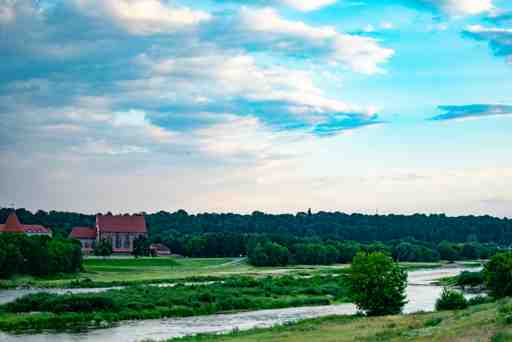

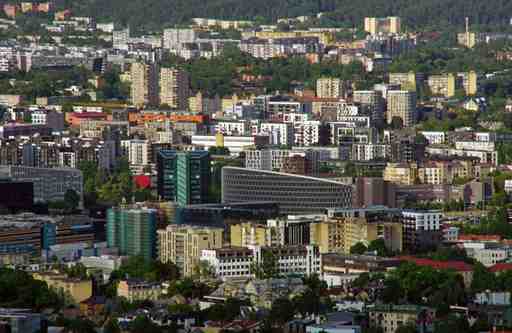

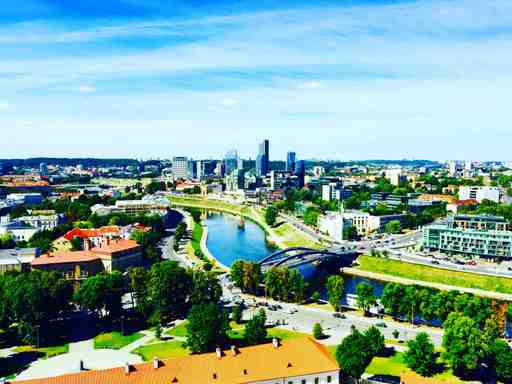
Loved by travellersThousands of tours started.
Thousands of tours started.
Plenty of opinions.
4.8 across the App Store and Google Play. Here's a few we keep coming back to.
starstarstarstarstar
This tour was such a great way to see the city. The stories were interesting without feeling too scripted, and I loved being able to explore at my own pace.

Jess
Tbilisi Tourstarstarstarstarstar
This was a solid way to get to know Brighton without feeling like a tourist. The narration had depth and context, but didn't overdo it.

Christoph
Brighton Tourstarstarstarstarstar
Started this tour with a croissant in one hand and zero expectations. The app just vibes with you, no pressure, just you, your headphones, and some cool stories.

John
Marseille Tourdownload Get the app Pop your headphones in.


Pop your headphones in.
Step outside.
Free to download. Tours in every city. Start in 60 seconds — no account, no card.

headphones
~ 4 min until your first tour starts
public
1,000+ cities worldwide
all_inclusive
AudaTours
Unlimited
Every tour. Every city. One subscription.
3097 tours2273 cities138 countries50+ languages
$39 /year
all_inclusive Explore Unlimited