
50+ languages

 Puebla · Mexico
 Puebla Audio Tours
Discover Puebla with self-guided audio walking tours
headphones
2 tours
pin_drop
20 landmarks
translate
Puebla tours
Pick a Puebla worth walking.
Self-guided audio tours written by people who actually live there.
2 tours

Puebla Highlights Audio Tour: Colonial Treasures and Baroque Wonders
Beneath the veneer of colonial charm and colorful tiles, Puebla hides a history soaked in gunpowder, gold, and blood. Every stone wall here has witnessed a revolution or a betrayal. Embark on this self-guided audio tour to navigate the city like an insider. Uncover the suppressed scandals and forgotten triumphs that remain invisible to the standard tourist gaze. Why was the gold leaf of the Rosary Chapel whispered to be the primary cause of a local uprising? What dark secret was hidden beneath the Zócalo when the city stood on the brink of total collapse? Did you know a single misplaced cannonball once decided the fate of an entire nation right where you are standing? Feel the pulse of history quicken as you traverse these haunting corridors. Transform your perspective on this majestic city. Plug in, press play, and finally uncover the truth behind the tiles.
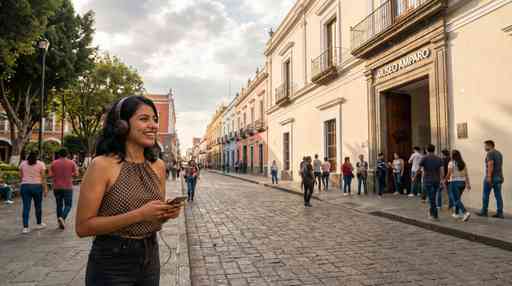
Puebla Audio Tour: An Audio Odyssey Through Time
Beneath Puebla’s pastel domes and golden chapels, secrets have lingered for centuries—painted on canvas, whispered from stone, pulsing through every ancient corridor. This self-guided audio tour pulls back the curtain, leading you through plazas and hidden corners where history was made and mysteries still echo. Find stories overlooked by most visitors. What priceless relic disappeared beneath the glimmering altars of the Chapel of the Rosary? How did political intrigue erupt within the shadowed halls of Puebla Cathedral? Which minor scandal shaped the destiny of a legendary painting in the Jose Luis Bello y Gonzalez Museum? Move from gilded baroque wonder to unexpected artistic rebellion. Trace lost footsteps over worn flagstones and into secret chambers. Each step reveals drama—moments when faith, power, and artistry collided to transform Puebla forever. Are you ready to unlock Puebla’s hidden depths? Begin your journey and let the city speak its secrets.
Top landmarks
The Puebla everyone knows.
The landmarks in every guidebook — and the tours that tell you what guidebooks don't.
A few words on Puebla
Baroque tiles, battle victories, and mole that changed Mexican cooking.
Puebla was founded in 1531 as a planned Spanish city, deliberately sited on a plain between Veracruz and Mexico City where no indigenous settlement existed, which was unusual and strategic. It grew into one of the wealthiest cities in New Spain, and the wealth shows: the cathedral on the zocalo was under construction for nearly a century and its twin towers are the tallest in Mexico. The entire historic center is UNESCO-listed and its 2,600 pre-Hispanic and colonial buildings make it one of the best-preserved baroque cities in the Americas, dressed in the distinctive Talavera-glazed tile work brought by Dominican monks from 16th-century Spain and then transformed into something entirely Mexican by local potters.
The Battle of Puebla on May 5, 1862, is where Mexican forces under General Ignacio Zaragoza defeated a better-equipped French army, which the French were certain was impossible.
France eventually took the city anyway and occupied Mexico City, but the date entered history as Cinco de Mayo, now celebrated with more fervor in the United States than in Mexico, where it is largely a regional holiday. In Puebla itself it is celebrated with military parades and genuine historical pride rather than margarita specials.
Puebla
Puebla FAQ
Before you walk.
The historic center is compact and designed for walking, with a clear grid pattern radiating from the main plaza. The cathedral, Barrio del Artista, Callejon de los Sapos antique market, and the Biblioteca Palafoxiana all lie within a few blocks of each other. Wear comfortable shoes as the colonial cobblestones are uneven.
ADO luxury buses run direct from the TAPO bus terminal in Mexico City to Puebla's CAPU bus terminal approximately every 30 minutes. The trip takes about 2 hours and costs a few dollars. Direct buses also run from Mexico City airport. Driving is also an option via the autopista toll road.
The historic center and the popular market areas are generally safe during daylight hours and are well-populated with tourists and locals. Keep standard urban vigilance in crowded markets. Walking at night in the central areas is usually fine but stick to well-lit streets.
Mole poblano at Fonda de Santa Clara or La Casita Mexicana is non-negotiable. In summer, chile en nogada is the definitive Puebla dish. Cemitas (sandwiches on sesame buns with chipotle and avocado) are perfect street food for mid-tour energy. The Mercado El Carmen has excellent food stalls.
Every Puebla tour, in your language.
All 50+ languages, included with every booking.
🇬🇧 English🇫🇷 Français🇪🇸 Español🇩🇪 Deutsch🇮🇹 Italiano🇯🇵 日本語🇨🇳 中文🇰🇷 한국어+ 41 more
star AudaTours Unlimited
Visiting more than one city? Subscribe.
Unlock every Puebla tour — plus thousands more worldwide. Cancel any time.
$4.99/week · Cancel anytime






Loved by travellersThousands of tours started.
Thousands of tours started.
Plenty of opinions.
4.8 across the App Store and Google Play. Here's a few we keep coming back to.
starstarstarstarstar
This tour was such a great way to see the city. The stories were interesting without feeling too scripted, and I loved being able to explore at my own pace.

Jess
Tbilisi Tourstarstarstarstarstar
This was a solid way to get to know Brighton without feeling like a tourist. The narration had depth and context, but didn't overdo it.

Christoph
Brighton Tourstarstarstarstarstar
Started this tour with a croissant in one hand and zero expectations. The app just vibes with you, no pressure, just you, your headphones, and some cool stories.

John
Marseille Tourdownload Get the app Pop your headphones in.


Pop your headphones in.
Step outside.
Free to download. Tours in every city. Start in 60 seconds — no account, no card.

headphones
~ 4 min until your first tour starts
public
1,000+ cities worldwide
all_inclusive
AudaTours
Unlimited
Every tour. Every city. One subscription.
3097 tours2273 cities138 countries50+ languages
$39 /year
all_inclusive Explore Unlimited