
50+ languages

 Chisinau · Moldova
 Chisinau Audio Tours
Discover Chisinau with self-guided audio walking tours
headphones
2 tours
pin_drop
20 landmarks
translate
Chisinau tours
Pick a Chisinau worth walking.
Self-guided audio tours written by people who actually live there.
2 tours
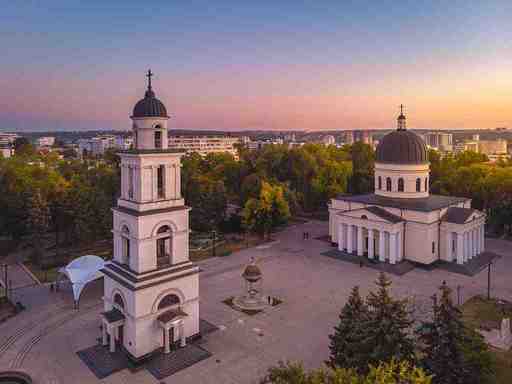
Chisinau Highlights Audio Tour: Cultural Heart of Moldova
Beneath the crumbling neoclassical facades of Chișinău lies a capital forged in fire, betrayal, and quiet defiance. This city wears its history like a scarred tapestry, hiding secrets behind iron gates and weathered stone. Grab your phone and transform a simple walk into an immersive self guided audio journey. Uncover the layers of drama that ordinary guidebooks ignore while wandering from the serene Saint Theodora Church to the halls of the National History Museum and the rare treasures at the National Museum of Ethnography. Why did a local legend choose to die within the walls of a sanctuary? What vanished political manifesto still haunts the basement archives of the city center? Can you identify the exact spot where a secret rebellion was silenced by a single glass of wine? Navigate the shadows of political intrigue and ancient folklore. Leave with a sharpened vision of a city reborn. Press play to start your descent into the heart of Chișinău.
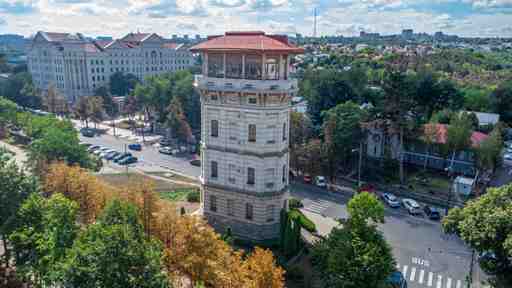
Chisinau Audio Tour: A Chisinau Heritage Expedition
Beneath the leafy boulevards and ornate facades of Chișinău, legends simmer just beneath the surface waiting for bold explorers to peel back the layers. This self-guided audio tour unlocks secret stories and hidden corners across grand theatres, mysterious mansions, and dazzling domes that most visitors only glimpse in passing. Why did construction on the city’s most ambitious theatre halt overnight—was it sabotage or something stranger? Which vanished sculpture sparked rumors of a forgotten artistic rivalry? And what secrets still swirl inside the Inglezi mansion’s shadowy basement chambers? Move through shifting eras of political intrigue and scandal. Hear laughter echo from 19th-century banquets, feel the hush before centuries-old curtains rise, and see Chișinău reveal its rebellious heart with each step. Suddenly every corner crackles with dramatic tension. Ready to trade ordinary sightseeing for epic discovery? Dive into Chișinău’s real story now.
Top landmarks
The Chisinau everyone knows.
The landmarks in every guidebook — and the tours that tell you what guidebooks don't.
A few words on Chisinau
Europe's least-visited capital has some explaining to do.
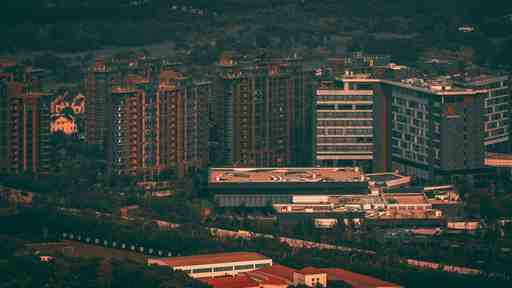
Chisinau was first documented in 1436 and spent most of its history shifting between Moldovan princes, Ottoman suzerains, and the Russian Empire before becoming a Soviet capital in 1940. The city was almost completely destroyed in World War II under Nazi occupation and Soviet bombing, which is why the centre is largely post-war Soviet construction, wide boulevards, pastel-painted apartment blocks, and parks that were laid out with a grandness the current population cannot quite fill. The Italian-Swiss-Russian architect Alexander Bernardazzi designed several of the city's finest surviving 19th-century buildings including the City Hall on the central square.
What makes Chisinau worth attention in 2025 is what is happening to it, not what already happened.
Young Moldovans who might once have left for Bucharest or Berlin are staying, opening wine bars, record shops, and galleries in the Soviet-era apartments around Stefan cel Mare Boulevard. Moldova is one of Europe's great wine regions, with a winemaking tradition going back at least 3,000 years and a wine festival every October in Chisinau that fills the city with the kind of exuberance that suggests a country finally betting on itself. The Cricova wine cellar outside the city, with 120 kilometres of underground tunnels, is a plausible candidate for the strangest wine experience in the world.
Chisinau
Chisinau FAQ
Before you walk.
Citizens of the EU, US, UK, Canada, Australia, and many other countries can enter Moldova visa-free for 90 days. The entry requirement since 2023 is a valid passport. Check current requirements as Moldova's EU accession process may bring changes to border arrangements.
The central area around Stefan cel Mare Boulevard and the National History Museum is very walkable. Trolleybuses and minibuses called rutiere cover the rest of the city cheaply. Taxis and ride-hailing apps are inexpensive by Western European standards. The city is largely flat which makes walking easy.
Mamaliga, a thick cornmeal porridge similar to polenta, is the staple food, typically served with sour cream and cheese or alongside meat stews. Zeama, a chicken soup with noodles and lemon, is the comfort food of the country. Moldovan wine is the real draw, and spending an evening at one of the new wine bars on Stefan cel Mare trying local varieties costs a fraction of what the same bottles would cost in Western Europe.
Yes, for anyone interested in wine or just in extraordinary underground spaces. Cricova has 120 kilometres of limestone tunnels carved from old quarries, now used for wine aging at constant temperatures, and the collection includes bottles going back to the early 20th century. Tours run in small electric vehicles through the tunnels and include tastings. It is about 20 minutes from central Chisinau by taxi.
Every Chisinau tour, in your language.
All 50+ languages, included with every booking.
🇬🇧 English🇫🇷 Français🇪🇸 Español🇩🇪 Deutsch🇮🇹 Italiano🇯🇵 日本語🇨🇳 中文🇰🇷 한국어+ 41 more
star AudaTours Unlimited
Visiting more than one city? Subscribe.
Unlock every Chisinau tour — plus thousands more worldwide. Cancel any time.
$4.99/week · Cancel anytime

More in Moldova
Explore Moldova arrow_forwardOther cities to walk in Moldova.




Loved by travellersThousands of tours started.
Thousands of tours started.
Plenty of opinions.
4.8 across the App Store and Google Play. Here's a few we keep coming back to.
starstarstarstarstar
This tour was such a great way to see the city. The stories were interesting without feeling too scripted, and I loved being able to explore at my own pace.

Jess
Tbilisi Tourstarstarstarstarstar
This was a solid way to get to know Brighton without feeling like a tourist. The narration had depth and context, but didn't overdo it.

Christoph
Brighton Tourstarstarstarstarstar
Started this tour with a croissant in one hand and zero expectations. The app just vibes with you, no pressure, just you, your headphones, and some cool stories.

John
Marseille Tourdownload Get the app Pop your headphones in.


Pop your headphones in.
Step outside.
Free to download. Tours in every city. Start in 60 seconds — no account, no card.

headphones
~ 4 min until your first tour starts
public
1,000+ cities worldwide
all_inclusive
AudaTours
Unlimited
Every tour. Every city. One subscription.
3097 tours2273 cities138 countries50+ languages
$39 /year
all_inclusive Explore Unlimited