
50+ languages

 Maputo · Mozambique
 Maputo Audio Tours
Discover Maputo with self-guided audio walking tours
headphones
2 tours
pin_drop
9 landmarks
translate
Maputo tours
Pick a Maputo worth walking.
Self-guided audio tours written by people who actually live there.
2 tours

Maputo Highlights Audio Tour: Architectural Wonders
Maputo hides a volatile heart beneath its crumbling colonial facades and sun-drenched squares. Beyond the postcard views of the Cathedral of Our Lady of the Immaculate Conception lies a city forged in the fire of revolution and colonial greed. Experience this self-guided audio tour to peel back the layers of history that most travelers walk past without a second glance. Unlock the secrets of the Yellow House and the grand Maputo City Hall through untold stories of power and betrayal. Did a ruthless betrayal take place behind these silent, ornate walls? Which forgotten ghost still haunts the seat of local government? Why does a specific local statue face away from the rising sun? Traverse these streets to witness the collision of past and present. Feel the pulse of a city that never truly rests. Start your journey now and finally see what Maputo has been hiding.
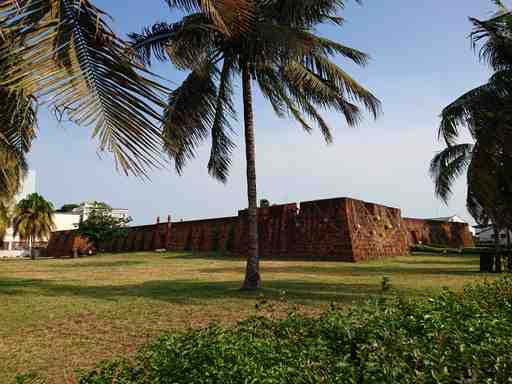
Maputo Audio Tour: Fortresses, Gardens, and the Heartbeat of Independence
A cannon once echoed across Maputo’s shore, yet the stones of Fort Nossa Senhora da Conceição whisper secrets few have heard. This is a city layered with lost rebellions, silent prayers, and elegant façades hiding unspoken dramas. Set out on a self-guided audio adventure that reveals Maputo’s untold stories and hidden corners, far from the typical tourist path. Why did a single night inside the ancient fort change the fate of an entire colony? What hushed intrigue shaped the stained glass inside the Cathedral of Our Lady of the Immaculate Conception? And whose shadow lingers in forbidden passages beneath the Roman Catholic Archdiocese? Move from battlements to sunlit plazas as waves of history and mystery carry you into Maputo’s spirited heart. Each step uncovers another layer of defiance and devotion in the city’s living tapestry. Listen close. The deeper Maputo awaits—will you answer its call?
Top landmarks
The Maputo everyone knows.
The landmarks in every guidebook — and the tours that tell you what guidebooks don't.
A few words on Maputo
The Pearl of the Indian Ocean is still polishing itself.
Maputo grew from a Portuguese fort established on Delagoa Bay in 1781, named Lourenco Marques after the 16th-century navigator. The British wanted it, the Boers fought over it, and the Portuguese held it until 1975, when Mozambican independence renamed it Maputo after the local river. The new country immediately inherited a civil war that lasted until 1992 and left much of the city's infrastructure in the condition of a building mid-renovation: partially destroyed, partially rebuilt, with layers of different eras visible simultaneously. This history is not a warning, it is the city's most interesting quality.
The wide avenues lined with jacaranda and acacia trees that earned Maputo the nickname 'City of Acacias' are a Portuguese colonial legacy that the city chose to keep, and in November when the jacarandas bloom purple across the Avenida Julius Nyerere and the Avenida Samora Machel, the effect is genuinely beautiful.
The Maputo Railway Station, completed in 1910 to a design attributed to the studio of Gustave Eiffel, is an Art Nouveau confection of wrought iron and curved glass whose main hall is still functioning as an active train terminal. The Mercado Central on Avenida 25 de Setembro is a covered market of the highest noise and energy, selling everything from fresh fish to printed capulana fabric to the specific chaos of a tropical city still figuring out what it wants to be.
Maputo
Maputo FAQ
Before you walk.
The Baixa (city center), Polana, and Sommerschield neighborhoods are generally safe during the day. Keep valuables out of view, maintain situational awareness in the central market area, and avoid walking alone after dark in unfamiliar areas. The city is not as dangerous as its reputation sometimes suggests, but standard caution applies.
Taxis and rideshare apps (Uber operates in Maputo) are the most reliable options. Chapas (minibus taxis) are cheap and authentic but routes require local knowledge. The central sights are close enough together that walking between the Railway Station, Mercado Central, and Independence Square is straightforward.
Most nationalities require a visa to enter Mozambique. Visas on arrival are available for many passport holders at Maputo International Airport. Check current requirements for your nationality well before travel as policies can change. The process is usually straightforward and takes about 30 minutes.
Peri-peri prawns or grilled camarao from any of the restaurants along the waterfront or in the Polana area is non-negotiable. Matapa (cassava leaves with peanut sauce and prawns) is a traditional Mozambican dish worth seeking out. Pao fresco, the soft Portuguese-style bread roll, makes an excellent mid-tour snack from any street bakery.
Every Maputo tour, in your language.
All 50+ languages, included with every booking.
🇬🇧 English🇫🇷 Français🇪🇸 Español🇩🇪 Deutsch🇮🇹 Italiano🇯🇵 日本語🇨🇳 中文🇰🇷 한국어+ 41 more
star AudaTours Unlimited
Visiting more than one city? Subscribe.
Unlock every Maputo tour — plus thousands more worldwide. Cancel any time.
$4.99/week · Cancel anytime

Loved by travellersThousands of tours started.
Thousands of tours started.
Plenty of opinions.
4.8 across the App Store and Google Play. Here's a few we keep coming back to.
starstarstarstarstar
This tour was such a great way to see the city. The stories were interesting without feeling too scripted, and I loved being able to explore at my own pace.

Jess
Tbilisi Tourstarstarstarstarstar
This was a solid way to get to know Brighton without feeling like a tourist. The narration had depth and context, but didn't overdo it.

Christoph
Brighton Tourstarstarstarstarstar
Started this tour with a croissant in one hand and zero expectations. The app just vibes with you, no pressure, just you, your headphones, and some cool stories.

John
Marseille Tourdownload Get the app Pop your headphones in.


Pop your headphones in.
Step outside.
Free to download. Tours in every city. Start in 60 seconds — no account, no card.

headphones
~ 4 min until your first tour starts
public
1,000+ cities worldwide
all_inclusive
AudaTours
Unlimited
Every tour. Every city. One subscription.
3097 tours2273 cities138 countries50+ languages
$39 /year
all_inclusive Explore Unlimited