
50+ languages

 Kathmandu · Nepal
 Kathmandu Audio Tours
Discover Kathmandu with self-guided audio walking tours
headphones
2 tours
pin_drop
20 landmarks
translate
Kathmandu tours
Pick a Kathmandu worth walking.
Self-guided audio tours written by people who actually live there.
2 tours
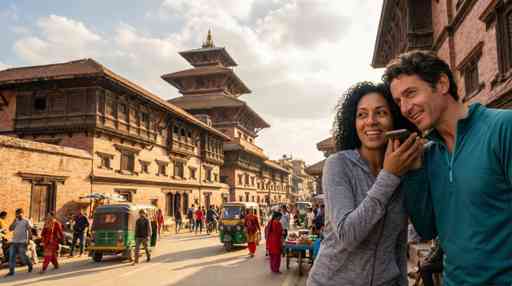
Kathmandu Highlights Audio Tour: The Cultural Heart
A single bullet hole in a palace wall marks the end of a monarchy and the beginning of a nation's fractured soul. Kathmandu hides its scars behind gilded temples and quiet courtyards. Download this self-guided audio tour to navigate the city like a local insider. Decode the secrets behind ancient wood carvings and cold throne rooms that casual tourists constantly walk past. Why did the bells of Kasthamandap fall silent during the night of the royal massacre? What forgotten pact keeps the Kumari hidden from the eyes of men? How many layers of blood and gold are buried beneath the floorboards of Hanuman Dhoka? Stride through narrow alleys where rebellions once simmered and empires crumbled into dust. Feel the weight of history shifting beneath your boots as the city reveals its true, unfiltered face. Uncover the truth waiting behind the bullet hole. Start your journey now.
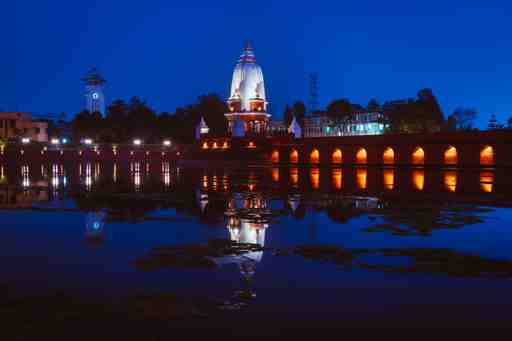
Kathmandu Audio Tour: The Essence of Kathmandu
A white tower once sliced the Kathmandu skyline, shrouded in triumph and tragedy—yet how many notice the scars it left behind? Beneath the surface of bustling traffic and ancient stones, the city pulses with secrets that rarely reach the guidebooks. This self-guided audio tour unlocks layers of history and hidden stories. Trace a path where rebels challenged kingdoms, sacred waters concealed desperate vows, and hospital corridors bore witness to scandals that shook a nation. Which forbidden message thundered from the heart of Dharahara moments before disaster? Who vanished by moonlight beside Rani Pokhari’s mirrored water? And why did one surgeon leave his hat behind at Bir Hospital for thirty years? Walk these avenues as scenes shift from intrigue to awe. Dive into untold dramas and see Kathmandu transform at every turn—restless, radiant, endlessly unpredictable. The city is waiting for someone who dares to look deeper. Press play and begin the unraveling.
Top landmarks
The Kathmandu everyone knows.
The landmarks in every guidebook — and the tours that tell you what guidebooks don't.
A few words on Kathmandu
Where gods share the streets with motorcycles.
Kathmandu sits in a valley at 1,400 metres, surrounded by hills and closer to the Himalaya than any other city of its size. The old city core around Durbar Square predates most European capitals, with temples, palaces, and courtyards that accumulate over centuries the way sediment does in a river. Kumari Chowk houses the living goddess, a young girl selected through an ancient ritual who makes periodic appearances at her window, and this perfectly encapsulates Kathmandu: the ancient and the everyday occupying exactly the same space.
The 2015 earthquake destroyed or damaged more than 700 monuments and killed nearly 9,000 people across Nepal, and the scars of that event are still visible in scaffolding around Durbar Square and in the rebuilt neighborhoods of Bhaktapur and Patan, which are technically separate cities in the valley but function as Kathmandu's outer rings.
Thamel, the tourist district, is useful for supplies and has good bookshops, but the real city is in the lanes of Asan, where spice sellers, metalworkers, and flower vendors operate in the shadow of temples that predate the Mughals.
Kathmandu
Kathmandu FAQ
Before you walk.
Kathmandu has significant air pollution, particularly in the dry season and during traffic-heavy mornings. If you are sensitive to air quality, bring a quality mask and plan walks for morning before traffic peaks or after rain which clears the air significantly. The valley geography traps pollution in certain conditions.
Most nationalities require a visa, which can be obtained on arrival at Tribhuvan International Airport or at land borders. Tourist visas are available for 15, 30, or 90 days. The fee is paid in USD cash or card. Some countries including India and China have different arrangements.
The old city lanes are narrow, uneven, and often unpaved, with some steep sections especially in areas like Swayambhunath hill. Sturdy shoes with good soles are essential. The valley floor is generally flat, but many of the key temples are on hills requiring a climb. After the 2015 earthquake, some areas have uneven rebuilding underway.
Momo, steamed dumplings filled with buffalo meat or vegetables, are the signature Kathmandu street food. Dal bhat, a lentil soup with rice and vegetable sides, is the national meal eaten twice daily by most Nepalis. The Thamel area has good restaurants, but for the most authentic food look for small dal bhat joints off the main streets where locals eat.
Every Kathmandu tour, in your language.
All 50+ languages, included with every booking.
🇬🇧 English🇫🇷 Français🇪🇸 Español🇩🇪 Deutsch🇮🇹 Italiano🇯🇵 日本語🇨🇳 中文🇰🇷 한국어+ 41 more
star AudaTours Unlimited
Visiting more than one city? Subscribe.
Unlock every Kathmandu tour — plus thousands more worldwide. Cancel any time.
$4.99/week · Cancel anytime

Loved by travellersThousands of tours started.
Thousands of tours started.
Plenty of opinions.
4.8 across the App Store and Google Play. Here's a few we keep coming back to.
starstarstarstarstar
This tour was such a great way to see the city. The stories were interesting without feeling too scripted, and I loved being able to explore at my own pace.

Jess
Tbilisi Tourstarstarstarstarstar
This was a solid way to get to know Brighton without feeling like a tourist. The narration had depth and context, but didn't overdo it.

Christoph
Brighton Tourstarstarstarstarstar
Started this tour with a croissant in one hand and zero expectations. The app just vibes with you, no pressure, just you, your headphones, and some cool stories.

John
Marseille Tourdownload Get the app Pop your headphones in.


Pop your headphones in.
Step outside.
Free to download. Tours in every city. Start in 60 seconds — no account, no card.

headphones
~ 4 min until your first tour starts
public
1,000+ cities worldwide
all_inclusive
AudaTours
Unlimited
Every tour. Every city. One subscription.
3097 tours2273 cities138 countries50+ languages
$39 /year
all_inclusive Explore Unlimited