
50+ languages

 Lahore · Pakistan
 Lahore Audio Tours
Discover Lahore with self-guided audio walking tours
headphones
2 tours
pin_drop
20 landmarks
translate
Lahore tours
Pick a Lahore worth walking.
Self-guided audio tours written by people who actually live there.
2 tours
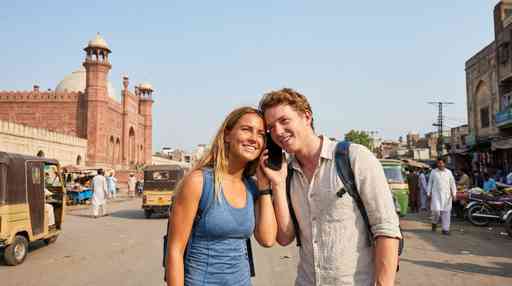
Lahore Audio Tour: A Journey Through Time and Heritage.
On a humid summer night in Lahore, an emperor once watched rebellion flicker from the walls while dancers spun secrets behind heavy doors. There are centuries of drama etched into these stones—stories easy to overlook yet impossible to forget. This self-guided audio tour is your invitation to unravel the hidden layers of the Walled City. Move at your own pace and discover the rivalries, betrayals, and beauty most visitors miss. Who smuggled forbidden letters beneath the arches of Heera Mandi when war shadows crept across Lahore Fort? Which vanished royal feast set tongues wagging—and toppled a dynasty—in a single evening? Why does an ancient mural in the Shahi Qila depict a scene so peculiar that guides lower their voices? Trace narrow alleys ablaze with memories. Cross gateways where history clings like jasmine and scandal echoes from secret courtyards. Let Lahore reshape itself under your feet. Ready to push back the curtain and step inside Lahore’s best-kept stories?
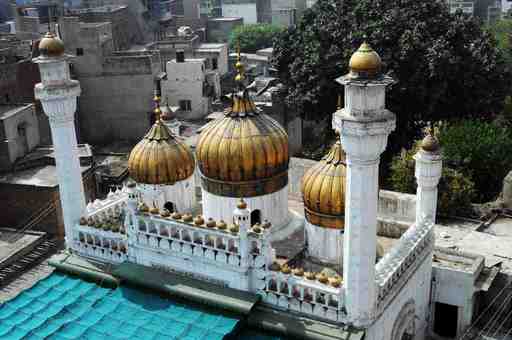
Lahore Highlights Audio Tour: Walled City Wonders
Beneath the bustling streets of Lahore lie centuries of blood, gold, and secrets buried deep within the terracotta walls of the Walled City. Unlock the layers of history with this self guided audio tour. Navigate the ancient corridors of the Begum Shahi, Sunehri, and Wazir Khan mosques to uncover stories that disappear from standard guidebooks. Which hidden chamber held the gold that ignited a bloody political rebellion? What whispered scandal once stained the pristine tiles of a royal sanctuary? Why is there a single mismatched pillar standing silent in the Sunehri Mosque courtyard? Experience the rhythmic pulse of Lahore as you drift through crowded bazaars and echo filled prayer halls. Feel the weight of forgotten empires under your feet. Transform your wanderings into a dramatic exploration of power and intrigue. Plug in your headphones and begin your descent into the heart of history today.
Top landmarks
The Lahore everyone knows.
The landmarks in every guidebook — and the tours that tell you what guidebooks don't.
A few words on Lahore
Mughals built it. Everyone else just kept adding.
Lahore was the Mughal Empire's second city and its cultural soul. The emperors who made it -- Akbar, Jahangir, Shah Jahan, Aurangzeb -- left behind a collection of monuments that is simply staggering to walk through. The Lahore Fort and Shalimar Gardens are jointly listed as a UNESCO World Heritage Site; the Badshahi Mosque, completed in 1673 under Aurangzeb's orders, was for a century the largest mosque in the world. The Walled City still has gates bearing the names of Mughal nobles, and the Anarkali Bazaar -- named for a court dancer allegedly entombed alive by Emperor Akbar -- is reputedly the oldest bazaar on the subcontinent still in operation. Rudyard Kipling set the novel Kim here, which is the kind of literary endorsement that sticks.
The food of Lahore is Punjabi cooking at its most uncompromising: nihari (spiced stew slow-cooked through the night), seekh kebabs from the coal fires of Food Street on Fort Road, and paya (braised trotters) eaten at breakfast from restaurants that open at dawn specifically for this purpose.
Lahore operates with the confidence of a city that was magnificent before most European capitals were planned -- and knows it.
Lahore
Lahore FAQ
Before you walk.
The Lahore Metro Bus and Orange Line Metro serve several points near the historic center. Rickshaws and ride-share apps (Uber and Careem both operate) reach the Delhi Gate and Roshnai Gate areas easily. Most of the Walled City is best explored on foot or by rickshaw through its narrower lanes, where larger vehicles cannot enter.
The historic center around the Lahore Fort, Badshahi Mosque, and Walled City is well-frequented by tourists and generally safe during the day. Stay aware of traffic in the busier bazaar streets. Evening visits to the Wagah Border ceremony (30 kilometers from the city) and the light-and-sound area near the mosque bring additional crowds that require the usual market vigilance.
Food Street near the Lahore Fort is the curated version of Lahore dining, with traditional restaurants in restored havelis serving karahi, biryani, and seekh kebab. For the more authentic experience, the area around Gawalmandi (the traditional food district) and the nihari restaurants around Lohari Gate that open at 4am are worth the trip. Shahi tukray (bread pudding in saffron cream) is the Lahori dessert of note.
Modest dress is appropriate throughout the city and required at religious sites. Women should cover hair and legs when entering mosques; men should remove shoes and preferably wear long trousers. During summer, lightweight, loose clothing is essential. In winter, Lahore mornings can be genuinely cold, so layering is advisable. Comfortable flat shoes are best given the Walled City's stone and brick paving.
Every Lahore tour, in your language.
All 50+ languages, included with every booking.
🇬🇧 English🇫🇷 Français🇪🇸 Español🇩🇪 Deutsch🇮🇹 Italiano🇯🇵 日本語🇨🇳 中文🇰🇷 한국어+ 41 more
star AudaTours Unlimited
Visiting more than one city? Subscribe.
Unlock every Lahore tour — plus thousands more worldwide. Cancel any time.
$4.99/week · Cancel anytime

More in Pakistan
Explore Pakistan arrow_forwardOther cities to walk in Pakistan.


Loved by travellersThousands of tours started.
Thousands of tours started.
Plenty of opinions.
4.8 across the App Store and Google Play. Here's a few we keep coming back to.
starstarstarstarstar
This tour was such a great way to see the city. The stories were interesting without feeling too scripted, and I loved being able to explore at my own pace.

Jess
Tbilisi Tourstarstarstarstarstar
This was a solid way to get to know Brighton without feeling like a tourist. The narration had depth and context, but didn't overdo it.

Christoph
Brighton Tourstarstarstarstarstar
Started this tour with a croissant in one hand and zero expectations. The app just vibes with you, no pressure, just you, your headphones, and some cool stories.

John
Marseille Tourdownload Get the app Pop your headphones in.


Pop your headphones in.
Step outside.
Free to download. Tours in every city. Start in 60 seconds — no account, no card.

headphones
~ 4 min until your first tour starts
public
1,000+ cities worldwide
all_inclusive
AudaTours
Unlimited
Every tour. Every city. One subscription.
3097 tours2273 cities138 countries50+ languages
$39 /year
all_inclusive Explore Unlimited