
50+ languages

 Kosice · Slovakia
 Kosice Audio Tours
Discover Kosice with self-guided audio walking tours
headphones
2 tours
pin_drop
20 landmarks
translate
Kosice tours
Pick a Kosice worth walking.
Self-guided audio tours written by people who actually live there.
2 tours
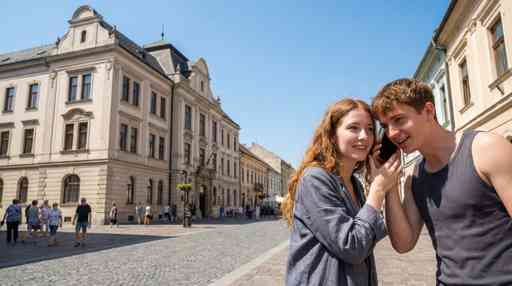
Kosice Highlights Audio Tour: Architectural Treasures
Beneath the cobblestones of Košice lie centuries of blood, ambition, and secrets waiting for a witness. This is not just another city walk. It is an immersive, self-guided audio journey designed to peel back the polished facade of the National Theatre and the Singing Fountain to reveal the jagged history hidden underneath. Which noble family vanished overnight after a catastrophic political scandal? What dark pact was sealed beneath the shadow of the Immaculata? Why did a single misplaced decree force the entire city to hold its breath for three days? Traverse through the heart of Europe where empires clashed and legends were forged. Feel the weight of forgotten rebellions and the thrill of clandestine meetings as you navigate the narrow alleys. Transform your perspective of the city into a living map of drama. Uncover the truth hidden in plain sight. Start your journey into the past now.
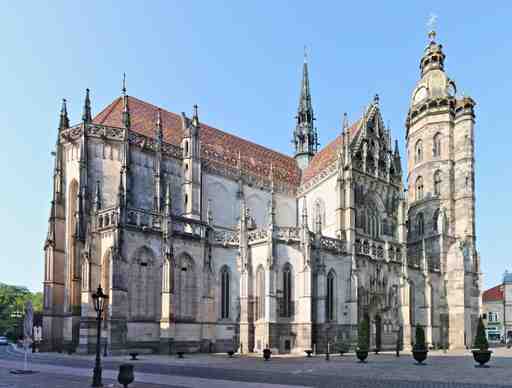
Kosice Audio Tour: A Journey Through Košice's Timeless Treasures
Beneath Košice’s vibrant streets lies a tangled web of power struggles and whispered secrets, where Gothic spires touch the sky and fountains burst into unexpected song. Set out on a self-guided audio tour that reveals the stories hidden between iconic stones and bustling squares. Find the legends other visitors overlook as you walk at your own pace. Which scandal once threatened to shake the very foundation of St. Elizabeth’s Cathedral? Why do some say the Singing Fountain never sounds quite the same twice in one night? What oddly specific argument led to heated debate in the corridors of the Constitutional Court? Wander from breathtaking archways to lyrical waters, tracing a path where rebellion, intrigue, and forgotten moments come alive around every corner. See Košice through fresh eyes as layers of history unfold beneath your feet. Your journey into Košice’s secret side starts now—will you dare to listen?
Top landmarks
The Kosice everyone knows.
The landmarks in every guidebook — and the tours that tell you what guidebooks don't.
A few words on Kosice
Slovakia's eastern capital, surprisingly well-preserved.
Košice is not the city most people visit first in Slovakia, and that is their mistake. The Cathedral of St. Elizabeth -- Slovakia's largest church, and the easternmost Gothic cathedral of the western architectural tradition in all of Central Europe -- anchors a Main Street so intact that historians use it as a teaching example. Gothic palaces, Renaissance houses, Baroque facades, and Art Nouveau buildings line Hlavná ulica in a continuous parade that has survived the Ottomans, the Habsburgs, and the Cold War. In 1369 the city received a royal grant of its own coat of arms, making it the first settlement in Europe to be given one.
Košice sits twenty kilometers from Hungary and eighty from Ukraine, which has given it a character that is always slightly more Central European and less central-Slovak than Bratislava.
The Hungarian minority is significant, Hungarian is spoken on the street, and the city's cultural calendar has historically swung between Slavic and Magyar influences. In 2013 it held European Capital of Culture status alongside Marseille, which generated a wave of arts infrastructure and post-industrial renovation that permanently changed the neighborhoods around the old iron works. The Cassovia walking zone extends for over a kilometer along the old main street -- one of the longest pedestrian zones in Central Europe.
Kosice
Kosice FAQ
Before you walk.
Košice has its own international airport with connections to Prague, Vienna, Warsaw, and some Western European cities. By rail, it is about 5 hours from Bratislava and well connected to Budapest (around 3 hours). The train station is a short walk from the historic center.
Very. The historic center is flat and entirely pedestrian-friendly, with the Cathedral of St. Elizabeth, the State Theater, and the main museums all accessible on foot within the car-free zone. The city does not require a car or even a tram for most of the tour routes.
Yes, Košice is a quiet and safe city by European standards. The historic center is well-lit and populated into the evening. It is one of the more relaxed places to explore in Central Europe, with none of the pickpocket pressure of bigger tourist destinations.
Slovak cuisine is hearty and potato-forward -- bryndzové halušky (dumplings with sheep's cheese) is the national dish and done well in most traditional restaurants. The city also has strong Hungarian culinary influences, so goulash and lángos (fried dough) appear on many menus. Coffee culture is strong along the Hlavná pedestrian zone.
Every Kosice tour, in your language.
All 50+ languages, included with every booking.
🇬🇧 English🇫🇷 Français🇪🇸 Español🇩🇪 Deutsch🇮🇹 Italiano🇯🇵 日本語🇨🇳 中文🇰🇷 한국어+ 41 more
star AudaTours Unlimited
Visiting more than one city? Subscribe.
Unlock every Kosice tour — plus thousands more worldwide. Cancel any time.
$4.99/week · Cancel anytime




Loved by travellersThousands of tours started.
Thousands of tours started.
Plenty of opinions.
4.8 across the App Store and Google Play. Here's a few we keep coming back to.
starstarstarstarstar
This tour was such a great way to see the city. The stories were interesting without feeling too scripted, and I loved being able to explore at my own pace.

Jess
Tbilisi Tourstarstarstarstarstar
This was a solid way to get to know Brighton without feeling like a tourist. The narration had depth and context, but didn't overdo it.

Christoph
Brighton Tourstarstarstarstarstar
Started this tour with a croissant in one hand and zero expectations. The app just vibes with you, no pressure, just you, your headphones, and some cool stories.

John
Marseille Tourdownload Get the app Pop your headphones in.


Pop your headphones in.
Step outside.
Free to download. Tours in every city. Start in 60 seconds — no account, no card.

headphones
~ 4 min until your first tour starts
public
1,000+ cities worldwide
all_inclusive
AudaTours
Unlimited
Every tour. Every city. One subscription.
3097 tours2273 cities138 countries50+ languages
$39 /year
all_inclusive Explore Unlimited