
50+ languages

 Johannesburg · South Africa
 Johannesburg Audio Tours
Discover Johannesburg with self-guided audio walking tours
headphones
1 tours
pin_drop
20 landmarks
translate
Johannesburg tours
Pick a Johannesburg worth walking.
Self-guided audio tours written by people who actually live there.
1 tours
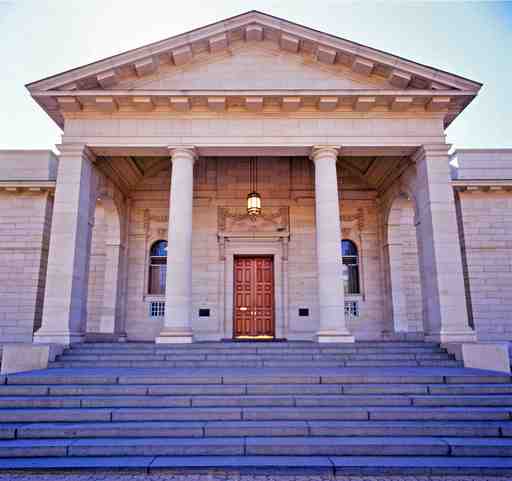
Top landmarks
The Johannesburg everyone knows.
The landmarks in every guidebook — and the tours that tell you what guidebooks don't.
A few words on Johannesburg
Gold brought it here. The rest is complicated.
Johannesburg did not exist before 1886, when a prospector named George Harrison found gold-bearing rock on a farm called Langlaagte on the Witwatersrand ridge. Within ten years, 100,000 people had arrived. Within fifty, the apartheid government had used the city's spatial organization as an instrument of racial control -- Soweto, the township to the southwest, was not a name but an acronym: South Western Townships, a designation for areas where Black workers could labor in the city but were prohibited from living in it freely. The 1976 Soweto Uprising, when schoolchildren protesting compulsory Afrikaans instruction were met with live ammunition, became one of the defining events of the liberation struggle.
Today, Vilakazi Street in Soweto holds the former homes of both Nelson Mandela and Desmond Tutu -- the only street in the world to have housed two Nobel Peace Prize laureates -- and it receives visitors with a directness about history that is characteristically Johannesburg.
The Maboneng district in the inner city has been the focal point of urban renewal for the past decade, full of galleries, design studios, and restaurants occupying warehouses that were written off completely fifteen years ago. The Constitutional Court, built in 2004 on the grounds of the Old Fort prison where both Gandhi and Mandela were held, is one of the most architecturally and symbolically loaded buildings on the continent. Johannesburg is not an easy city, but it is an honest one.
Johannesburg
Johannesburg FAQ
Before you walk.
Johannesburg is a car-oriented city and requires planning for transit between areas. The Gautrain rail links the airport to Sandton and the CBD, and the Rea Vaya BRT bus system covers central routes including to Soweto. For Maboneng and the Constitution Hill area, taxis or ride-share (Uber and Bolt both operate reliably) are the practical choice. Each district is walkable within itself once you arrive.
Safety varies significantly by area. Maboneng, Sandton, the Rosebank arts district, and Vilakazi Street in Soweto are all considered manageable for visitors during the day with normal urban awareness. The CBD has improved but still requires attention, particularly with valuables. Avoid walking alone in any area after dark, use Uber for evening transport, and follow advice from your accommodation about current conditions.
Braai (South African barbecue) is the cultural institution -- the communal grilling of boerewors (coiled beef sausage), lamb chops, and chicken that happens in backyards and parks on weekends. In Soweto, umngqusho (dried corn and bean stew) and traditional meat dishes at family restaurants on Vilakazi Street are authentic. The Neighbourgoods Market at Braamfontein on Saturdays concentrates the city's food scene in one location.
Constitution Hill (Old Fort and Constitutional Court), the Apartheid Museum near Gold Reef City, Vilakazi Street and the Mandela House Museum in Soweto, and the Maboneng Precinct in the CBD are the four sites that together give a coherent picture of the city's history and present. Each works as a self-contained half-day visit; trying to do all four in one day is possible but rushed.
Every Johannesburg tour, in your language.
All 50+ languages, included with every booking.
🇬🇧 English🇫🇷 Français🇪🇸 Español🇩🇪 Deutsch🇮🇹 Italiano🇯🇵 日本語🇨🇳 中文🇰🇷 한국어+ 41 more
star AudaTours Unlimited
Visiting more than one city? Subscribe.
Unlock every Johannesburg tour — plus thousands more worldwide. Cancel any time.
$4.99/week · Cancel anytime

More in South Africa
Explore South Africa arrow_forwardOther cities to walk in South Africa.


Loved by travellersThousands of tours started.
Thousands of tours started.
Plenty of opinions.
4.8 across the App Store and Google Play. Here's a few we keep coming back to.
starstarstarstarstar
This tour was such a great way to see the city. The stories were interesting without feeling too scripted, and I loved being able to explore at my own pace.

Jess
Tbilisi Tourstarstarstarstarstar
This was a solid way to get to know Brighton without feeling like a tourist. The narration had depth and context, but didn't overdo it.

Christoph
Brighton Tourstarstarstarstarstar
Started this tour with a croissant in one hand and zero expectations. The app just vibes with you, no pressure, just you, your headphones, and some cool stories.

John
Marseille Tourdownload Get the app Pop your headphones in.


Pop your headphones in.
Step outside.
Free to download. Tours in every city. Start in 60 seconds — no account, no card.

headphones
~ 4 min until your first tour starts
public
1,000+ cities worldwide
all_inclusive
AudaTours
Unlimited
Every tour. Every city. One subscription.
3097 tours2273 cities138 countries50+ languages
$39 /year
all_inclusive Explore Unlimited