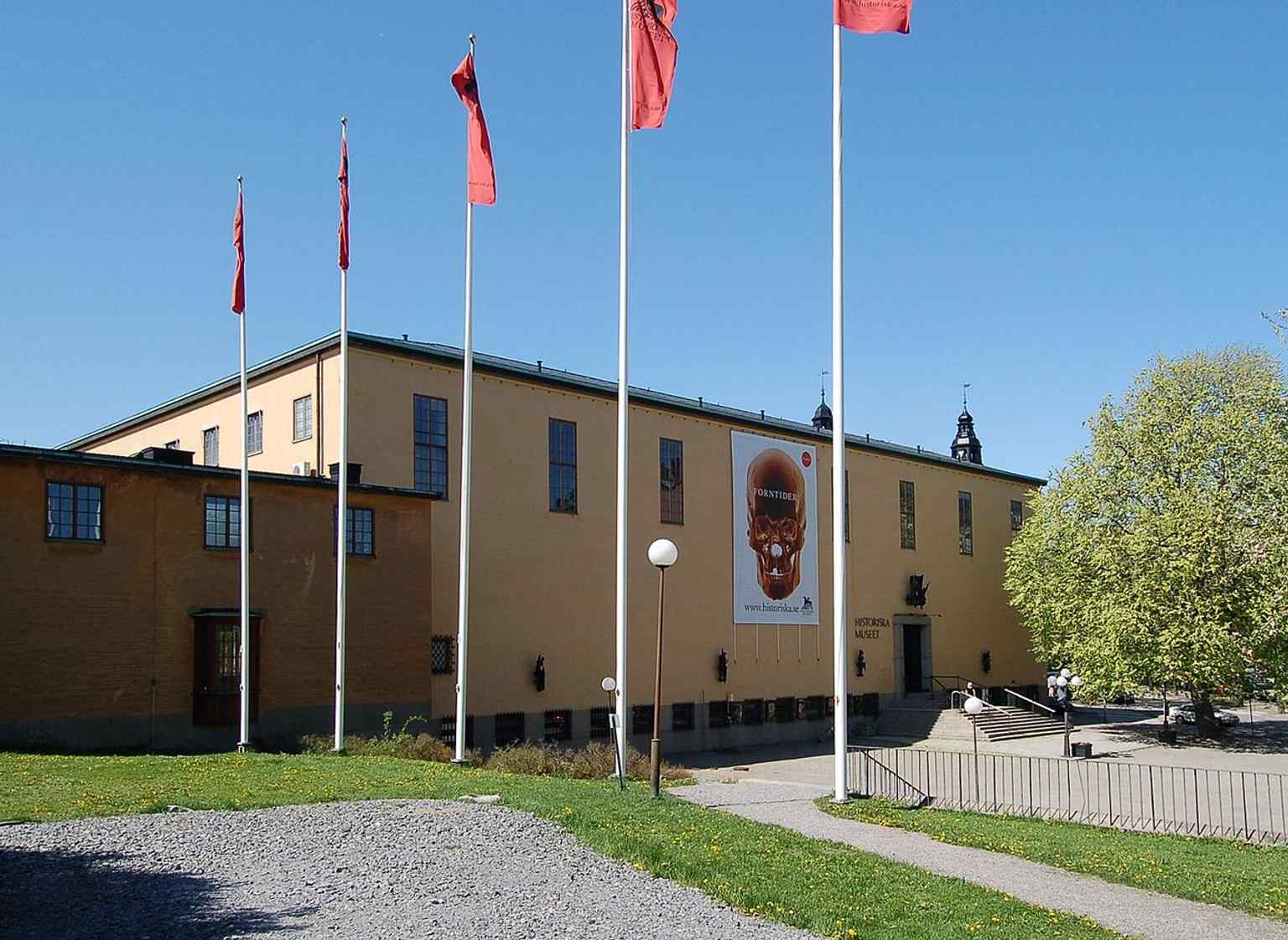
On your right, the Swedish History Museum rises with a kind of calm authority... a broad, blocky façade set back from the street so the plaza becomes a threshold. Through the branches, it looks almost like a modern fortress, and that feeling is deliberate. In the nineteen thirties, architects Bengt Romare and George Scherman shaped this building as a compact ring around an inner courtyard, balancing crisp modern design with the older military barracks and stables that already stood here in the Krubban quarter. Even the restraint of the exterior tells a story: this is a place built to guard memory.
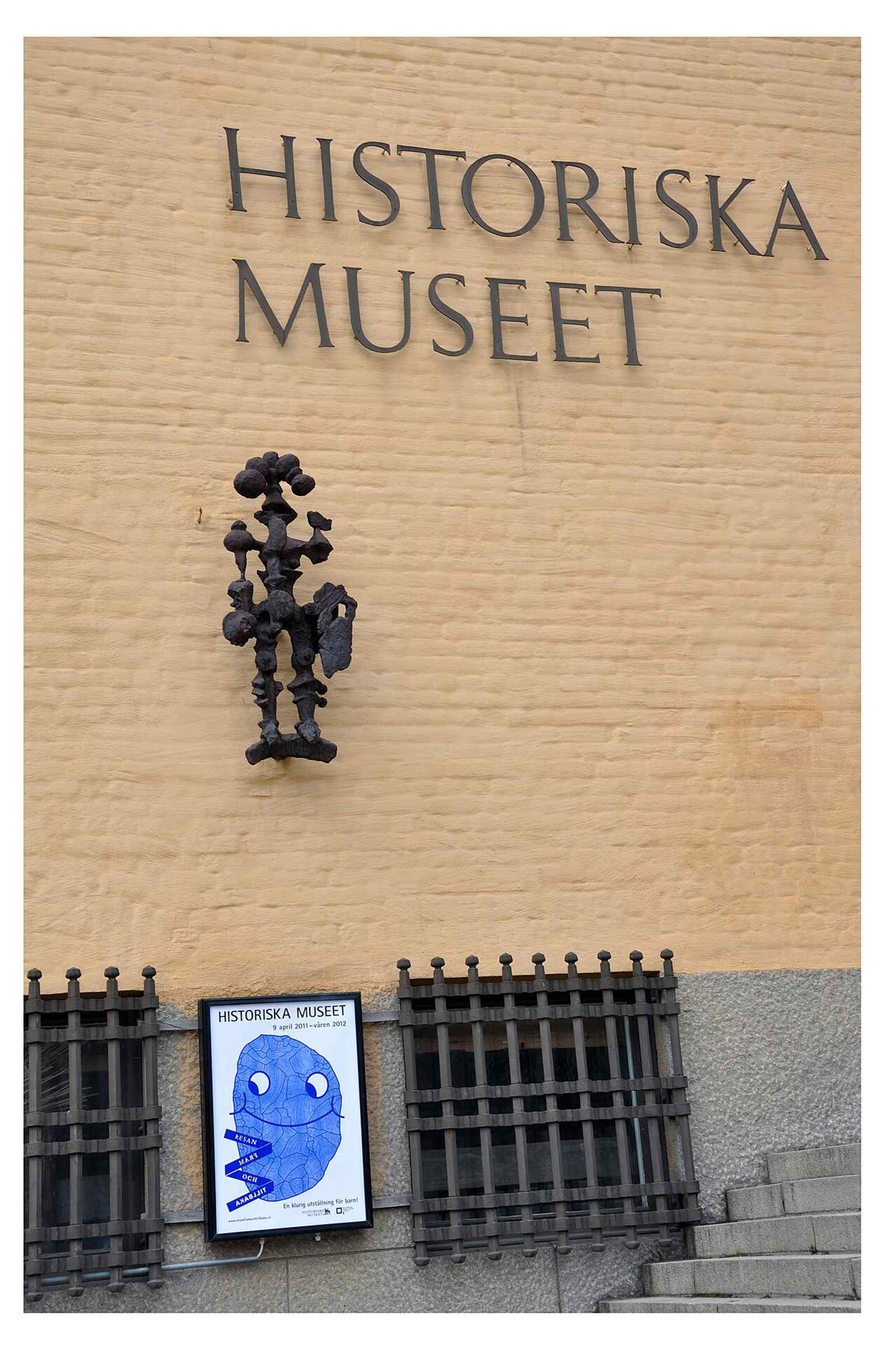
And then there are the doors. They are one of my favorite details in Stockholm. Sculptor Bror Marklund spent thirteen years creating these bronze entrance doors, called The Gates of History. Each one stands about four and a half meters tall and weighs roughly a ton. If you glance at your screen, you can see them clearly. Across ten panels, Marklund tells Sweden’s story from the Stone Age to the Middle Ages. On the left, Odin anchors the pagan world. On the right, Ansgar, the missionary who brought Christianity north, ushers in a new era. And then... tucked into this grand historical drama, Marklund slipped in a polished nineteen fifties pilsner bottle, a wink to the workers who cast the doors and built the museum.
The museum itself began long before this building. Its roots stretch back to the sixteenth century, when King Gustav Vasa gathered art and historic objects at Gripsholm Castle. Later monarchs added gifts, purchases, and war booty. After King Gustaf the Third died in seventeen ninety-two, the collections passed to the state, and the Royal Museum opened in Stockholm Palace that same year, one of the first public museums in the world. The present museum took shape in eighteen sixty-six under Bror Emil Hildebrand, but for decades the collections kept overflowing their homes. People even nicknamed the disorder “The Chaos.” In the nineteen twenties, heritage chief Sigurd Curman pushed hard for a permanent solution, and this site finally became that answer.
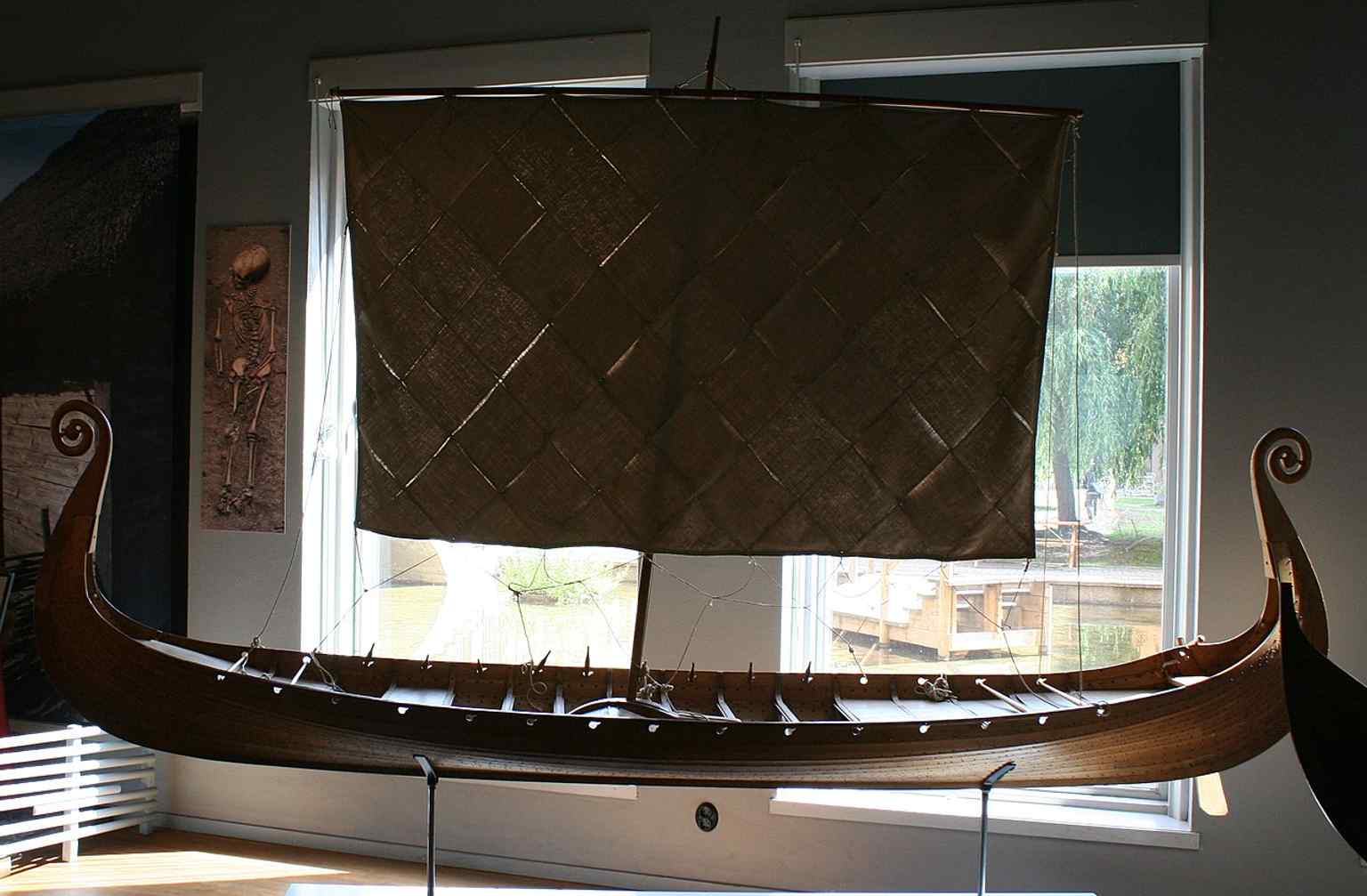
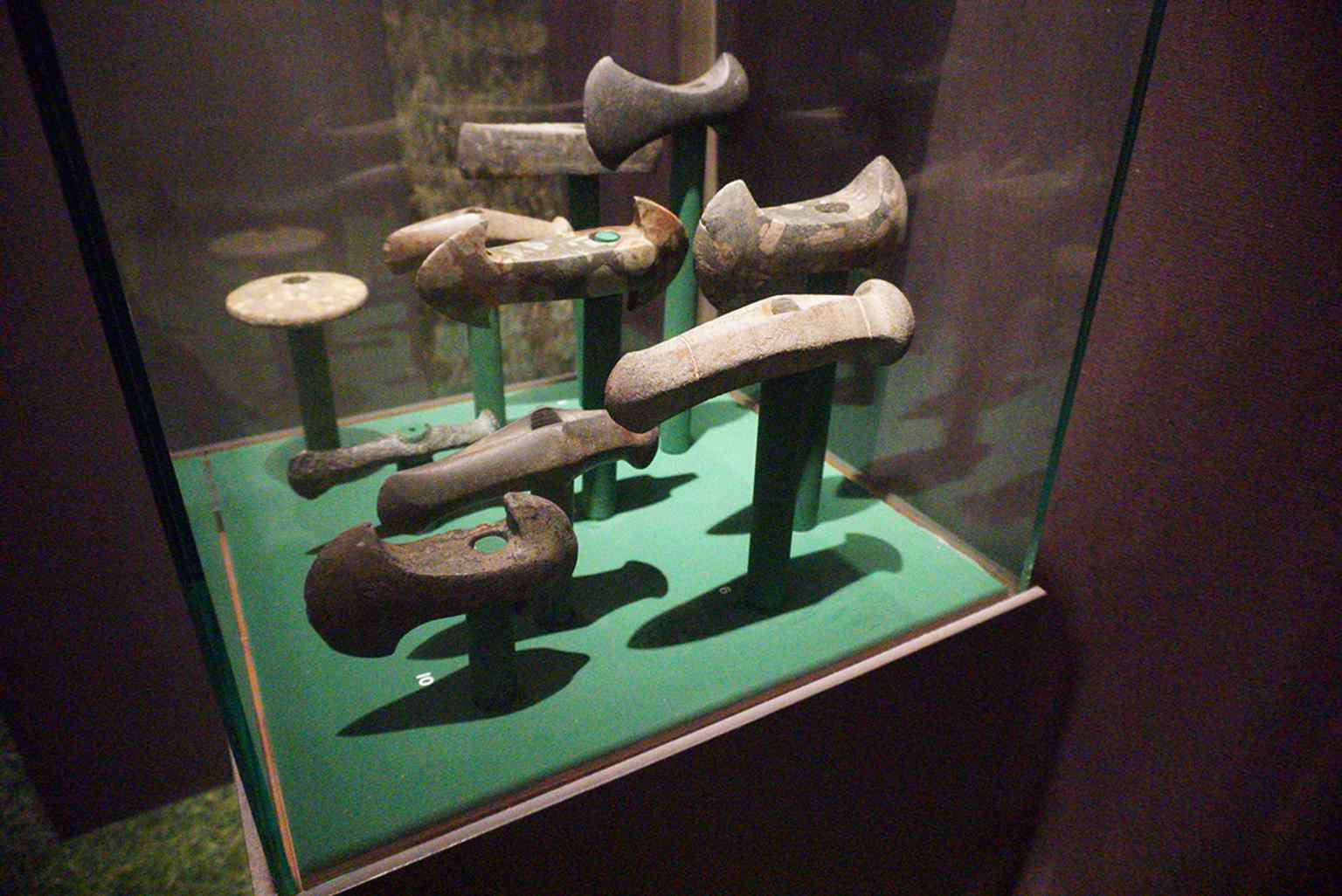
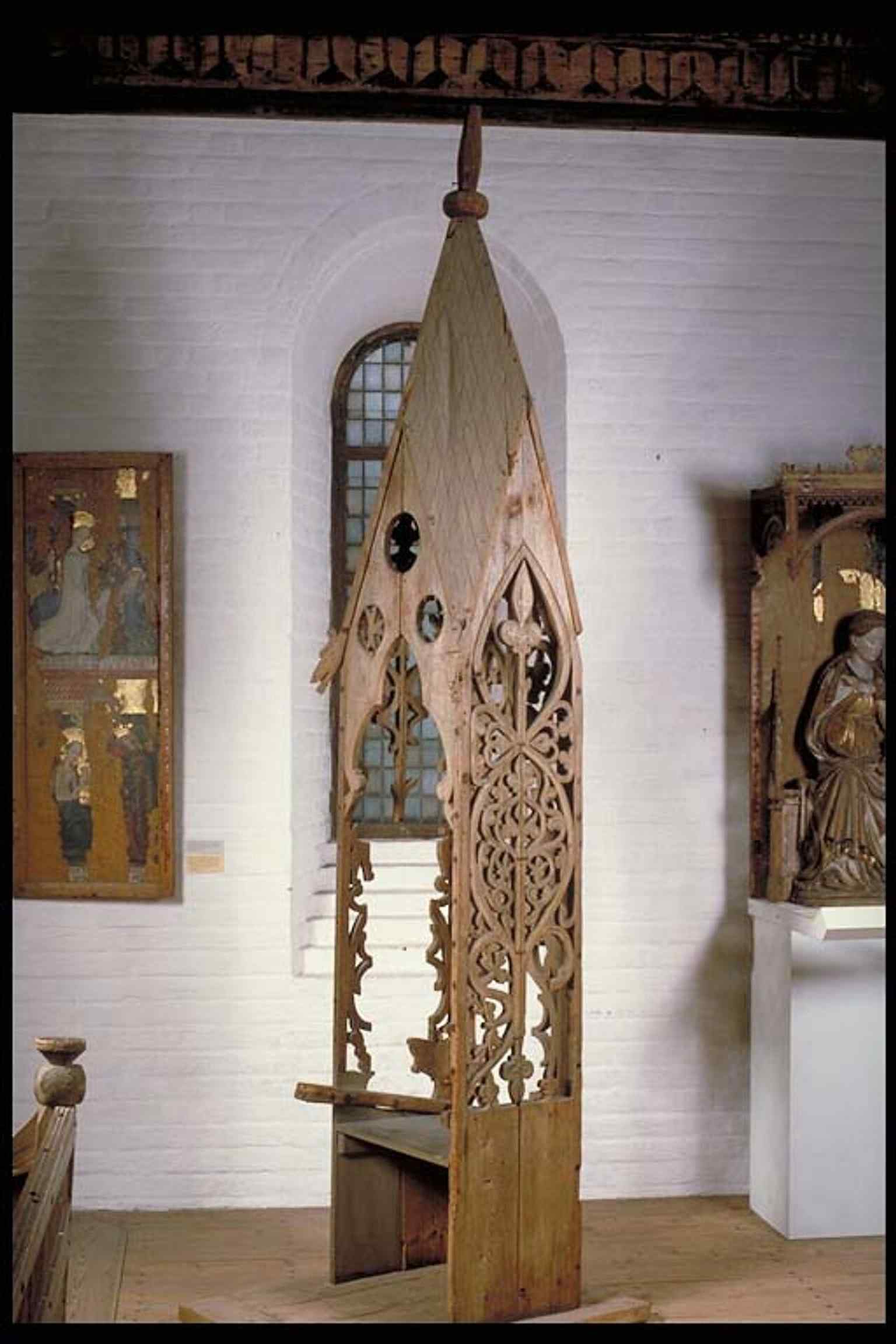
Inside, the museum unfolds in chronological order, from prehistoric Sweden to the present. The Viking galleries are especially powerful, not just because of swords and silver, but because they widen the picture. You find objects from Birka, the great trading town on Björkö, along with tools, religious items, and things Vikings carried home from travel, trade, and raiding. This museum has worked hard to replace the cartoon Viking with a more human one.
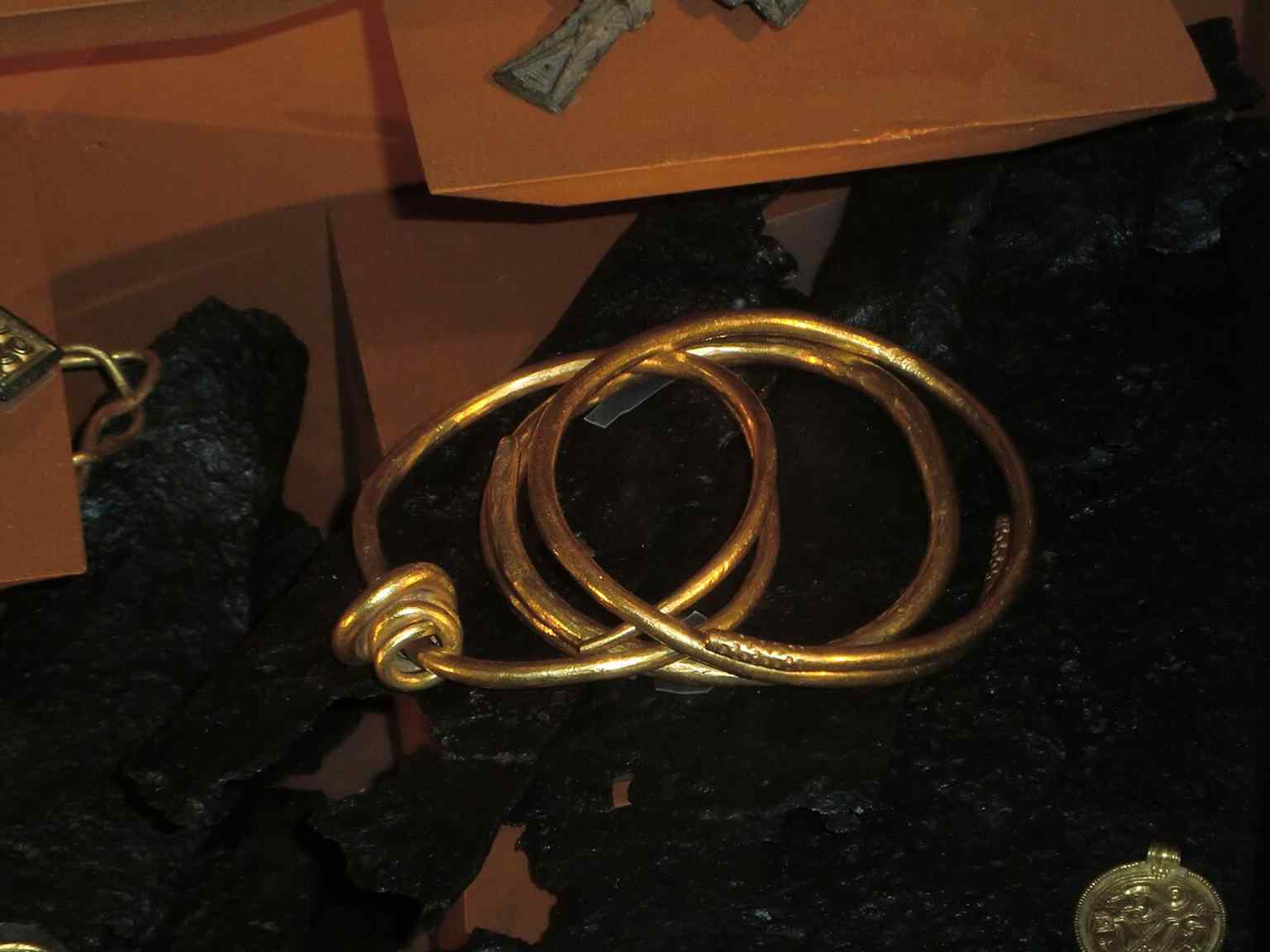
Then there’s the Gold Room, blasted into the bedrock under the courtyard in nineteen ninety-four. It holds around three thousand objects made from about fifty-two kilograms of gold and more than two hundred kilograms of silver. On your phone, those armrings give you a taste of that brilliance. Some of the most famous treasures are gold collars from around the fourth to fifth centuries, made from Roman coins. A seventeenth-century law required ownerless precious finds more than a hundred years old to go to the state, and that law still helps fill this museum with astonishing survivals. Add the Viklau Madonna, medieval reliquaries, and the Skog tapestry, found wrapped around a bridal crown, and suddenly Swedish history feels tactile, glittering, intimate.
If you want to go inside, the museum is open every day from ten in the morning to five in the afternoon.
This is Sweden telling its story in bronze, stone, gold, and memory.
When you’re ready, continue on to the Austrian Embassy for our final stop.