
50+ languages

 Bath · United Kingdom
 Bath Audio Tours
Discover Bath with self-guided audio walking tours
headphones
2 tours
pin_drop
20 landmarks
translate
Bath tours
Pick a Bath worth walking.
Self-guided audio tours written by people who actually live there.
2 tours
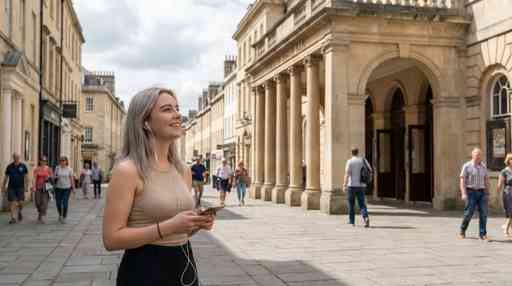
Bath Highlights Audio Tour: Georgian Splendour
Beneath the honeyed stone of Bath lie secrets sharper than any blade. While crowds chase postcard views, the city vibrates with the echoes of political coups, scandalous romances, and scientific breakthroughs that rewrote the stars. Unlock these buried narratives with this self-guided audio tour. Navigate the winding streets of Bathwick to Queen Square and beyond, uncovering the hidden tragedies and forgotten rebellions lurking in plain sight. Did the Theatre Royal audience truly witness a performance that incited a local riot? What spectral figure lingers in the dark corridors of the Herschel Museum? Why was a perfectly ordinary morning in Bathwick interrupted by a frantic, unexplained dash for the river? Trade the surface for the shadows as you trace the city’s pulse. Experience a transformation of perspective where every archway tells a tale of ambition and chaos. Press play now to reveal the Bath that history tried to bury.

Bath Audio Tour: Bath Timeless Tapestry Tour
In Bath, a bridge doesn’t just cross the river—it becomes a theater for ambition, rebellion, and roaring water. Explore a self-guided audio tour through Kingsmead’s elegant streets and storied green fields, unearthing secrets most wanderers pass by unnoticed. Why did a simple family rivalry nearly turn Pulteney Bridge into Bath’s ultimate scandal? Which sports ground doubled as a battleground for rock legends and politicians alike? And who keeps watch from the spire of St John’s Church—pilgrims or predators? Stroll where triumph rose from muddy pitch, where scandal erupted over stonework, and where victory echoes beneath gothic arches. Every step sweeps you deeper into history’s mysteries and Bath’s boldest moments—sights and stories woven into every street. Your journey between these hidden dramas awaits. Discover the Bath that lives between the lines—just beyond the familiar postcard view.
Top landmarks
The Bath everyone knows.
The landmarks in every guidebook — and the tours that tell you what guidebooks don't.
A few words on Bath
Roman waters beneath Georgian gold.
Around 60 AD, Roman engineers built a temple and bathing complex over a hot spring in a bend of the Avon River. They called the settlement Aquae Sulis, 'waters of Sulis,' named for the local goddess of healing waters. Those baths are still there, about six meters below the modern street level, the lead pipes intact, the sacred spring still producing 1.17 million liters of hot water daily at a constant 46 degrees Celsius. Standing at the edge of the great bath, looking down at the green water with the Victorian terrace rising above, is one of the stranger time-collapse moments you can have in England.
The city you see above the Roman foundations was almost entirely built between 1720 and 1800, when Bath became the fashionable resort of English society.
Architects John Wood the Elder and his son remade the hilltop in honey-colored Bath stone, building the Circus, the Royal Crescent, and the Assembly Rooms. Everything is from the same quarry, lit the same way. Jane Austen lived here for several years and found it stifling and socially exhausting, which she turned into two novels. The tension between Bath's aspirations and its realities is part of what makes it interesting.
Bath
Bath FAQ
Before you walk.
The city center is mostly walkable but involves some hills. The Royal Crescent and the Circus are on a hill above the Roman Baths. Pulteney Bridge and the riverside walks along the Avon are flat. The Roman Baths and Pump Room complex is fully accessible. Some of the older cobbled lanes around the market can be uneven.
Bath Spa station has direct trains to London Paddington (about 90 minutes) and Bristol Temple Meads (12 minutes). There are frequent services from both cities. Bath is also about 2.5 hours from London by National Express coach if you want a budget option.
No - the Roman Baths are a museum, not a swimming pool, for archaeological preservation reasons. However, you can bathe in the city's thermal spa water at the Thermae Bath Spa nearby, which uses the same spring water in modern rooftop pools. It's a very different experience but the water is genuinely ancient and genuinely warm.
The Sally Lunn bun (a light, brioche-like roll sold at the oldest house in Bath) is the traditional choice. The covered market on Grand Parade has good local food stalls. Bath also has a strong independent restaurant scene on Kingsmead Square and Milsom Street. The tearooms get very busy - arrive before noon or after 3pm to avoid the rush.
Every Bath tour, in your language.
All 50+ languages, included with every booking.
🇬🇧 English🇫🇷 Français🇪🇸 Español🇩🇪 Deutsch🇮🇹 Italiano🇯🇵 日本語🇨🇳 中文🇰🇷 한국어+ 41 more
star AudaTours Unlimited
Visiting more than one city? Subscribe.
Unlock every Bath tour — plus thousands more worldwide. Cancel any time.
$4.99/week · Cancel anytime

More in United Kingdom
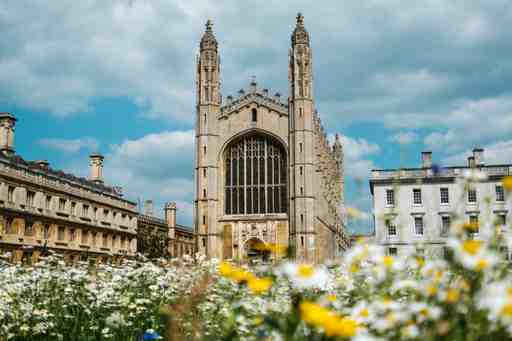
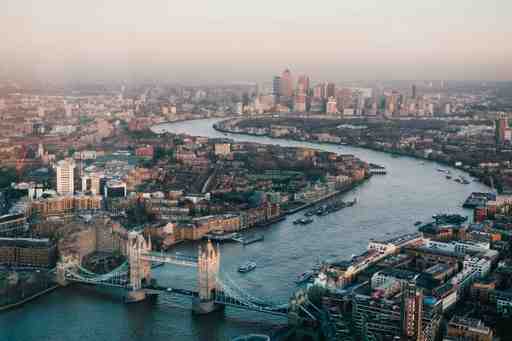
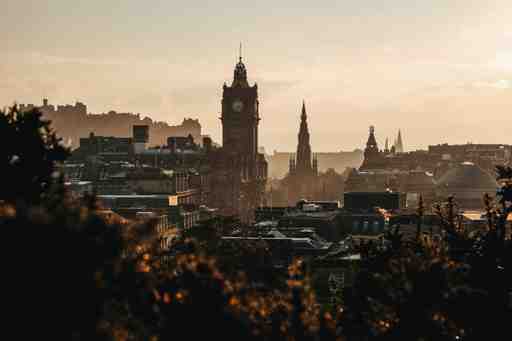
Explore United Kingdom arrow_forwardOther cities to walk in United Kingdom.


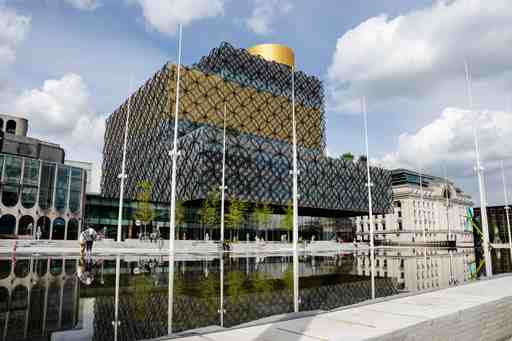
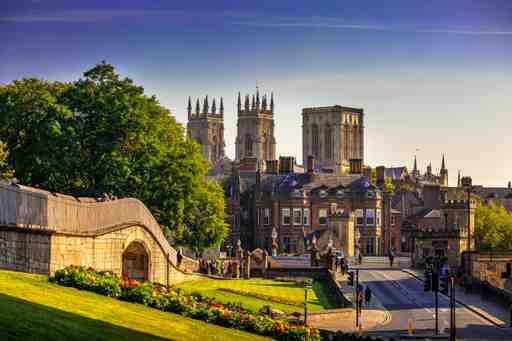
Loved by travellersThousands of tours started.
Thousands of tours started.
Plenty of opinions.
4.8 across the App Store and Google Play. Here's a few we keep coming back to.
starstarstarstarstar
This tour was such a great way to see the city. The stories were interesting without feeling too scripted, and I loved being able to explore at my own pace.

Jess
Tbilisi Tourstarstarstarstarstar
This was a solid way to get to know Brighton without feeling like a tourist. The narration had depth and context, but didn't overdo it.

Christoph
Brighton Tourstarstarstarstarstar
Started this tour with a croissant in one hand and zero expectations. The app just vibes with you, no pressure, just you, your headphones, and some cool stories.

John
Marseille Tourdownload Get the app Pop your headphones in.


Pop your headphones in.
Step outside.
Free to download. Tours in every city. Start in 60 seconds — no account, no card.

headphones
~ 4 min until your first tour starts
public
1,000+ cities worldwide
all_inclusive
AudaTours
Unlimited
Every tour. Every city. One subscription.
3097 tours2273 cities138 countries50+ languages
$39 /year
all_inclusive Explore Unlimited