
50+ languages

 Glasgow · United Kingdom
 Glasgow Audio Tours
Discover Glasgow with self-guided audio walking tours
headphones
2 tours
pin_drop
20 landmarks
translate
Glasgow tours
Pick a Glasgow worth walking.
Self-guided audio tours written by people who actually live there.
2 tours
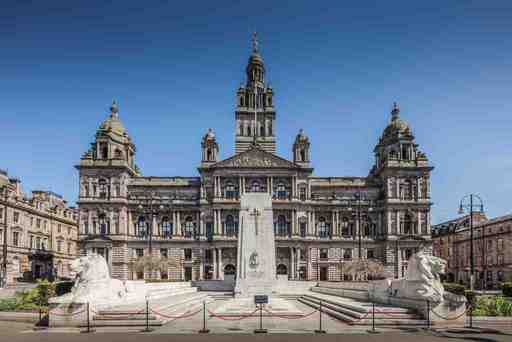
Glasgow Audio Tour: Merchant City Gems
Beneath Merchant City’s polished stone, Glasgow’s old nerve still twitches. A theatre whisper away from a riot. A tolbooth that once decided who walked free. This self guided audio tour threads past Tron Theatre, Glasgow Tolbooth, St Andrew's by the Green and more. Hear the stories on the move and spot the corners most visitors never notice. What happened when power turned brutal behind the Tolbooth doors and the city held its breath. Which secret bargains and scandals slipped through Merchant City’s closes after dark. Why does St Andrew's by the Green keep turning up in records so oddly specific it reads like a warning. Follow the cobbles from stage lights to prison shadows, from quiet churchyard to loud streets. Expect political battles, rebellions, mysteries and forgotten moments that change how Glasgow looks and sounds. Press play and chase the twitch in the stone.
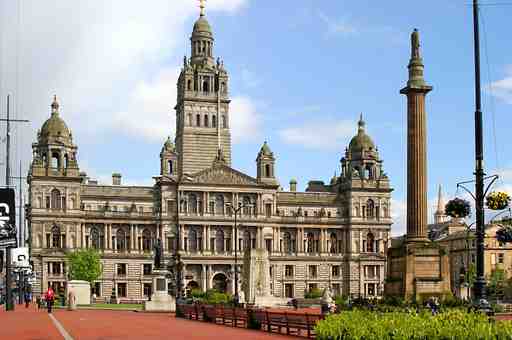
Glasgow Audio Tour: An Odyssey Through History and Culture
Beneath Glasgow’s soaring statues and glittering city lights lies a wild tangle of rebellion, secrets, and playful twists. Behind the dignified faces of George Square or beneath the epic domes of City Chambers, the city’s true dramas ripple just out of sight. Embark on this self-guided audio tour and walk in the footsteps of political risings, grand artistic upheavals, and everyday scandal—uncovering stories most visitors rush past. Why did a peaceful workers’ protest turn George Square into a battlefield feared by Britain’s leaders? Which forbidden parties once shook the silent halls of the Gallery of Modern Art? And how did an orange traffic cone become Glasgow’s boldest symbol of mischief? Stroll from royal monuments to rebellious art with every step revealing old rivalries, risky ambitions, and moments that changed Scotland’s heart. Glasgow will move around you in unexpected color—ready to be discovered anew. Press play, look closer, and start searching for the city hiding just beneath your feet.
Top landmarks
The Glasgow everyone knows.
The landmarks in every guidebook — and the tours that tell you what guidebooks don't.
A few words on Glasgow
Built on iron. Runs on attitude and generosity.
Glasgow made its fortune from tobacco, cotton, and iron, and lost a large part of it when the world stopped buying British ships. The shipyards on the Clyde that once built the Lusitania and the Queen Mary are largely gone, but the city they shaped, dense and red-sandstone and architecturally spectacular in places nobody expects, is very much still here. It is the largest city in Scotland and the one that feels most like itself, without adjustment for visitors.
Charles Rennie Mackintosh left his mark across the city in a way that no other architect has marked a British city since.
The Glasgow School of Art, the Willow Tea Rooms on Sauchiehall Street, and the Hill House in Helensburgh are among the most refined examples of Art Nouveau design in Europe. The Kelvingrove Art Gallery, a Spanish Baroque pile in the West End, contains what is arguably the finest civic art collection in Britain, including Salvador Dali's Christ of Saint John of the Cross, hung at an angle that makes the viewer feel they are looking down from above.
Glasgow
Glasgow FAQ
Before you walk.
The city centre, West End, and East End each feel distinct and are best explored on foot within themselves. The Subway, Glasgow's small circular underground railway, connects the city centre to the West End in about ten minutes and is useful for getting between the main tour areas. Buses cover the rest of the city comprehensively.
Glasgow has a reputation that exceeds its reality for most visitors. The city centre, West End, Merchant City, and East End around the Barras are all fine for walking. Keep standard city awareness, particularly around Glasgow Cross late at night, and you will have no issues. Locals are famously willing to give directions if you look lost.
Glasgow has quietly become one of the best food cities in Scotland. The West End along Ashton Lane and Byres Road has excellent independent restaurants. For something quick, the Barras market area has excellent street food. The Glaswegian breakfast (a full Scottish, with Lorne sausage and haggis) is the right way to start before a long walk.
Kelvingrove Art Gallery is free to enter and is a ten-minute walk from the Great Western Road area of the West End. It is open every day. The building itself, with its enormous red-sandstone exterior and grand interior hall, is worth visiting even if you only spend an hour inside. It is one of Scotland's most-visited attractions for good reason.
Every Glasgow tour, in your language.
All 50+ languages, included with every booking.
🇬🇧 English🇫🇷 Français🇪🇸 Español🇩🇪 Deutsch🇮🇹 Italiano🇯🇵 日本語🇨🇳 中文🇰🇷 한국어+ 41 more
star AudaTours Unlimited
Visiting more than one city? Subscribe.
Unlock every Glasgow tour — plus thousands more worldwide. Cancel any time.
$4.99/week · Cancel anytime

More in United Kingdom
Explore United Kingdom arrow_forwardOther cities to walk in United Kingdom.


Loved by travellersThousands of tours started.
Thousands of tours started.
Plenty of opinions.
4.8 across the App Store and Google Play. Here's a few we keep coming back to.
starstarstarstarstar
This tour was such a great way to see the city. The stories were interesting without feeling too scripted, and I loved being able to explore at my own pace.

Jess
Tbilisi Tourstarstarstarstarstar
This was a solid way to get to know Brighton without feeling like a tourist. The narration had depth and context, but didn't overdo it.

Christoph
Brighton Tourstarstarstarstarstar
Started this tour with a croissant in one hand and zero expectations. The app just vibes with you, no pressure, just you, your headphones, and some cool stories.

John
Marseille Tourdownload Get the app Pop your headphones in.


Pop your headphones in.
Step outside.
Free to download. Tours in every city. Start in 60 seconds — no account, no card.

headphones
~ 4 min until your first tour starts
public
1,000+ cities worldwide
all_inclusive
AudaTours
Unlimited
Every tour. Every city. One subscription.
3097 tours2273 cities138 countries50+ languages
$39 /year
all_inclusive Explore Unlimited