
50+ languages

 Halifax · Canada
 Halifax Audio Tours
Discover Halifax with self-guided audio walking tours
headphones
2 tours
pin_drop
20 landmarks
translate
Halifax tours
Pick a Halifax worth walking.
Self-guided audio tours written by people who actually live there.
2 tours
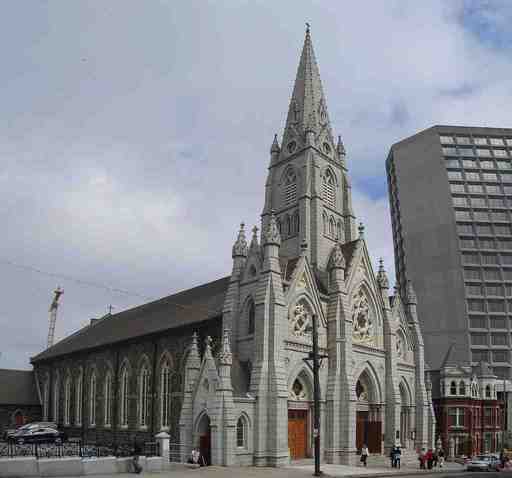
Halifax Highlights Audio Tour: Heart of the Harbor and Heritage
Beneath the mist of Halifax Harbor lies a city built on gunpowder, gold, and secrets that the granite streets still struggle to suppress. This self-guided audio tour peels back the polished veneer of Downtown to reveal the jagged edges of history. Wander beyond the souvenir shops to uncover political scandals, forgotten rebellions, and the whispers of ghosts caught between the tides. Why did a high-stakes duel nearly ignite a riot outside the Government House? What chilling secret remains buried deep within the shadow of St. Mary’s Basilica? And why did a single, mysterious trunk left on the docks of the HMCS Sackville change a family’s fortune forever? Stroll through corridors of power and dockside decay as the past surges into the present. Experience the raw tension of this coastal capital and reclaim the stories hidden in plain sight. Uncover the truth today.
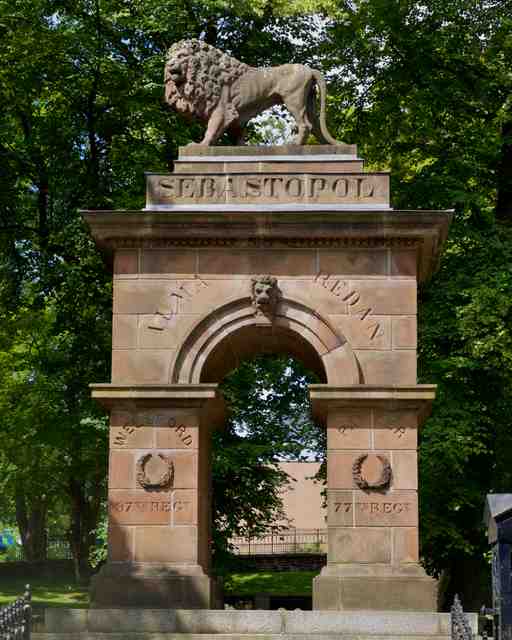
Halifax Audio Tour: Timelines & Tall Tales from Waterfront to Parade
A city once rattled by royal scandals and long-lost rebellions hides its secrets in plain sight among Halifax’s winding streets. Stained glass windows whisper pirate confessions, while modern masterpieces conceal old betrayals. This self-guided audio tour lets you uncover Halifax as few do—moving from echoes of British intrigue at St. Paul’s Church to the bold visions of the Art Gallery of Nova Scotia, with mysterious monuments and storied corners in between. What happened when disaster struck in the shadows of St. Paul’s? Who left coded messages hidden beneath the Sebastopol Monument? And why do some paintings in the gallery seem to hold their own private vendettas? Trace footsteps through fogbound squares and vibrant alleys. each landmark sparking fresh surprise. By journey’s end, the city’s familiar skyline bursts with untold drama and unexpected color. Dare to discover what Halifax refuses to reveal. Your adventure begins now.
Top landmarks
The Halifax everyone knows.
The landmarks in every guidebook — and the tours that tell you what guidebooks don't.
A few words on Halifax
A harbour city that history keeps finding.
Halifax sits on one of the world's great natural harbours, and the harbour has been both its reason for existing and its recurring point of contact with catastrophe. The 1917 Halifax Explosion, when a munitions ship collided with another vessel in the Narrows and detonated 2,900 tonnes of explosives, remains the largest accidental non-nuclear explosion in history. It flattened the north end of the city, killed nearly 2,000 people, and sent a tsunami wave into Dartmouth on the opposite shore. The Bedford Institute of Oceanography now occupies the area where the explosion ship lay, and the Halifax Explosion Memorial Bell Tower stands in Fort Needham Park above the former disaster zone.
Citadel Hill, the star-shaped British fortress on the hill above downtown built in its current form between 1828 and 1856, is the defining feature of the skyline and offers views across the harbour to Dartmouth.
The waterfront boardwalk running from the ferry terminal south through the Historic Properties, a collection of warehouses from the early 19th century, is one of the more pleasant harbour walks in Atlantic Canada, lined with restaurants and the Maritime Museum of the Atlantic where the SS Acadia and recovered Titanic artifacts are on permanent display. Halifax was among the ports that retrieved bodies and wreckage from the Titanic disaster in 1912, and that connection runs deep in the local historical consciousness.
Halifax
Halifax FAQ
Before you walk.
The waterfront, downtown, and Citadel Hill are all within easy walking distance of each other in a compact central area. The Halifax Transit bus network covers most of the city. Taxis and rideshares are available. The ferry across the harbour to Dartmouth costs around $2.75 and is a worthwhile 10-minute crossing for the harbour views alone.
Very much so. Halifax was the closest major port to where Titanic sank in April 1912, and the city sent four ships to recover bodies. Of 328 recovered, 150 were buried in three Halifax cemeteries, and the Maritime Museum of the Atlantic holds the world's largest collection of wooden artifacts from the disaster. Fairview Lawn Cemetery in the north end has a dedicated section of Titanic graves that is free to visit.
Lobster is the headline but Nova Scotia seafood goes well beyond it. Digby scallops, pan-seared, are exceptional. Fish and chips using fresh haddock are ubiquitous along the waterfront and the quality varies from very good to excellent. Chowder is also excellent here. The Seaport Farmers Market on Marginal Road has excellent fresh seafood stalls on weekends.
Yes, Citadel Hill National Historic Site is open from May through November with costumed interpreters demonstrating 19th-century military life, cannon firings, and guided tours of the fortifications. The grounds are free and open year-round, and the view alone justifies the walk up. Parks Canada passes that cover other national historic sites also work here.
Every Halifax tour, in your language.
All 50+ languages, included with every booking.
🇬🇧 English🇫🇷 Français🇪🇸 Español🇩🇪 Deutsch🇮🇹 Italiano🇯🇵 日本語🇨🇳 中文🇰🇷 한국어+ 41 more
star AudaTours Unlimited
Visiting more than one city? Subscribe.
Unlock every Halifax tour — plus thousands more worldwide. Cancel any time.
$4.99/week · Cancel anytime








Loved by travellersThousands of tours started.
Thousands of tours started.
Plenty of opinions.
4.8 across the App Store and Google Play. Here's a few we keep coming back to.
starstarstarstarstar
This tour was such a great way to see the city. The stories were interesting without feeling too scripted, and I loved being able to explore at my own pace.

Jess
Tbilisi Tourstarstarstarstarstar
This was a solid way to get to know Brighton without feeling like a tourist. The narration had depth and context, but didn't overdo it.

Christoph
Brighton Tourstarstarstarstarstar
Started this tour with a croissant in one hand and zero expectations. The app just vibes with you, no pressure, just you, your headphones, and some cool stories.

John
Marseille Tourdownload Get the app Pop your headphones in.


Pop your headphones in.
Step outside.
Free to download. Tours in every city. Start in 60 seconds — no account, no card.

headphones
~ 4 min until your first tour starts
public
1,000+ cities worldwide
all_inclusive
AudaTours
Unlimited
Every tour. Every city. One subscription.
3097 tours2273 cities138 countries50+ languages
$39 /year
all_inclusive Explore Unlimited