
50+ languages

 Quebec City · Canada
 Quebec City Audio Tours
Discover Quebec City with self-guided audio walking tours
headphones
2 tours
pin_drop
20 landmarks
translate
Quebec City tours
Pick a Quebec City worth walking.
Self-guided audio tours written by people who actually live there.
2 tours
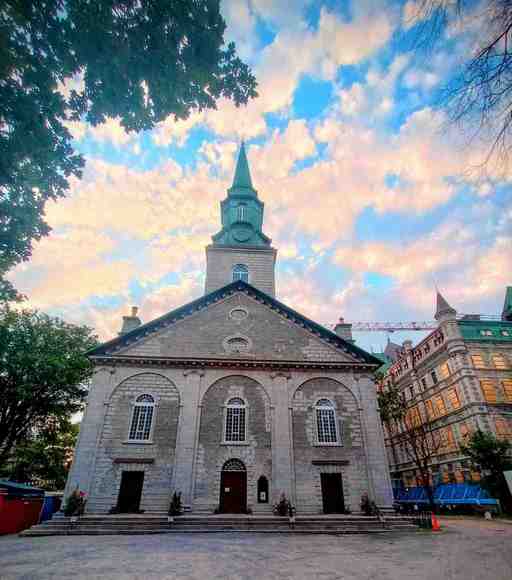
Quebec City Highlights Audio Tour: Historic Landmarks and Old World Charm
Stone walls hold secrets that silence cannot mask. Beneath the grandeur of Old Quebec lies a turbulent history of blood, betrayal, and ghosts waiting for someone to listen. Unlock these whispers through a self-guided audio tour that bypasses the tourist crowds to reveal the raw, unfiltered truth behind the city’s majestic facade. Which hidden chamber inside the Cathedral of the Holy Trinity served as the unlikely backdrop for a high stakes political scandal? Why do the shadows cast by the Quebec fortifications seem to reenact a forgotten night of panic during the great siege? How did a seemingly mundane scandal at the Notre Dame de Quebec Basilica leave an indelible mark on the local soul? Traverse the cobblestones as layers of time peel away to reveal an epic saga. Emerge from this journey with a profound shift in perspective. Start your descent into the dark heart of Quebec today.
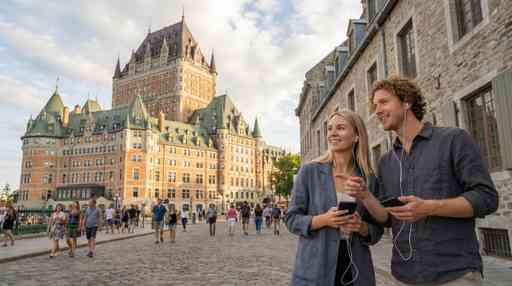
Quebec City Audio Tour: Echoes and Icons of La Cité-Limoilou
Beneath the imposing towers of Château Frontenac and the watchful stone faces of Édifice Price, secrets echo along the ancient Ramparts of Quebec City. Every cobblestone hides a twist, every corner pulses with stories yearning to break free. This self-guided audio tour leads through La Cité-Limoilou’s legendary heart, inviting direct discovery of the intrigues and legends that most wanderers never hear. What plot simmered behind closed doors that nearly changed the course of a nation within these walls? Whose shadowy footsteps vanish nightly atop the centuries-old ramparts? Why does a single window in Édifice Price hold a tale that officials refuse to discuss? Move through candle-lit corridors of history, where political schemes, lost rebellions, and hidden scandals rise from the mist. This is a journey that stirs the imagination and unveils an old city’s bravest, darkest moments. The gates to Quebec’s true past stand open—step closer and listen.
Top landmarks
The Quebec City everyone knows.
The landmarks in every guidebook — and the tours that tell you what guidebooks don't.
A few words on Quebec City
North America's only walled city north of Mexico.
Quebec City sits on a limestone promontory above the St. Lawrence River, and the combination of the cliff, the river, and the 17th-century fortifications that still stand intact make it look more like a European city than anything else on the continent. The Chateau Frontenac, a copper-roofed chateau-style hotel that opened in 1893, dominates the skyline from every angle and has become so embedded in the city's identity that photographs of Quebec City without it feel incomplete. The Plains of Abraham on the city's edge is the site of the 1759 battle that decided the fate of North America, where British forces under General Wolfe defeated the French under Montcalm in a twenty-minute engagement that changed Canadian history permanently.
Old Quebec, the walled upper town and lower town connected by the steep and photogenic Breakneck Stairs, is entirely UNESCO-listed and extremely well-preserved.
Rue Saint-Jean in the upper town is the main commercial street, a dense block of restaurants, bakeries, and boutiques. The lower town around Place Royale, where Samuel de Champlain founded New France in 1608, is quieter and more atmospheric, especially in the early morning before tour groups arrive. Quebec City is most famous in winter when the Carnival fills the streets with outdoor events, snow sculptures, and ice slides, and when the residents demonstrate that cold weather is a state of mind.
Quebec City
Quebec City FAQ
Before you walk.
Very hilly. The city is divided into the upper town and lower town by a cliff, and getting between them means either climbing the Breakneck Stairs or taking the funicular cable car ($4 each way). The upper town itself is largely flat and easy to walk. Good footwear with grip is important, especially in winter when ice covers the historic stone streets.
French is the working language of Quebec City and most residents prefer to use it. English is spoken in tourist areas and hotels, but making an effort with even basic French phrases is genuinely appreciated and tends to produce warmer interactions. The tourist infrastructure is bilingual, so language is rarely a barrier for visitors.
Poutine, the combination of fries, cheese curds, and gravy that was invented in Quebec, is omnipresent and quality varies greatly. Tourtiere, a meat pie traditional at Christmas and New Year, is excellent in local restaurants year-round. Maple products from the sugar shacks outside the city are serious business, and maple taffy poured over snow at a cabane a sucre in spring is worth the trip alone.
The Battlefields Park, which includes the Plains of Abraham, is a large urban park with excellent views of the St. Lawrence and good walking trails. The Musee des Plaines d'Abraham within it tells the story of the 1759 battle with good interactive exhibits. It is a 15-minute walk from the walls of Old Quebec and worth at least an hour, more if you have time.
Every Quebec City tour, in your language.
All 50+ languages, included with every booking.
🇬🇧 English🇫🇷 Français🇪🇸 Español🇩🇪 Deutsch🇮🇹 Italiano🇯🇵 日本語🇨🇳 中文🇰🇷 한국어+ 41 more
star AudaTours Unlimited
Visiting more than one city? Subscribe.
Unlock every Quebec City tour — plus thousands more worldwide. Cancel any time.
$4.99/week · Cancel anytime


Loved by travellersThousands of tours started.
Thousands of tours started.
Plenty of opinions.
4.8 across the App Store and Google Play. Here's a few we keep coming back to.
starstarstarstarstar
This tour was such a great way to see the city. The stories were interesting without feeling too scripted, and I loved being able to explore at my own pace.

Jess
Tbilisi Tourstarstarstarstarstar
This was a solid way to get to know Brighton without feeling like a tourist. The narration had depth and context, but didn't overdo it.

Christoph
Brighton Tourstarstarstarstarstar
Started this tour with a croissant in one hand and zero expectations. The app just vibes with you, no pressure, just you, your headphones, and some cool stories.

John
Marseille Tourdownload Get the app Pop your headphones in.


Pop your headphones in.
Step outside.
Free to download. Tours in every city. Start in 60 seconds — no account, no card.

headphones
~ 4 min until your first tour starts
public
1,000+ cities worldwide
all_inclusive
AudaTours
Unlimited
Every tour. Every city. One subscription.
3097 tours2273 cities138 countries50+ languages
$39 /year
all_inclusive Explore Unlimited