AudaTours logoAudaTours

Stop 5 of 17

St. Thomas Church

St. Thomas Church
Saint Thomas Church in Strasbourg
Saint Thomas Church in StrasbourgPhoto: Photo Claude TRUONG-NGOC, Wikimedia Commons, CC BY-SA 3.0. Cropped & resized.

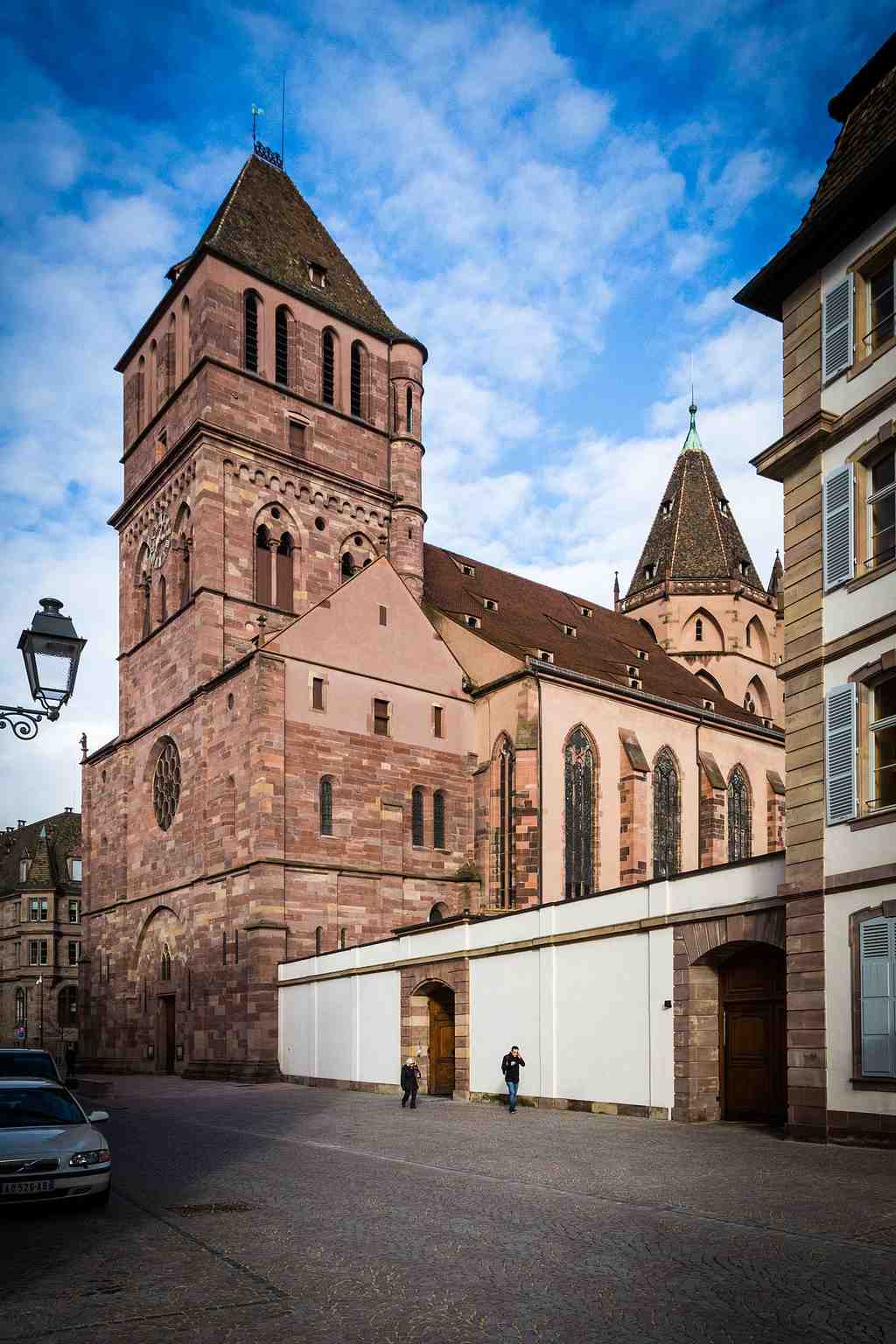
On your right rises a broad church of pink sandstone, with a square entrance tower, a long steep roof, and a round rose window set above the main portal.

Saint-Thomas is one of Strasbourg’s best lessons in how a city can change direction without wiping the slate clean. People have worshipped on this site since the early Middle Ages, and local tradition reaches even farther back, to Christian monks from the British Isles in the fifth century. Saint Florent, a bishop who died in six ninety-three, is buried here, so this was sacred ground long before the present building took shape.

The church you see now came through disaster more than once. Fire destroyed an earlier church here in one thousand seven, along with a huge part of Strasbourg. Then lightning finished off the next one in eleven forty-four. Lightning, apparently, had strong architectural opinions. In eleven ninety-six, builders began again from the facade, giving Saint-Thomas that sturdy, almost fortress-like front tower.

What makes it especially important is its form. This is a hall church, which means the central space and the side aisles rise to nearly the same height, creating a broad, unified interior instead of one towering middle lane. It is the only church of that type in Alsace, and one of the oldest of its kind in this part of the former Holy Roman Empire. If you glance at the image in the app, you can see that wide, open interior very clearly.
Inside Saint Thomas Church, where the vast hall-church layout gives the Protestant nave its distinctive open feel.
Inside Saint Thomas Church, where the vast hall-church layout gives the Protestant nave its distinctive open feel.Photo: Unknown, Wikimedia Commons, CC BY-SA 4.0. Cropped & resized.

People often call Saint-Thomas the cathedral of Protestantism in Alsace. When the Reformation spread after Martin Luther’s challenge in fifteen seventeen, this church became one of Strasbourg’s key turning points. In fifteen twenty-four, worship here shifted into the language ordinary people spoke, and communion was offered in both bread and wine. That changed more than prayer... it reshaped schools, church property, and public identity across the city.

One man helps make that shift feel human: Martin Bucer. He served here as pastor, though his arrival raised eyebrows because he had married and had already been excommunicated. Not exactly the safe, uncontroversial hire. Yet from Saint-Thomas, Bucer became one of Strasbourg’s great Protestant voices, trying to reconcile rival reform movements across Europe.

And here is the Strasbourg part of the story: even after the church became Lutheran, it did not erase everything older. Saint-Thomas kept its chapter of canons, the clergy who managed the church’s life and property, making it a rare Protestant church with a very old institutional backbone still intact. Later, one of those canons, Marc Otto, signed the Peace of Westphalia in sixteen forty-eight, helping end the Thirty Years’ War and affirming that rulers could not simply force people to convert.

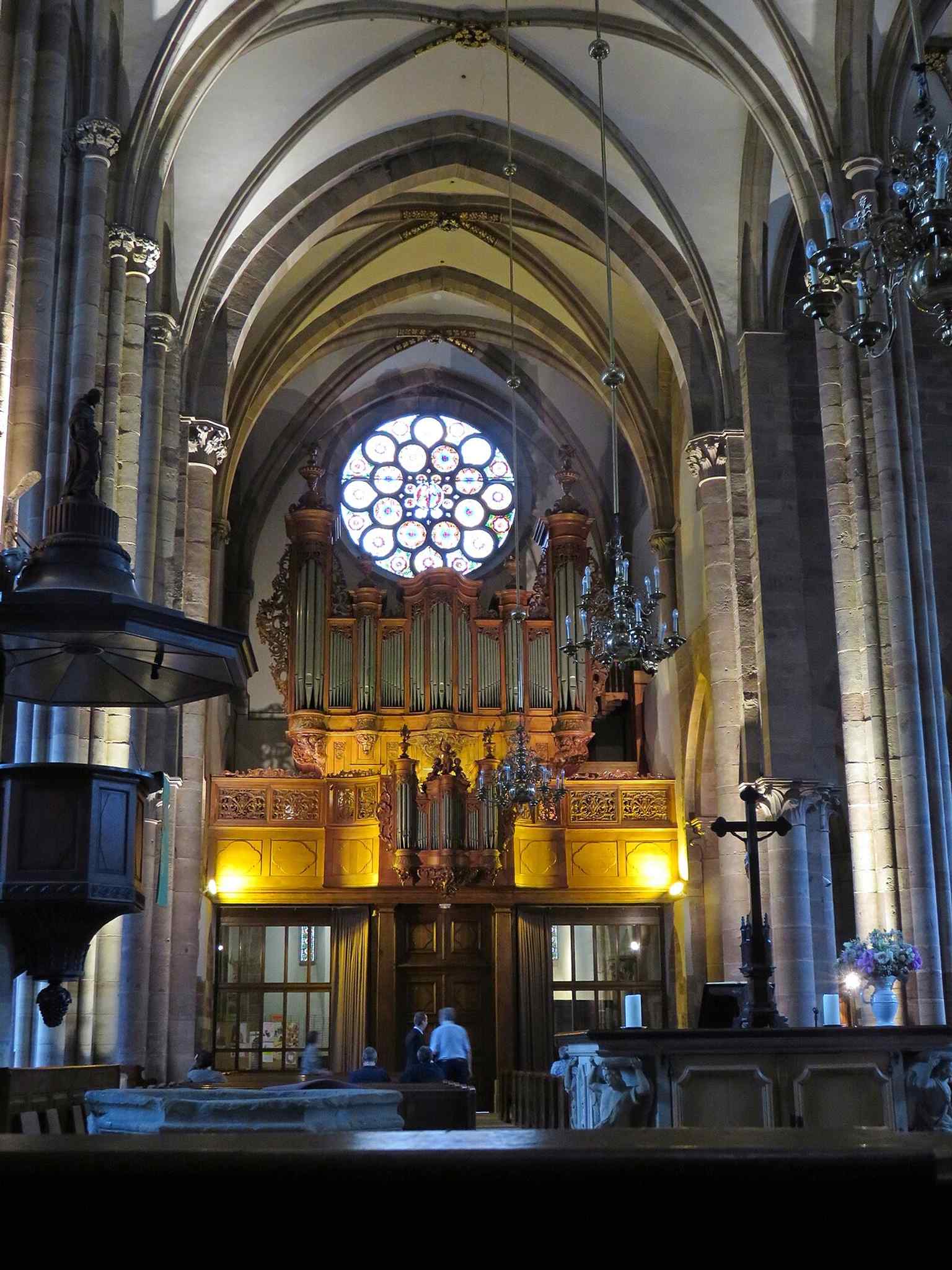
Music carried Saint-Thomas even farther. Its great Silbermann organ from seventeen forty-one impressed Mozart in seventeen seventy-eight, and if you check the organ photo on your screen, that is the instrument’s famous case. More than a century later, Albert Schweitzer designed the choir organ here in nineteen oh-six, tying this church to a future Nobel Peace Prize winner.
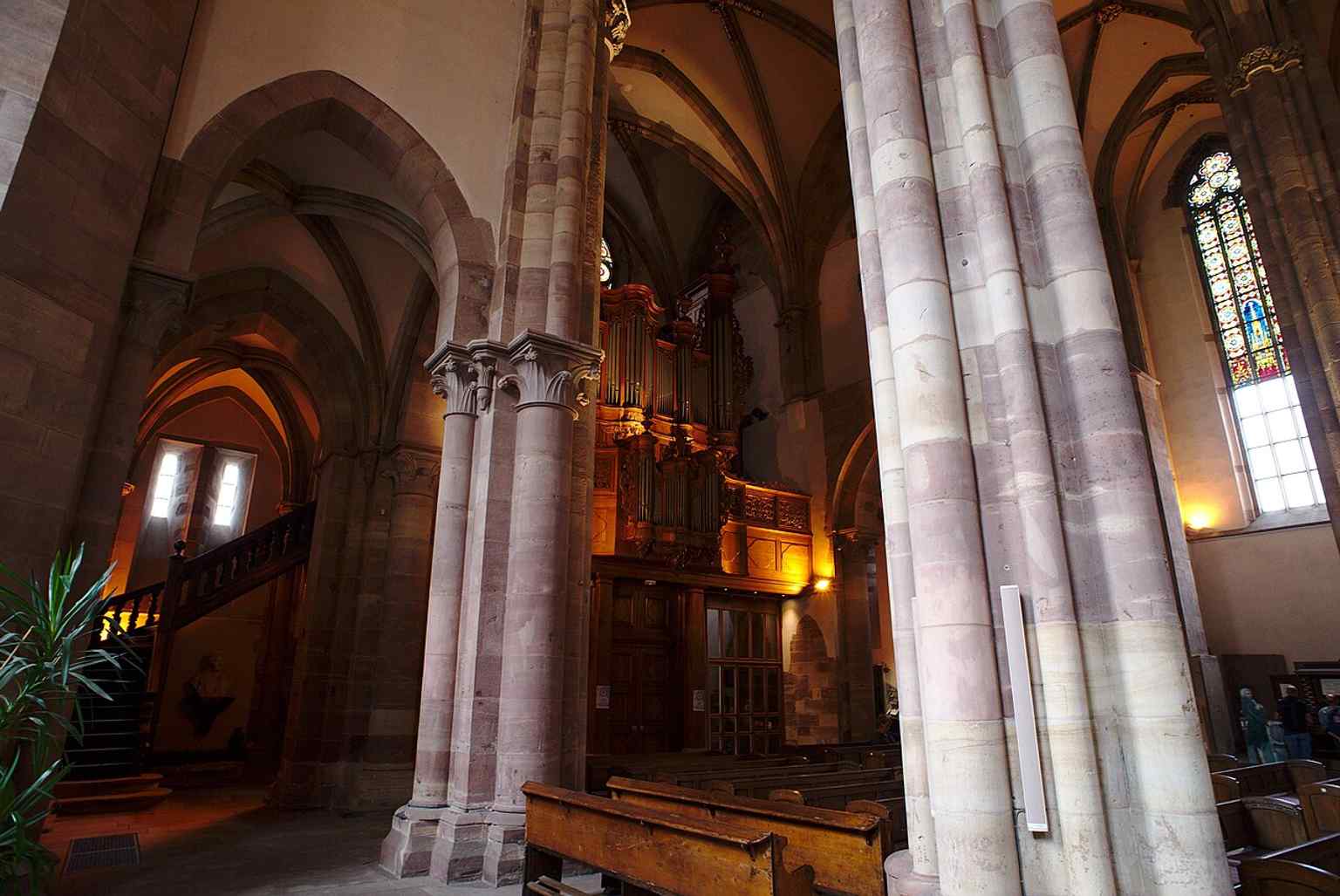
The famous Silbermann pipe organ, central to Saint Thomas’s reputation as a major Strasbourg music venue since the 18th century.
The famous Silbermann pipe organ, central to Saint Thomas’s reputation as a major Strasbourg music venue since the 18th century.Photo: Flocci Nivis, Wikimedia Commons, CC BY-SA 4.0. Cropped & resized.

Keep that in mind as you head to Gutenberg Square, about a six-minute walk from here: Strasbourg’s religious changes will keep showing up in places that seem purely civic, even on facades and in public imagery. If you want to return and go inside, Saint-Thomas is generally open from ten to five-thirty most days, and on Sundays from one-thirty to five-thirty.
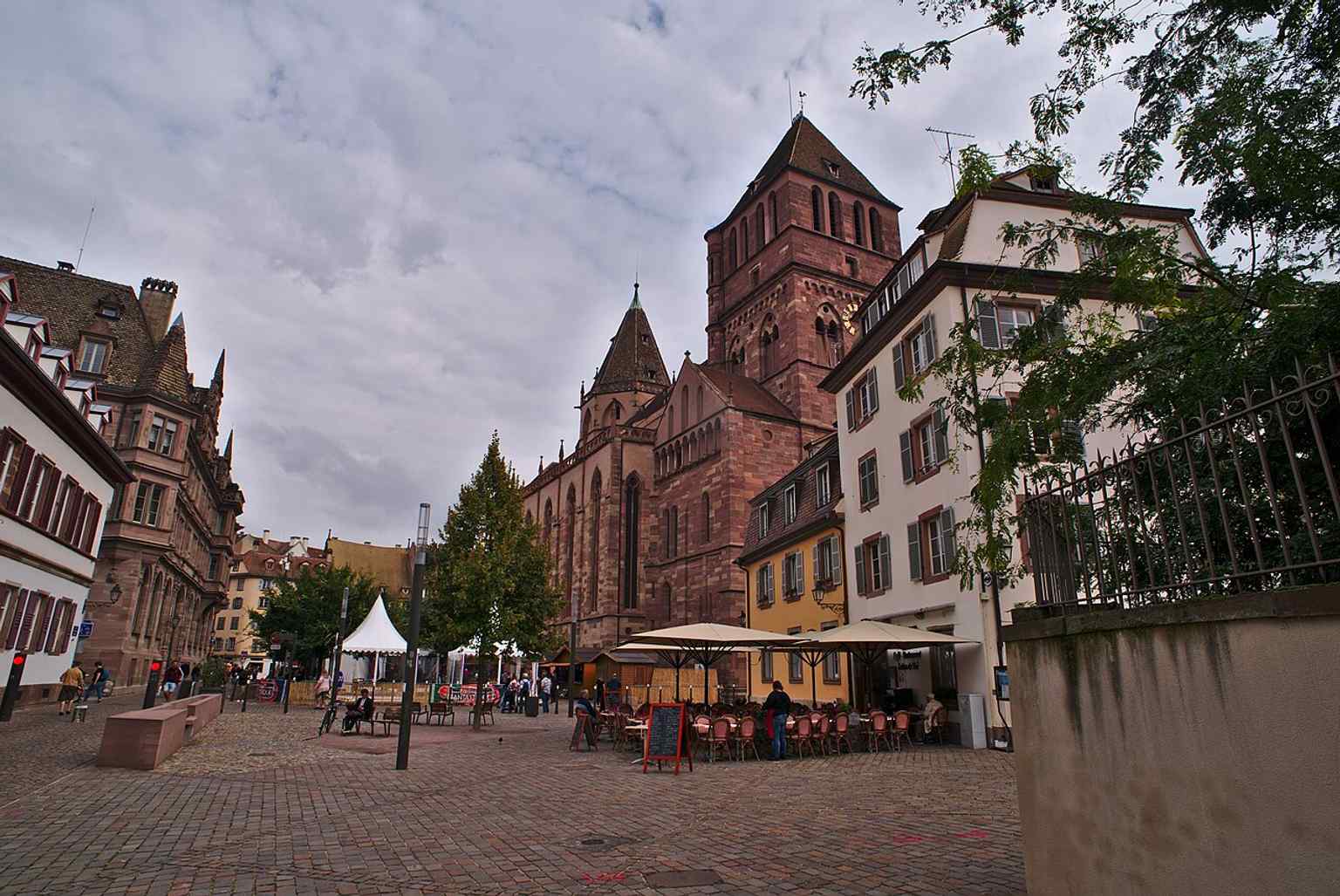
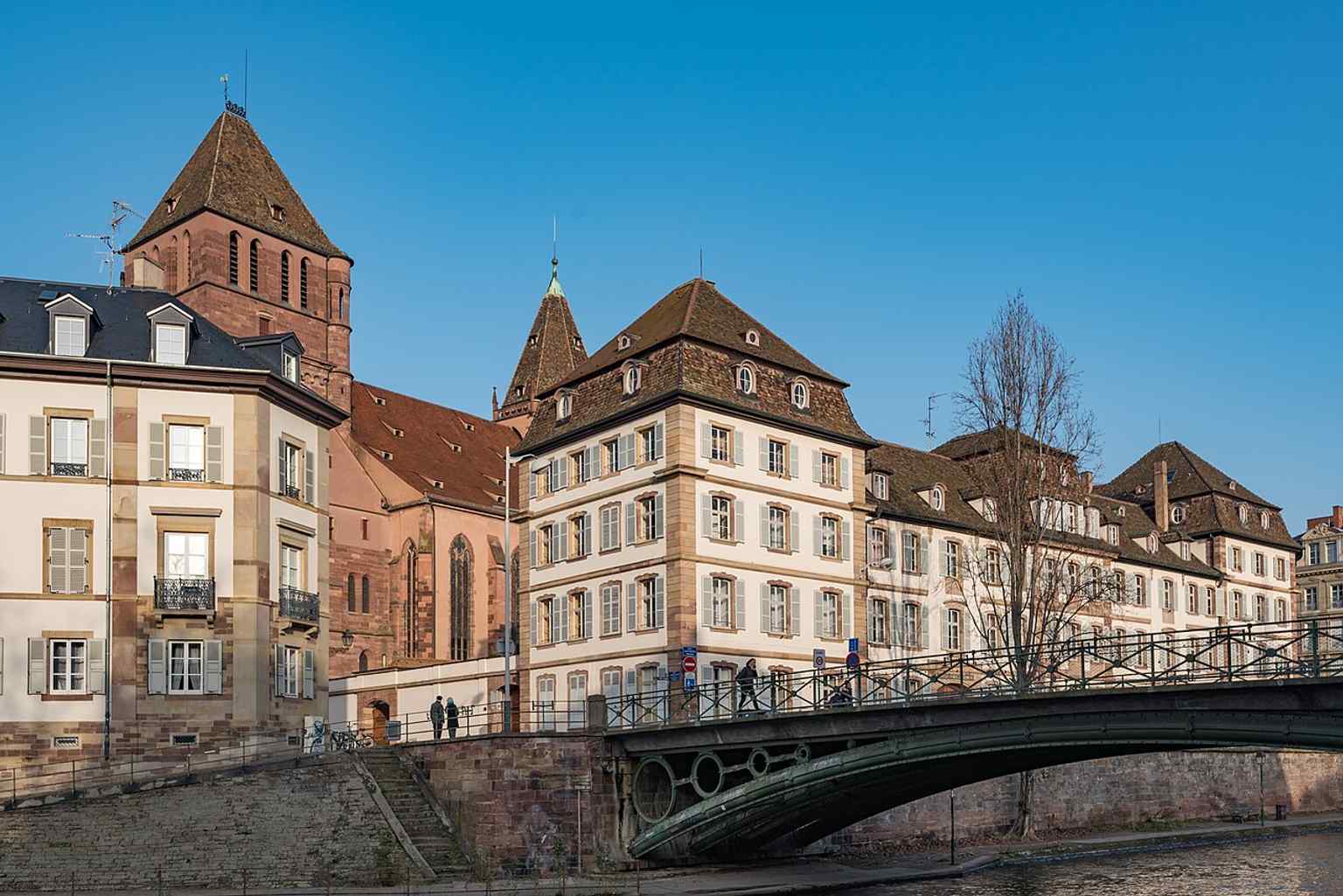
A clear street-level view of Saint Thomas Church, the historic Protestant landmark near Place Saint-Thomas in Strasbourg.
A clear street-level view of Saint Thomas Church, the historic Protestant landmark near Place Saint-Thomas in Strasbourg.Photo: Flocci Nivis, Wikimedia Commons, CC BY-SA 4.0. Cropped & resized.
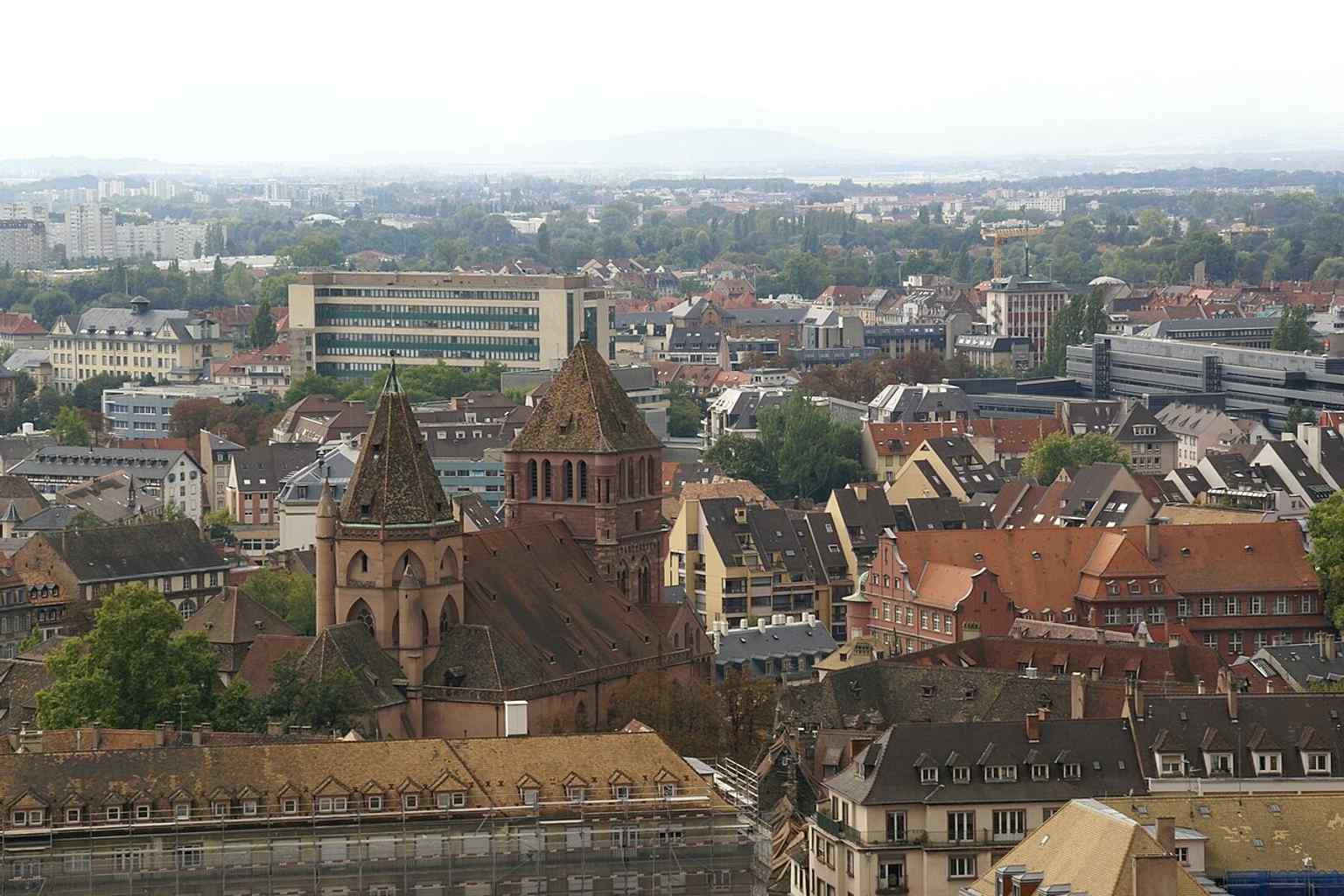
The church seen from across Strasbourg, showing its urban setting close to the cathedral and the old city center.
The church seen from across Strasbourg, showing its urban setting close to the cathedral and the old city center.Photo: Hermann Luyken, Wikimedia Commons, CC0. Cropped & resized.
A wider view from the Quai Saint-Thomas, helping place the church beside the riverfront and the Petite France area.
A wider view from the Quai Saint-Thomas, helping place the church beside the riverfront and the Petite France area.Photo: Tilman2007, Wikimedia Commons, CC BY-SA 4.0. Cropped & resized.
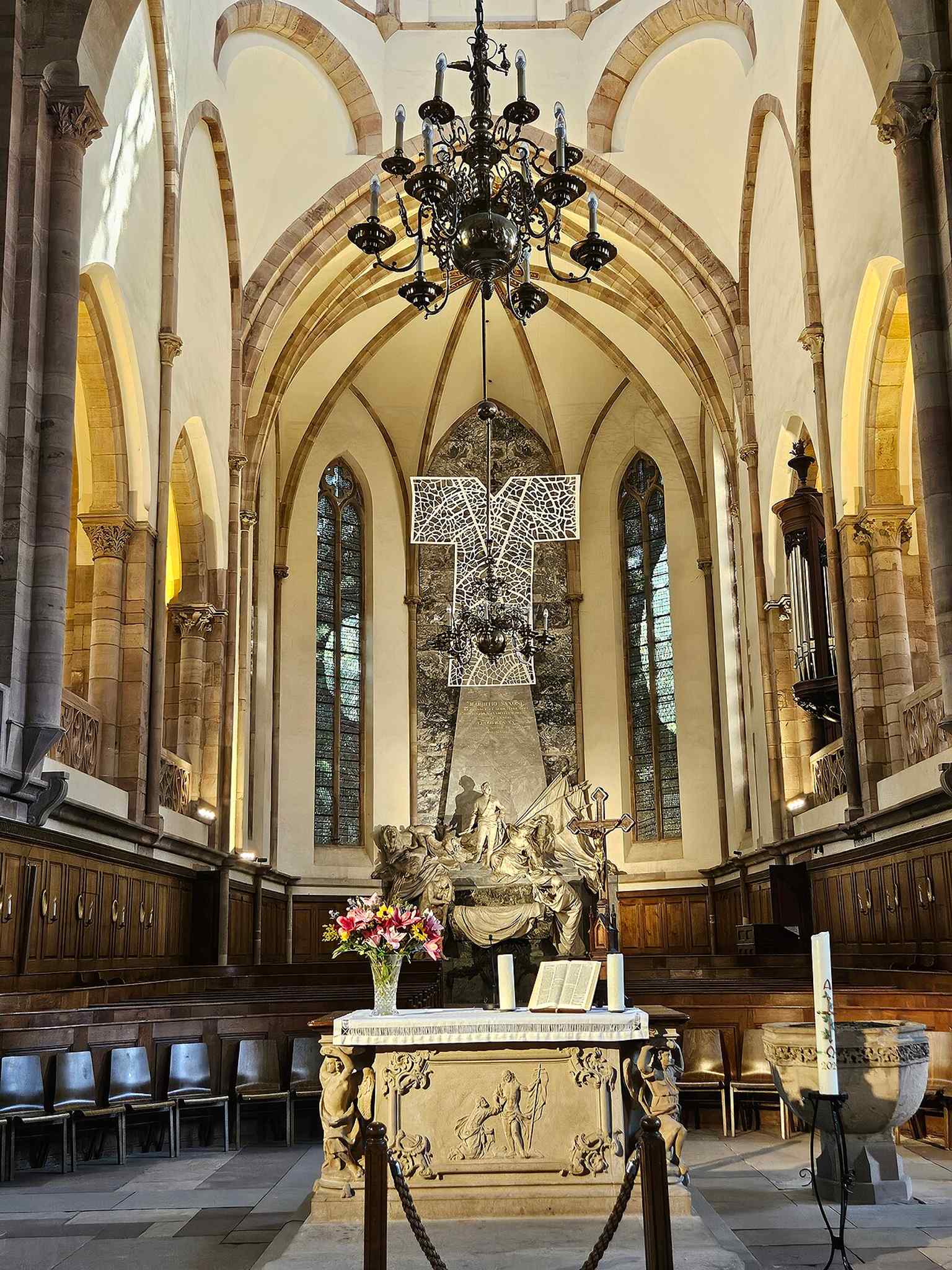
The altar in the church interior, useful for showing the active worship space that still serves Lutheran services today.
The altar in the church interior, useful for showing the active worship space that still serves Lutheran services today.Photo: John Samuel, Wikimedia Commons, CC BY-SA 4.0. Cropped & resized.
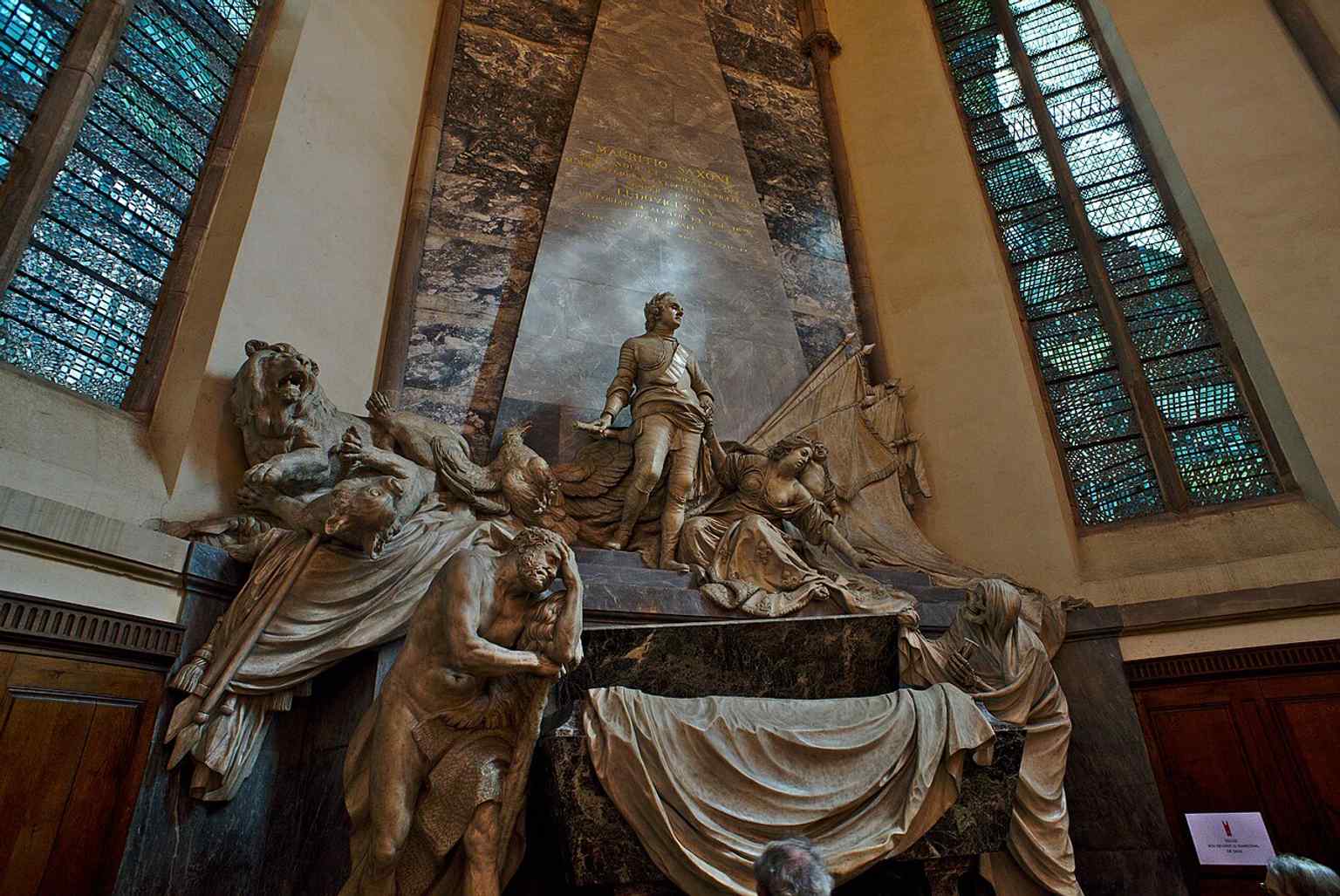
The tomb of Maurice de Saxe, the dramatic baroque monument that made this church famous beyond Alsace.
The tomb of Maurice de Saxe, the dramatic baroque monument that made this church famous beyond Alsace.Photo: Flocci Nivis, Wikimedia Commons, CC BY-SA 4.0. Cropped & resized.
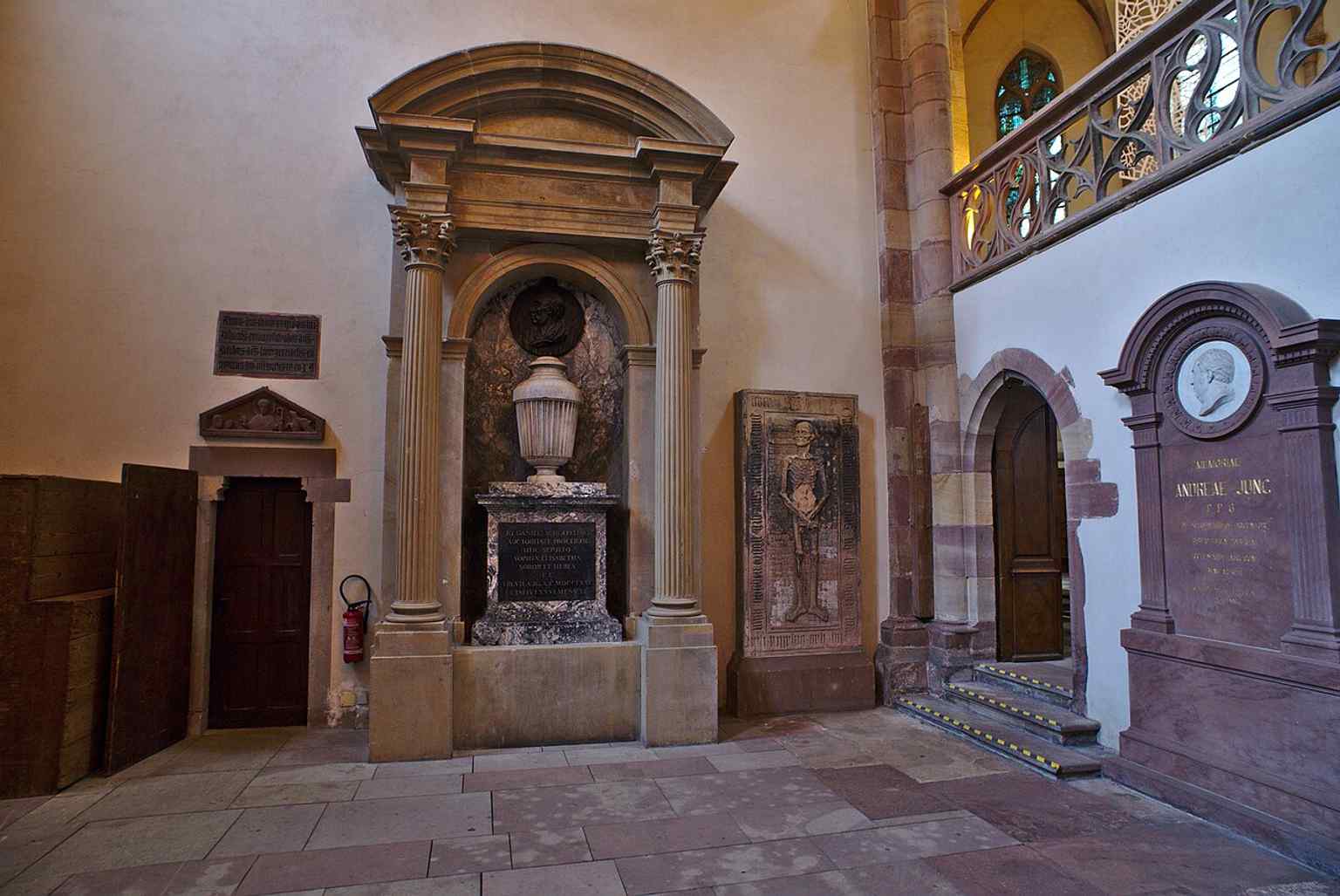
A funerary monument inside the church, reflecting Saint Thomas’s role as a burial place for notable Strasbourg figures.
A funerary monument inside the church, reflecting Saint Thomas’s role as a burial place for notable Strasbourg figures.Photo: Flocci Nivis, Wikimedia Commons, CC BY-SA 4.0. Cropped & resized.
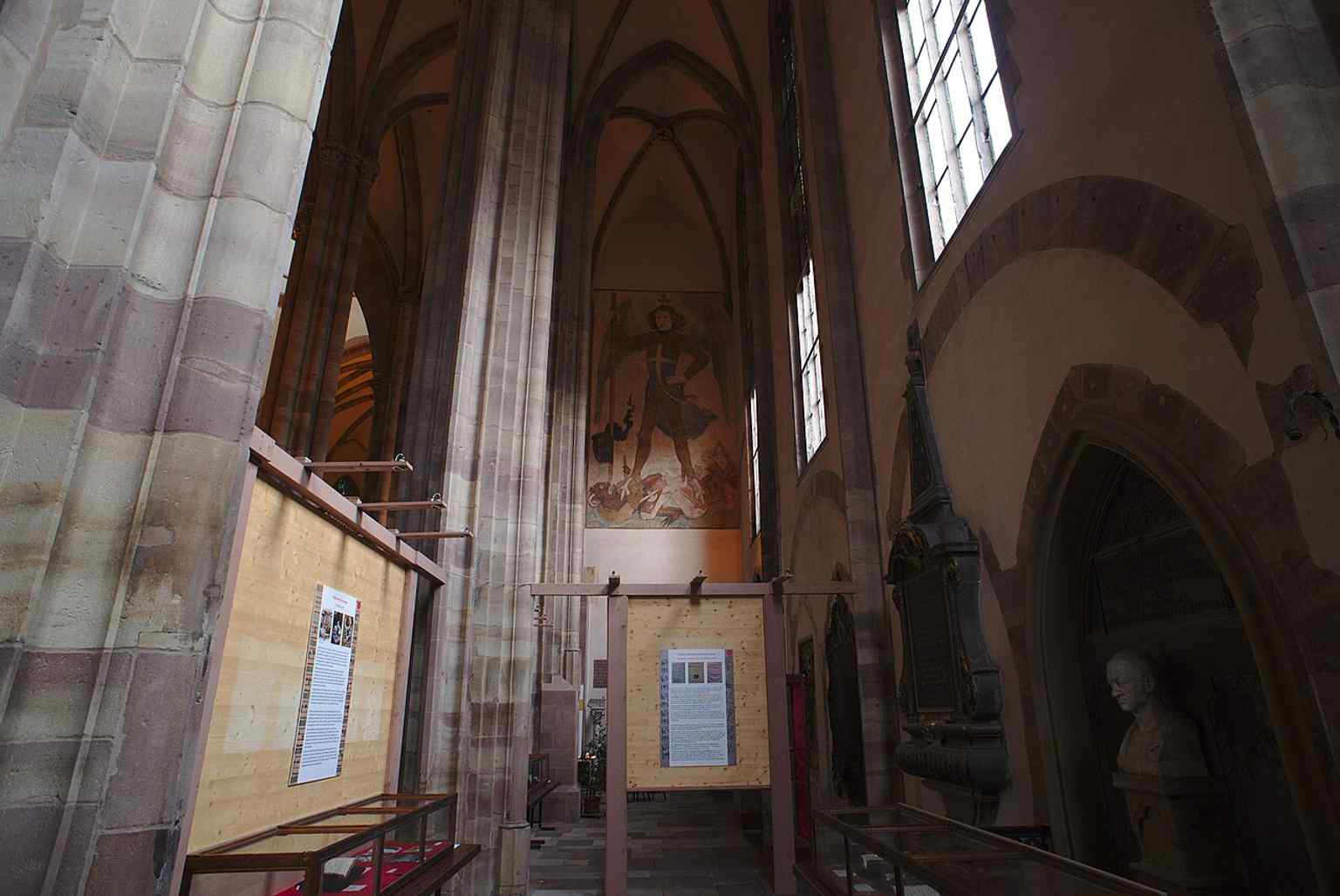
A wall painting in the church interior, linking the building to its layered medieval art and later restorations.
A wall painting in the church interior, linking the building to its layered medieval art and later restorations.Photo: Flocci Nivis, Wikimedia Commons, CC BY-SA 4.0. Cropped & resized.
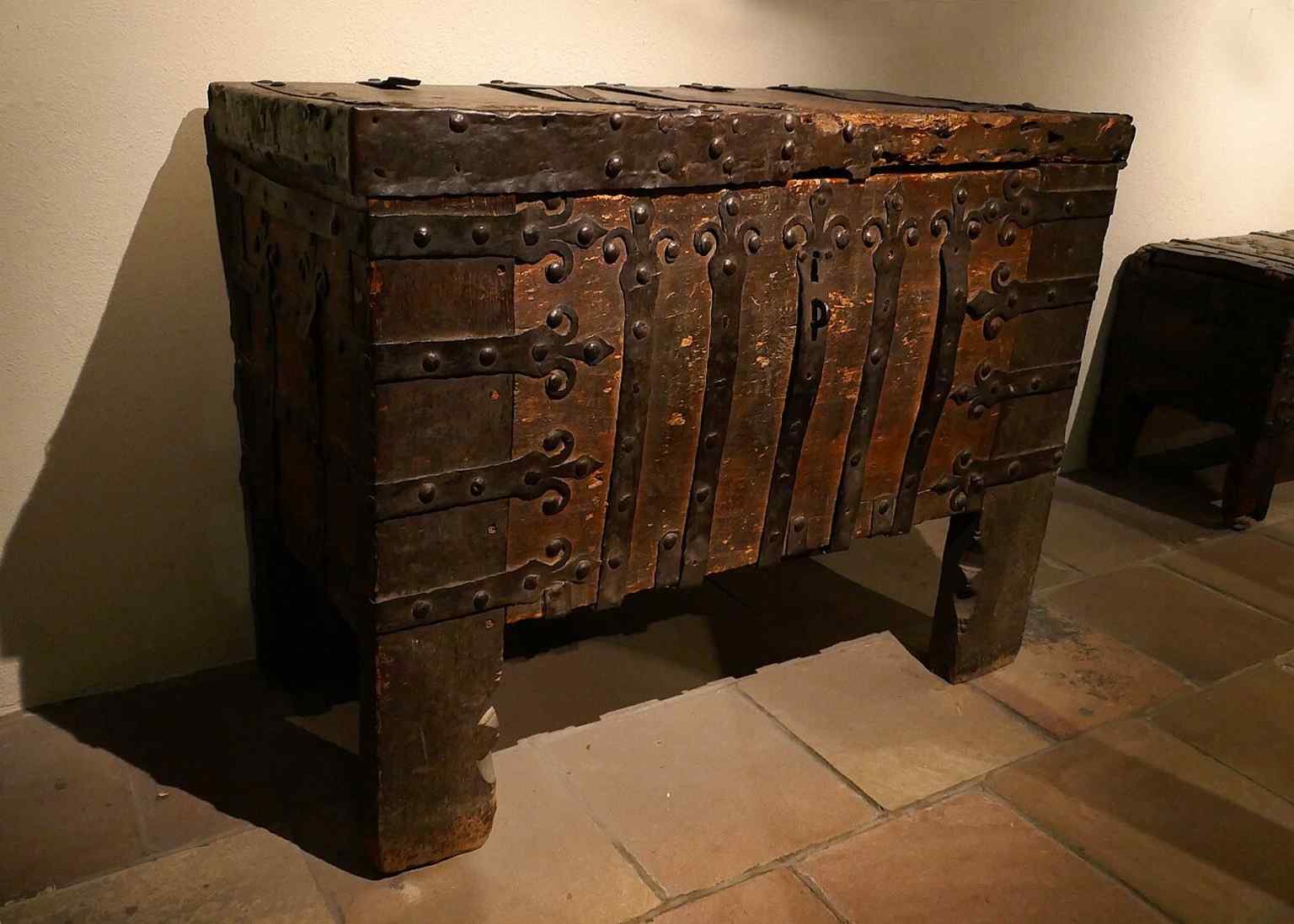
A medieval iron-bound chest from Saint Thomas, now in the Musée de l’Œuvre Notre-Dame, showing the church’s deep historical legacy.
A medieval iron-bound chest from Saint Thomas, now in the Musée de l’Œuvre Notre-Dame, showing the church’s deep historical legacy.Photo: Ji-Elle, Wikimedia Commons, CC BY-SA 4.0. Cropped & resized.
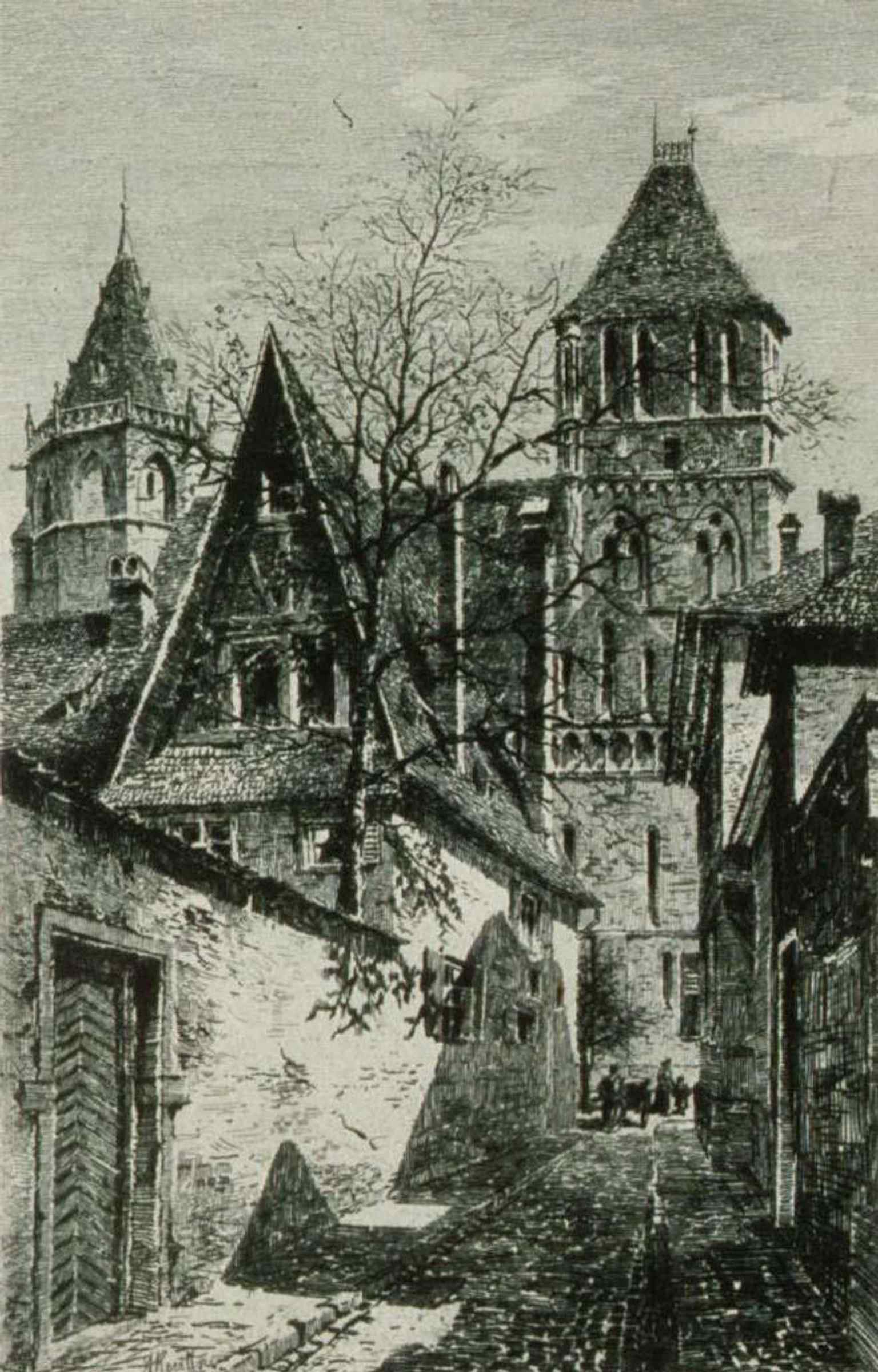
A 1898 street scene with Saint Thomas Church, useful for evoking the neighborhood around the church at the end of the 19th century.
A 1898 street scene with Saint Thomas Church, useful for evoking the neighborhood around the church at the end of the 19th century.Photo: Albert Koerttge, Wikimedia Commons, Public domain. Cropped & resized.
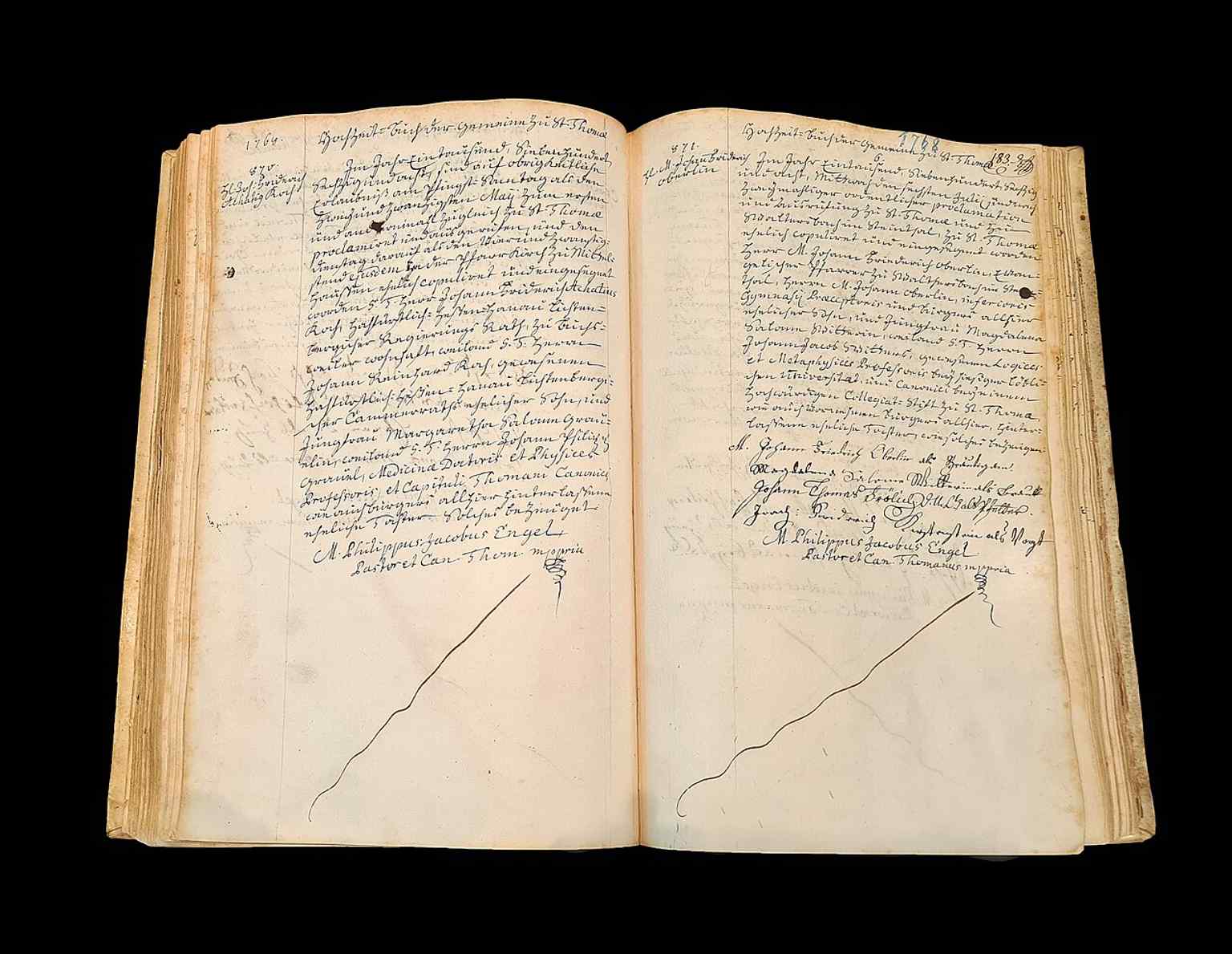
A Protestant marriage register from Saint Thomas, underscoring the church’s long role in Strasbourg’s Lutheran community.
A Protestant marriage register from Saint Thomas, underscoring the church’s long role in Strasbourg’s Lutheran community.Photo: Ji-Elle, Wikimedia Commons, CC BY-SA 4.0. Cropped & resized.
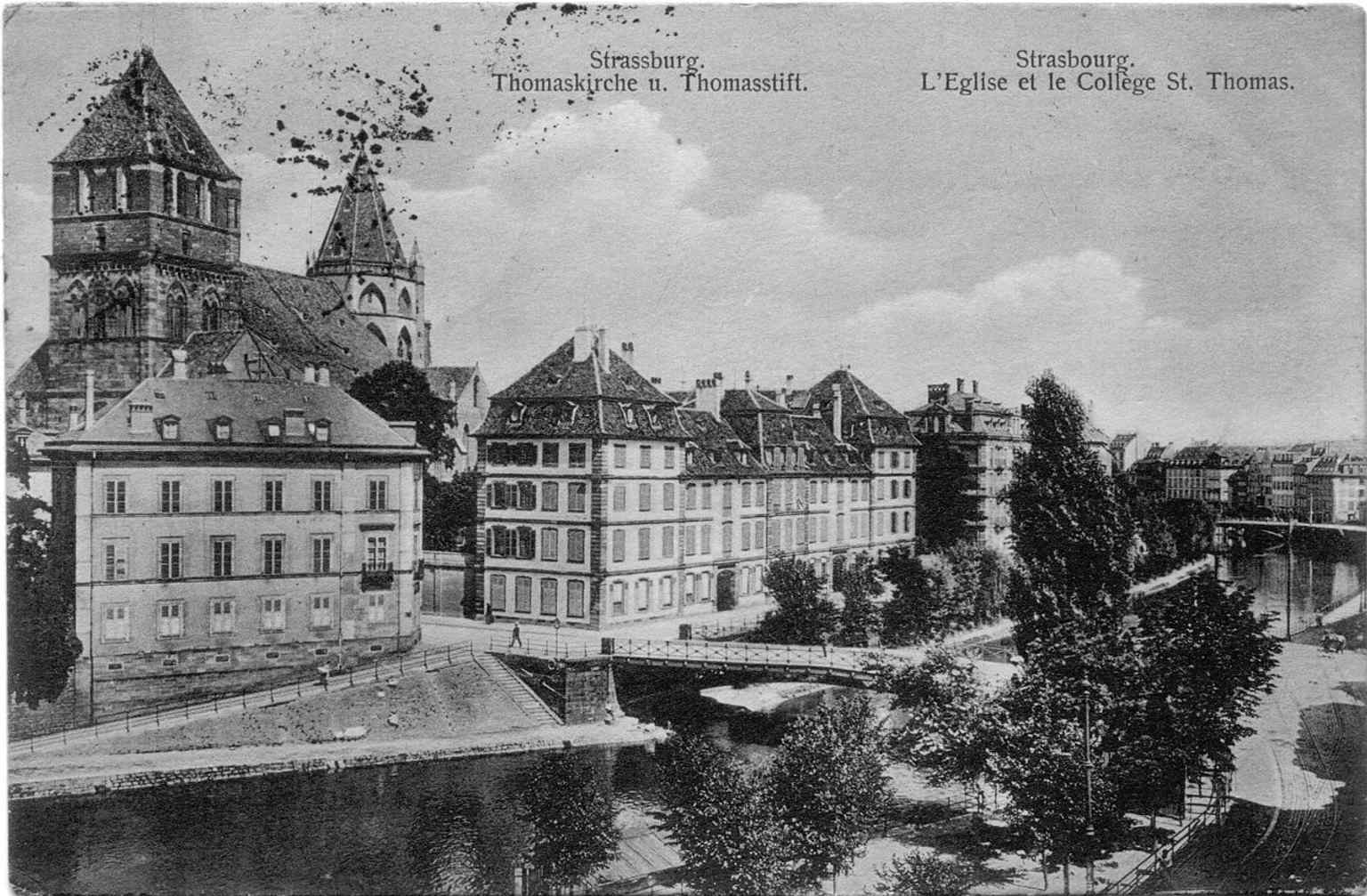
An old postcard of the Saint Thomas district, capturing the church’s historic setting before modern Strasbourg changed around it.
An old postcard of the Saint Thomas district, capturing the church’s historic setting before modern Strasbourg changed around it.Photo: Unknown authorUnknown author, Wikimedia Commons, Public domain. Cropped & resized.
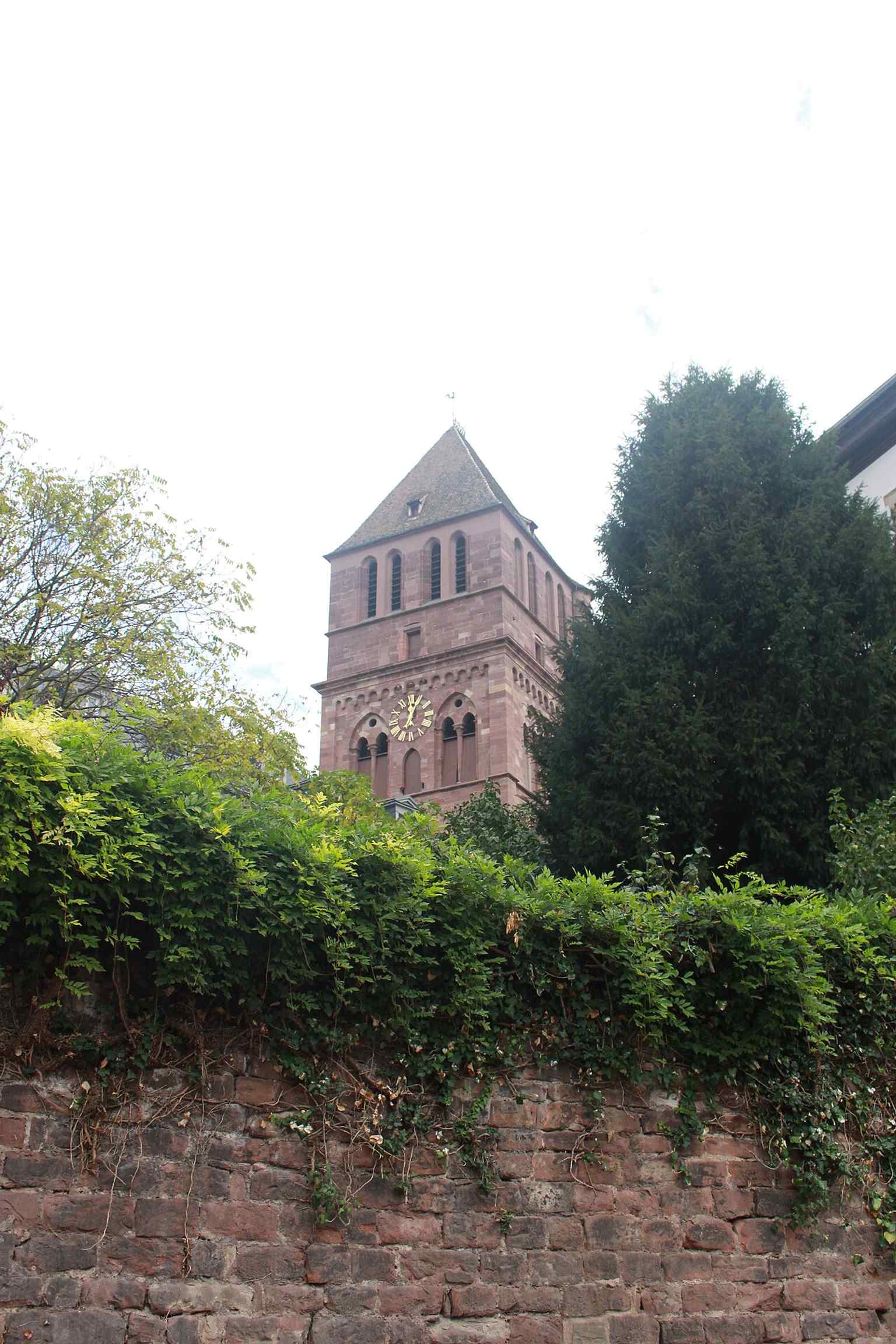
A close-up of the church tower, highlighting the Gothic silhouette that makes Saint Thomas recognizable from nearby streets.
A close-up of the church tower, highlighting the Gothic silhouette that makes Saint Thomas recognizable from nearby streets.Photo: Sami Mlouhi, Wikimedia Commons, CC BY-SA 4.0. Cropped & resized.
arrow_back Back to Strasbourg Highlights Audio Tour: Historic Treasures and Architectural Wonders
Loved by travellers

Thousands of tours started.
Plenty of opinions.

4.8 across the App Store and Google Play. Here's a few we keep coming back to.

starstarstarstarstar
This was a solid way to get to know Brighton without feeling like a tourist. The narration had depth and context, but didn't overdo it.
Christoph
Christoph
Brighton Tour
starstarstarstarstar
Started this tour with a croissant in one hand and zero expectations. The app just vibes with you, no pressure, just you, your headphones, and some cool stories.
download Get the app

Pop your headphones in.
Step outside.

Free to download. Tours in every city. Start in 60 seconds — no account, no card.

Download on the App StoreGet it on Google Play
starstarstarstarstar_half
4.8
AudaTours app icon
headphones
~ 4 min until your first tour starts
public
1,000+ cities worldwide
all_inclusive
AudaTours
Unlimited

Every tour. Every city. One subscription.

3097 tours2273 cities138 countries50+ languages