
50+ languages

 Munich · Germany
 Munich Audio Tours
Discover Munich with self-guided audio walking tours
headphones
2 tours
pin_drop
20 landmarks
translate
Munich tours
Pick a Munich worth walking.
Self-guided audio tours written by people who actually live there.
2 tours
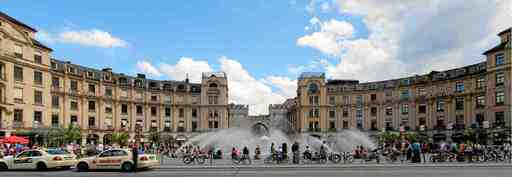
Munich Audio Tour: Heart of the City
Under Munichs neat facades, Stachus has heard cannon thunder, crowd surges, and the snap of politics turning on a single square. This self guided audio tour threads through Stachus, the Asamkirche, Viktualienmarkt and nearby corners, unlocking stories that slip past most visitors. Press play and let the city reveal its rebellions, scandals, quiet conspiracies, and overlooked clues. What happened when power shifted so fast at Stachus that the street itself became a battleground? Why does the Asamkirche feel like a secret staged in plain sight, and what was it meant to hide? Which oddly specific smell at Viktualienmarkt once signaled a forbidden trade, and who paid for it? Move from bright plazas into shadowed chapels and back to market noise, sensing Munich sharpen and deepen with every turn. Start now, and hear Stachus crackle again.
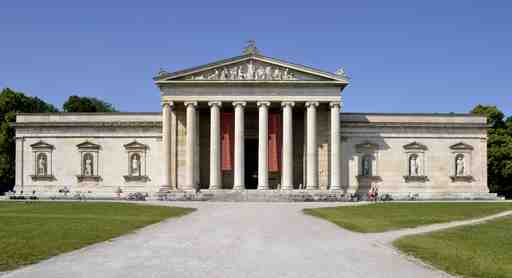
Munich Audio Tour: München's Treasures Unveiled
Beneath Munich’s elegant façades, secrets linger from royal scandals to vanished masterpieces. Behind every grand hall and silent statue lies a shadow of drama you won’t find in any guidebook. This self-guided audio tour invites you to roam the city’s storied heart, uncovering layers most passersby miss. Wander at your own pace as hidden tales come alive all around you. Who plotted forbidden intrigues within the gilded halls of the Munich Residenz? Why did entire galleries disappear overnight after flames swept through the Glaspalast? What ancient statue at the Glyptothek sparked a bizarre feud that echoes through art history? Move through marbled corridors and sunlit plazas where power, ambition, and genius collided. Each step turns back time, pulling you into conspiracies, triumphs, and forgotten treasures waiting to be found. Munich’s untold stories are closer than ever—begin your journey and unlock what lies beneath the surface.
Top landmarks
The Munich everyone knows.
The landmarks in every guidebook — and the tours that tell you what guidebooks don't.
A few words on Munich
Serious about pleasure. Bavaria's undiplomatic capital.
Munich was founded in 1158 by Henry the Lion, who destroyed a bridge upstream on the Salt Road and forced all the salt trade through his new crossing instead, then charged tolls. The Wittelsbach dynasty ruled Bavaria from Munich for 738 years after that, and their ambitions still define the city's skyline. The Residenz palace in the heart of the old town is a ten-courtyarded complex of baroque, rococo, and neoclassical halls that expanded over four centuries. The Marienplatz, the city's main square, is anchored by the Neues Rathaus, a neo-Gothic confection completed in 1908 whose glockenspiel tower enacts the story of a 1568 joust at 11am and noon daily, and every tourist watches it and every local pretends it does not exist.
The English Garden, laid out from 1789 on the orders of the American-born Bavarian court administrator Benjamin Thompson, is 373 hectares of parkland running through the heart of Munich, larger than New York's Central Park.
At the Eisbach, a narrow artificial channel at the park's southern edge, a standing wave created by a concrete sluice has been ridden by surfers continuously since the 1970s, all year, in wetsuits when necessary. The river Isar runs through the city and in summer Munich residents colonize its sandy banks for sunbathing in a matter-of-fact way that surprises visitors who expected more propriety from a German city.
Munich
Munich FAQ
Before you walk.
The Altstadt is very walkable and largely car-free. The Marienplatz, Viktualienmarkt, the Residenz, and the Frauenkirche twin towers all fall within a short walk of each other. The English Garden is a 15-minute walk or short U-Bahn ride from the center.
The S-Bahn S1 and S8 lines run directly from Munich Airport to the Hauptbahnhof (central station) in about 40 minutes. Trains run every 10 minutes during peak hours. This is one of the most reliable airport-to-city rail connections in Europe.
A walking tour in the morning followed by Oktoberfest in the afternoon and evening is the standard approach for visitors. The Theresienwiese festival grounds are a 15-minute walk from the Hauptbahnhof, or two stops on the U4 or U5 lines. Book tent reservations months in advance or arrive early in the morning for non-reserved seating.
Weisswurst (white veal and pork sausages) with sweet mustard and a pretzel, traditionally eaten before noon, is the quintessential Munich breakfast. The Viktualienmarkt in the city center is the best place to graze through Bavarian cheese, bread, and regional produce. Schnitzel with potato salad from a traditional gasthaus will serve you well at lunch.
Every Munich tour, in your language.
All 50+ languages, included with every booking.
🇬🇧 English🇫🇷 Français🇪🇸 Español🇩🇪 Deutsch🇮🇹 Italiano🇯🇵 日本語🇨🇳 中文🇰🇷 한국어+ 41 more
star AudaTours Unlimited
Visiting more than one city? Subscribe.
Unlock every Munich tour — plus thousands more worldwide. Cancel any time.
$4.99/week · Cancel anytime


Loved by travellersThousands of tours started.
Thousands of tours started.
Plenty of opinions.
4.8 across the App Store and Google Play. Here's a few we keep coming back to.
starstarstarstarstar
This tour was such a great way to see the city. The stories were interesting without feeling too scripted, and I loved being able to explore at my own pace.

Jess
Tbilisi Tourstarstarstarstarstar
This was a solid way to get to know Brighton without feeling like a tourist. The narration had depth and context, but didn't overdo it.

Christoph
Brighton Tourstarstarstarstarstar
Started this tour with a croissant in one hand and zero expectations. The app just vibes with you, no pressure, just you, your headphones, and some cool stories.

John
Marseille Tourdownload Get the app Pop your headphones in.


Pop your headphones in.
Step outside.
Free to download. Tours in every city. Start in 60 seconds — no account, no card.

headphones
~ 4 min until your first tour starts
public
1,000+ cities worldwide
all_inclusive
AudaTours
Unlimited
Every tour. Every city. One subscription.
3097 tours2273 cities138 countries50+ languages
$39 /year
all_inclusive Explore Unlimited