
50+ languages

 Tripoli · Lebanon
 Tripoli Audio Tours
Discover Tripoli with self-guided audio walking tours
headphones
2 tours
pin_drop
12 landmarks
translate
Tripoli tours
Pick a Tripoli worth walking.
Self-guided audio tours written by people who actually live there.
2 tours
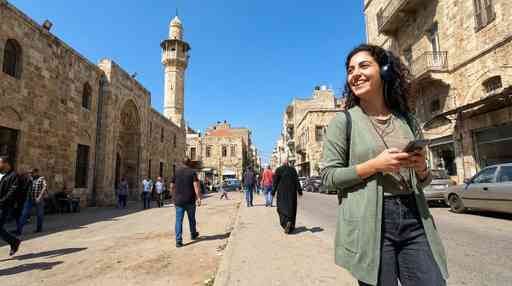
Tripoli Highlights Audio Tour: Historical Architecture
Tripoli is a city of layers where Mamluk stone whispers secrets beneath the shadow of cold modernist concrete. Beneath the surface of this vibrant hub lies a history forged in political rebellions, architectural ambition, and forgotten scandals. This self-guided audio tour acts as your personal key to the city. Unlock narratives that remain invisible to the average traveler while wandering between the Taynal Mosque and the Rashid Karami International Fair. Why does an unfinished masterpiece of mid-century architecture still spark heated debates in the corridors of power? What dark truth remains buried beneath the serene arches of the Hanging Mosque? Which local merchant once accidentally sparked a week of citywide chaos over a stolen silk shipment? Traverse the shifting textures of this labyrinthine landscape. Experience the emotional weight of a city that never stops evolving. See the truth behind the masonry. Start your journey into the heart of Tripoli now.
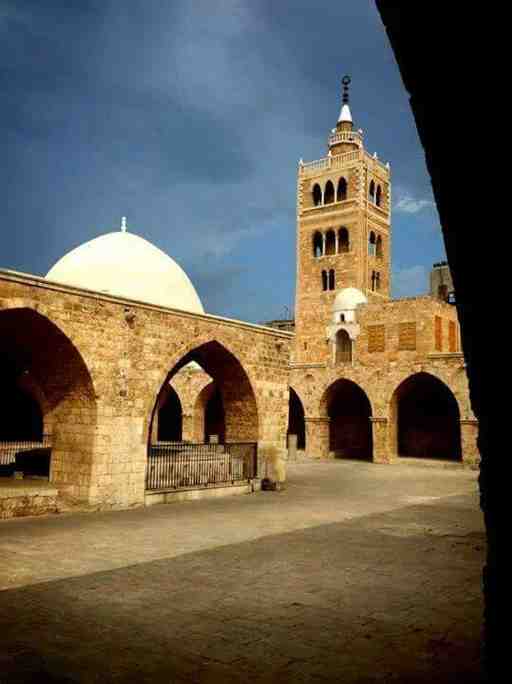
Tripoli Audio Tour: Minarets, Manuscripts & Fortress Echoes
An ancient echo drifts through Tripoli’s tangled alleyways where soaring minarets pierce the sun and secrets linger in battered stone walls. Explore this city on a self-guided audio tour and uncover hidden stories that most visitors never even sense. No guidebooks here—only whispered tales and forgotten turns. Why did desperate rebels once lock themselves inside the Mansouri Great Mosque during a midnight siege? What whispers float behind the timeworn doors of Al-Attar Mosque, hinting at betrayals and lost treasures? And who left a strange inscription high up within the Taynal Mosque’s dome, puzzling scholars for centuries? Move through centuries in moments. Stand where sultans schemed and merchants vanished. Let Tripoli reveal itself in flickers of mystery and bursts of drama as you walk its living corridors. Press play. The city’s shadows wait and its stories demand a witness.
Top landmarks
The Tripoli everyone knows.
The landmarks in every guidebook — and the tours that tell you what guidebooks don't.
A few words on Tripoli
The city that Cairo's Mamluks built in the shadow of the Crusaders.
Tripoli is Lebanon's second city and its most historically dense: the old city holds the highest concentration of Mamluk architecture outside Cairo, a legacy of the 1289 conquest by Sultan Qalawun that replaced the Crusader city with a new urban grid of mosques, madrasas, hammams, and souks. The Mansouri Great Mosque was converted from a Crusader cathedral, the minaret rising where a bell tower stood. The Khan al-Saboun (Soap Khan) has been a soap market since the 14th century, where blocks of olive oil soap are stacked to the ceiling and the smell is nothing like any factory soap you have encountered.
The Citadel of Tripoli, the largest Crusader castle in Lebanon, sits on a hill above the old city.
Below it, the souks of the old medina run in specializations that have not changed in centuries: a street of cobblers, a street of gold, a street of fabrics. The 1906 Ottoman clock tower at the center was a gift to the city after the Young Turk Revolution and was restored in 1992. Oscar Niemeyer designed the Rachid Karami International Fair complex for a 1975 exposition that never opened because the civil war began that same year; the vast unfinished pavilions on the outskirts of the city are now a UNESCO World Heritage Site in a state of beautiful suspended animation.
Tripoli
Tripoli FAQ
Before you walk.
Tripoli is about 85 kilometers north of Beirut. The most comfortable option is a shared taxi (service taxi) from Beirut's Charles Helou bus station -- the journey takes 1-1.5 hours depending on traffic. Buses are cheaper but slower. Minibuses also operate on this route. Once in Tripoli, the old city is compact enough to walk; taxis are available for reaching the Citadel or the Niemeyer fair complex further from the center.
The old souk area and historic center are safe for visitors during the day and are active commercial neighborhoods with a normal working-city atmosphere. Keep an eye on current local news before visiting, as Tripoli has experienced periodic political tensions -- these are generally localized and situation-specific. Walking through the souks with headphones is fine and local residents are generally welcoming to visitors who show genuine interest in the historic neighborhood.
Lebanese mobile networks (Alfa, MTC Touch) provide coverage throughout Tripoli's city center. Data rates can be expensive for international visitors without a local SIM -- purchasing one at the airport or a telecom shop in Beirut before traveling is recommended. Download your tour before arriving in the old city, as the density of old buildings can create connectivity inconsistencies.
Knafeh is non-negotiable -- the Tripoli version uses akkawi cheese under the shredded pastry and is served warm with syrup at shops like Abdul Rahman Hallab that have been operating for generations. Lahm baajin (Lebanese flatbread with spiced meat) from the wood-fired ovens near the souks is excellent. The halawet el-jibn (cheese-stuffed semolina rolls) and Lebanese ice cream thickened with mastic and sahlab are the other essential stops for anyone serious about the city's sweet culture.
Every Tripoli tour, in your language.
All 50+ languages, included with every booking.
🇬🇧 English🇫🇷 Français🇪🇸 Español🇩🇪 Deutsch🇮🇹 Italiano🇯🇵 日本語🇨🇳 中文🇰🇷 한국어+ 41 more
star AudaTours Unlimited
Visiting more than one city? Subscribe.
Unlock every Tripoli tour — plus thousands more worldwide. Cancel any time.
$4.99/week · Cancel anytime

More in Lebanon
Explore Lebanon arrow_forwardOther cities to walk in Lebanon.

Loved by travellersThousands of tours started.
Thousands of tours started.
Plenty of opinions.
4.8 across the App Store and Google Play. Here's a few we keep coming back to.
starstarstarstarstar
This tour was such a great way to see the city. The stories were interesting without feeling too scripted, and I loved being able to explore at my own pace.

Jess
Tbilisi Tourstarstarstarstarstar
This was a solid way to get to know Brighton without feeling like a tourist. The narration had depth and context, but didn't overdo it.

Christoph
Brighton Tourstarstarstarstarstar
Started this tour with a croissant in one hand and zero expectations. The app just vibes with you, no pressure, just you, your headphones, and some cool stories.

John
Marseille Tourdownload Get the app Pop your headphones in.


Pop your headphones in.
Step outside.
Free to download. Tours in every city. Start in 60 seconds — no account, no card.

headphones
~ 4 min until your first tour starts
public
1,000+ cities worldwide
all_inclusive
AudaTours
Unlimited
Every tour. Every city. One subscription.
3097 tours2273 cities138 countries50+ languages
$39 /year
all_inclusive Explore Unlimited