50+ languages

 Nador · Morocco
 Nador Audio Tours
Discover Nador with self-guided audio walking tours
headphones
1 tours
translate

A few words on Nador
Rif Berber coast where Spain left its shadow
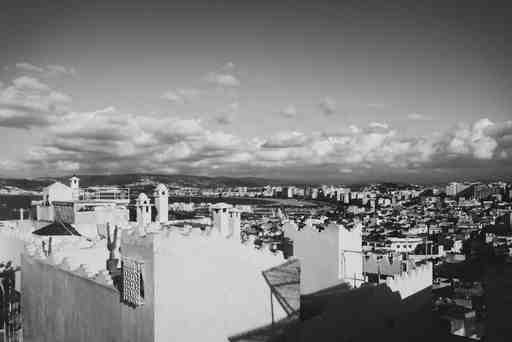
Nador occupies a northeastern corner of Morocco that most itineraries skip entirely, wedged between the Rif Mountains and the Mediterranean with the Spanish exclave of Melilla just eight kilometers down the road. That proximity explains a great deal about the city's character: the cafes serve espresso as often as mint tea, Spanish is spoken as freely as Tarifit Berber, and the architecture of the old center carries traces of the colonial administration that ran the region until independence in 1956.
The Marchica Lagoon, a 25-kilometer stretch of enclosed saltwater separated from the Mediterranean by a narrow sandbar, defines the landscape east of the city.
The lagoon has been developed as a tourist zone, but its bird population and the fishing boats that still work its calm waters give it a texture that resists pure resort status. The Rif Mountains rising to the south are the ancestral territory of the Riffian Amazigh people, whose 1920s resistance against Spanish colonial forces under Abd el-Krim remains one of the most significant anticolonial guerrilla campaigns in history.
Nador
Nador FAQ
Before you walk.
The Marchica Lagoon is a natural enclosed sea lagoon stretching 25 kilometers east of Nador, separated from the Mediterranean by a narrow strip of land. It offers swimming, kayaking, fishing, and birdwatching. The lagoon development project has built hotels and promenades along parts of the shore, but much of the area remains quiet.
Yes. The Beni Enzar border crossing between Nador and Melilla is open daily and is the main entry point. EU citizens and most nationalities can cross freely. The drive or taxi from Nador center to the border is about 10 minutes. Melilla is Spanish territory with its own currency (euro), duty-free shopping, and Spanish colonial architecture.
The local Berber language is Tarifit (also called Riffian), which belongs to the Zenati branch of Amazigh languages. Most residents also speak Moroccan Arabic and many speak Spanish, reflecting the colonial history. French is less common here than in central Morocco.
Spring (April to June) and early autumn (September to October) are ideal: the Mediterranean coast is warm but not scorching, the lagoon is calm, and the mountains are green from winter rains. July and August bring heat and the arrival of the diaspora community returning from Europe for summer holidays, which makes the city crowded but unusually animated.
Every Nador tour, in your language.
All 50+ languages, included with every booking.
🇬🇧 English🇫🇷 Français🇪🇸 Español🇩🇪 Deutsch🇮🇹 Italiano🇯🇵 日本語🇨🇳 中文🇰🇷 한국어+ 41 more
star AudaTours Unlimited
Visiting more than one city? Subscribe.
Unlock every Nador tour — plus thousands more worldwide. Cancel any time.
$4.99/week · Cancel anytime

More in Morocco
Explore Morocco arrow_forwardOther cities to walk in Morocco.

Loved by travellersThousands of tours started.
Thousands of tours started.
Plenty of opinions.
4.8 across the App Store and Google Play. Here's a few we keep coming back to.
starstarstarstarstar
This tour was such a great way to see the city. The stories were interesting without feeling too scripted, and I loved being able to explore at my own pace.

Jess
Tbilisi Tourstarstarstarstarstar
This was a solid way to get to know Brighton without feeling like a tourist. The narration had depth and context, but didn't overdo it.

Christoph
Brighton Tourstarstarstarstarstar
Started this tour with a croissant in one hand and zero expectations. The app just vibes with you, no pressure, just you, your headphones, and some cool stories.

John
Marseille Tourdownload Get the app Pop your headphones in.


Pop your headphones in.
Step outside.
Free to download. Tours in every city. Start in 60 seconds — no account, no card.
headphones
~ 4 min until your first tour starts
public
1,000+ cities worldwide
all_inclusive
AudaTours
Unlimited
Every tour. Every city. One subscription.
3097 tours2273 cities138 countries50+ languages
$39 /year
all_inclusive Explore Unlimited