
50+ languages

 Rabat · Morocco
 Rabat Audio Tours
Discover Rabat with self-guided audio walking tours
headphones
2 tours
pin_drop
20 landmarks
translate
Rabat tours
Pick a Rabat worth walking.
Self-guided audio tours written by people who actually live there.
2 tours
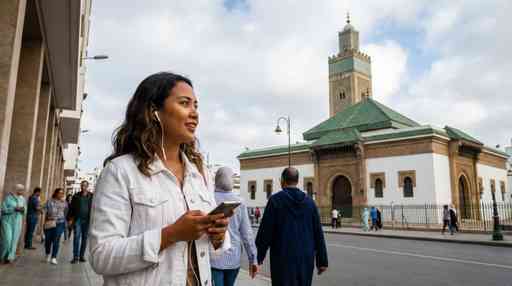
Rabat Highlights Audio Tour: Imperial Heritage and Cultural Treasures
Beneath the whitewashed walls of the Kasbah of the Udayas lies a city built on the bones of corsairs and the ghosts of forgotten empires. Rabat is not just a capital. It is a labyrinth of power, rebellion, and secrets waiting to be unearthed. Unlock these mysteries with a self guided audio tour designed to lead you far beyond the standard tourist trail. Decode the hidden narratives woven into the stone and shadow of the city. Why did a grand cathedral become a symbol of a desperate colonial defiance? What nameless tragedy haunts the silent, marble halls of the Mausoleum of Mohammed V? And which secret passage beneath the city once hid a pirate king from his own vengeful crew? Traverse the shifting currents of Moroccan history. Let the rhythm of the streets pulse through your feet as you transform from an observer into a witness of time. Start your descent into the heart of Rabat now.
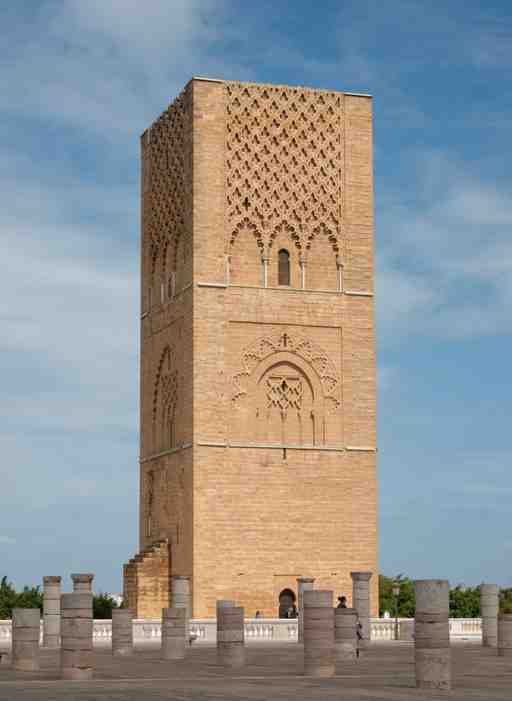
Rabat Audio Tour: Echoes of Hassan—Mosques, Museums & Monuments
At the heart of Rabat, the shadow of the Hassan Tower stretches over secrets older than the country itself. Behind its red stone and the rhythmic pulse of Mawazine’s music, a world of forgotten power plays and shimmering intrigue waits to be uncovered. This self-guided audio tour invites you to move at your own pace, finding the stories hidden in plain sight across Hassan. Explore corners few tourists ever find and unlock the true spirit of the city for yourself. Why did a single call to prayer once stop a rebellion in its tracks on these very steps? What mysterious role did the Bank Al-Maghrib play during a midnight crisis? Who vanished during one fateful festival, never to be seen again? Each turn lets you walk through a living maze of drama, ambition, and wonder. Let stories leap from the stones and make history feel present and electric. Begin your journey at the Tower’s feet and see Hassan as only the bold ever do.
Top landmarks
The Rabat everyone knows.
The landmarks in every guidebook — and the tours that tell you what guidebooks don't.
A few words on Rabat
Morocco's calmer, more considered capital.
Rabat sits at the mouth of the Bou Regreg River where it meets the Atlantic, across the water from its older twin city Sale, and has a quality of contained elegance that Marrakesh and Fes do not. It has been Morocco's political capital since 1912 when the French Protectorate moved the administrative centre here from Fes, and four of its historic elements are collectively UNESCO World Heritage listed: the medina, the Kasbah of the Udayas, the Hassan Tower, and the Chellah necropolis. That is an unusual density of World Heritage Sites for a single city and reflects how much of the Islamic and Almohad past survives within its limits.
The Hassan Tower, an unfinished minaret from the 12th century that was meant to be the tallest in the world when it was commissioned by Sultan Yacoub al-Mansour in 1195, stands on a platform surrounded by the stumps of several hundred columns, all that remains of the great mosque beneath.
The Mausoleum of Mohammed V next to it is the finest example of modern Alaouite architecture in Morocco, with carved plaster, cedar wood, and zellij tilework on a scale that takes some time to absorb. The medina here is smaller and less touristically pressured than Fes or Marrakesh, which makes walking it with a phone in your hand considerably less anxious.
Rabat
Rabat FAQ
Before you walk.
Rabat's medina is significantly smaller and less labyrinthine than Fes and considerably less hassle from touts. The main street Rue Souika runs through its centre and is easy to orientate from. As in any Moroccan medina, some streets narrow into genuine mazes but the medina here is compact enough that getting seriously lost is unlikely.
The Kasbah of the Udayas, the Hassan Tower, and the medina are all in the same compact northern area of the city and can be combined in a half-day walk. The Chellah necropolis is about 2 kilometres south, a pleasant walk along Boulevard Mohammed V or reachable by petit taxi. Rabat also has a modern tram system that connects the centre to suburban neighborhoods.
Harira, the tomato, lentil, and lamb soup traditionally served to break the fast during Ramadan, is available year-round and is a good introduction to Moroccan flavors. Pastilla, a sweet-savory pie of pigeon or chicken with almonds and cinnamon in paper-thin pastry, is a Fassi speciality available in Rabat's better restaurants. The fresh fish near the port area is excellent and very cheap.
Sale is visible from the Kasbah of the Udayas across the Bou Regreg River and is reachable by a short walk across the pedestrian bridge. It has its own medina that is significantly less visited than Rabat's. Casablanca is 90 kilometres south and reachable in 45 minutes by train from Rabat Agdal station, making a half-day trip entirely practical.
Every Rabat tour, in your language.
All 50+ languages, included with every booking.
🇬🇧 English🇫🇷 Français🇪🇸 Español🇩🇪 Deutsch🇮🇹 Italiano🇯🇵 日本語🇨🇳 中文🇰🇷 한국어+ 41 more
star AudaTours Unlimited
Visiting more than one city? Subscribe.
Unlock every Rabat tour — plus thousands more worldwide. Cancel any time.
$4.99/week · Cancel anytime

More in Morocco
Explore Morocco arrow_forwardOther cities to walk in Morocco.
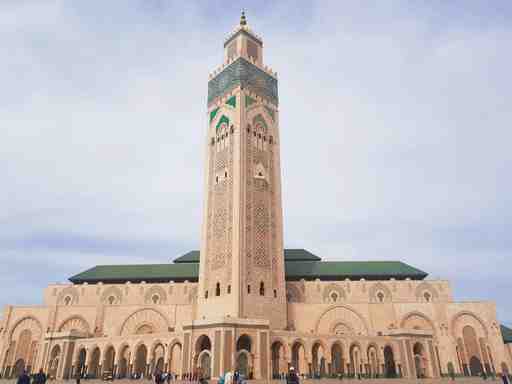

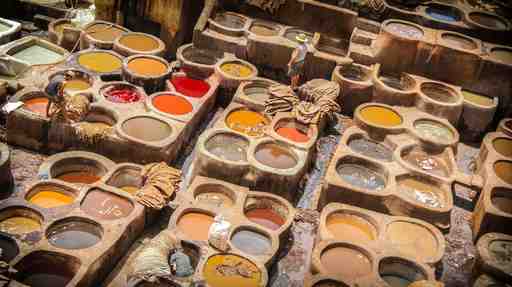

Loved by travellersThousands of tours started.
Thousands of tours started.
Plenty of opinions.
4.8 across the App Store and Google Play. Here's a few we keep coming back to.
starstarstarstarstar
This tour was such a great way to see the city. The stories were interesting without feeling too scripted, and I loved being able to explore at my own pace.

Jess
Tbilisi Tourstarstarstarstarstar
This was a solid way to get to know Brighton without feeling like a tourist. The narration had depth and context, but didn't overdo it.

Christoph
Brighton Tourstarstarstarstarstar
Started this tour with a croissant in one hand and zero expectations. The app just vibes with you, no pressure, just you, your headphones, and some cool stories.

John
Marseille Tourdownload Get the app Pop your headphones in.


Pop your headphones in.
Step outside.
Free to download. Tours in every city. Start in 60 seconds — no account, no card.

headphones
~ 4 min until your first tour starts
public
1,000+ cities worldwide
all_inclusive
AudaTours
Unlimited
Every tour. Every city. One subscription.
3097 tours2273 cities138 countries50+ languages
$39 /year
all_inclusive Explore Unlimited