
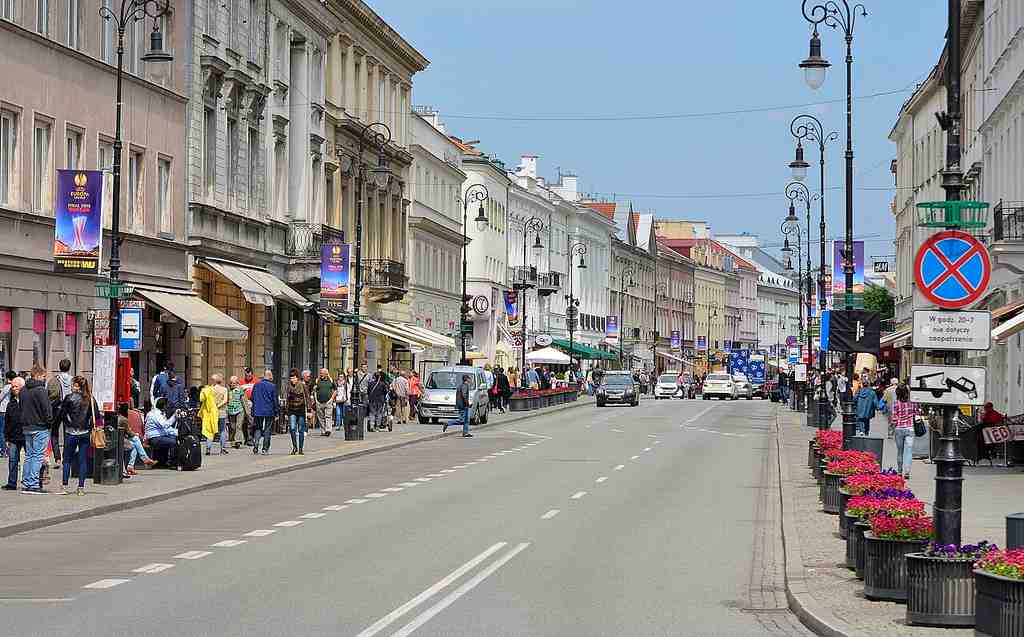
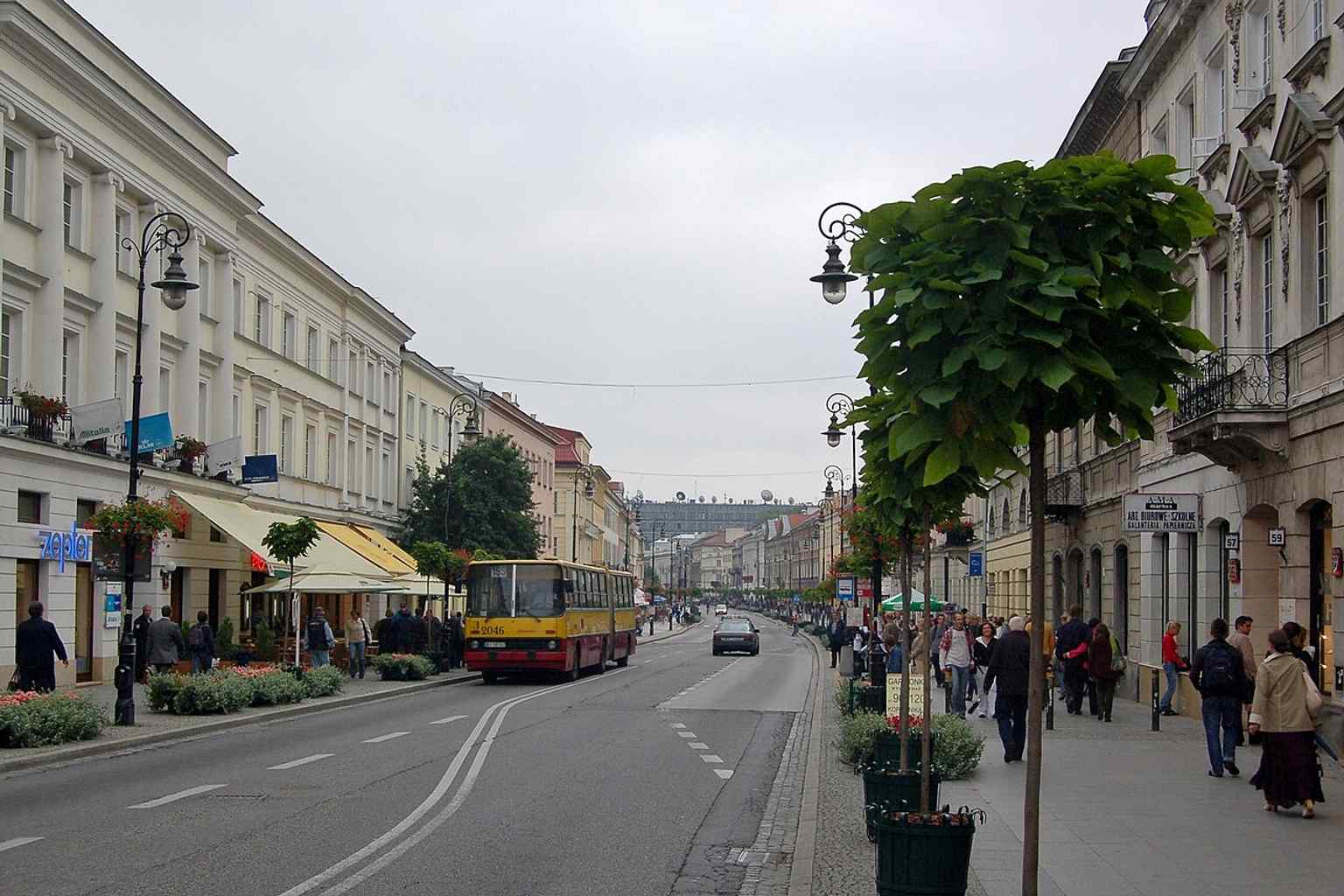
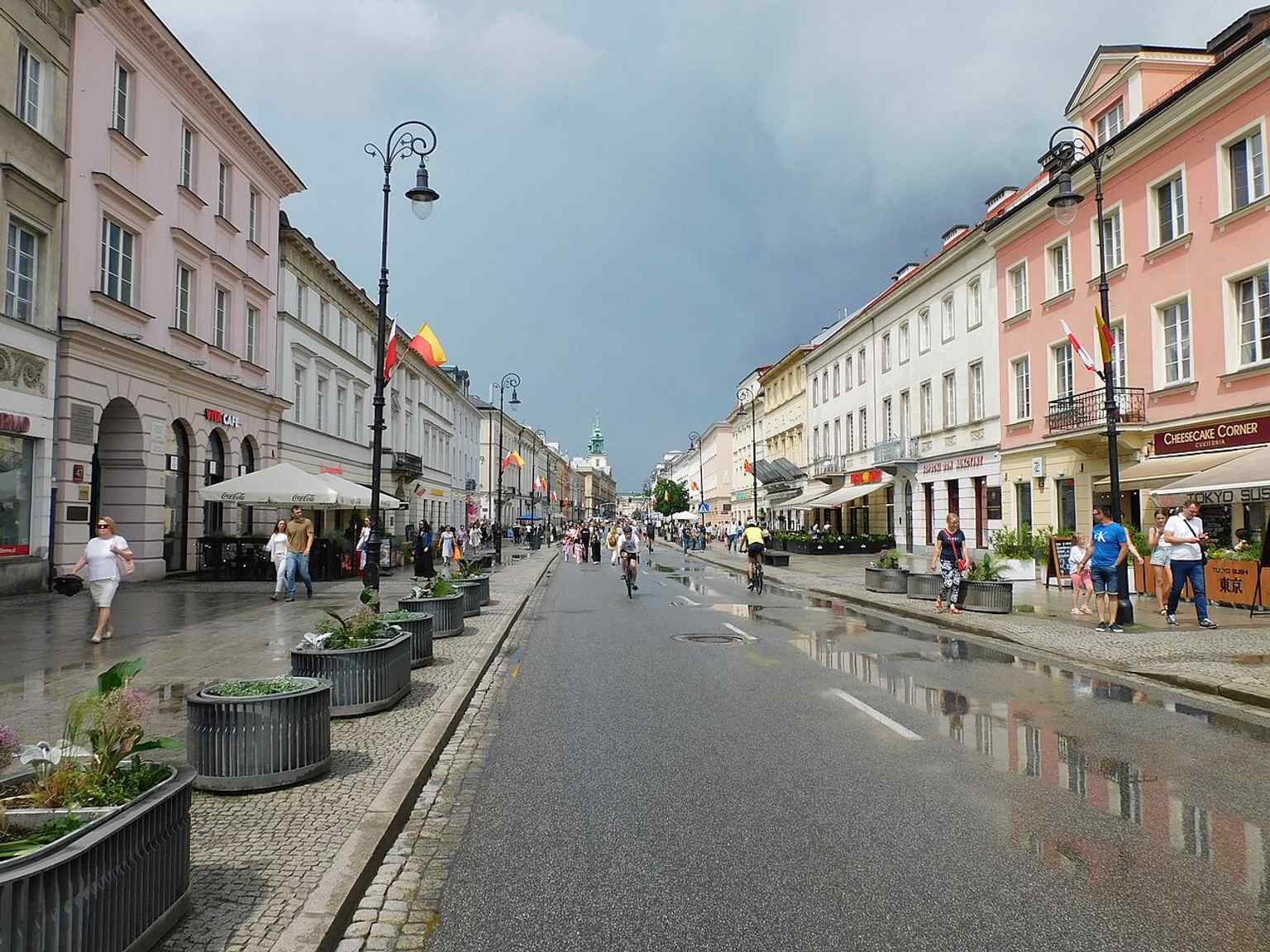
Look for a long, straight avenue lined with pale plaster façades, evenly spaced windows, and a notably low, two-story classical street wall that gives Nowy Świat its calm, almost stage-set rhythm.
Nowy Świat means “New World,” and that name began quite literally... this was the newer settlement that grew beyond Warsaw’s old earthworks in the seventeenth century, along the road from Old Warsaw toward Ujazdów. Today it feels polished, but this street has always carried what locals understood as the two worlds of Nowy Świat: the representative face of the capital on one hand, and the everyday scramble of the city on the other. Fine coats and empty pockets shared the same pavement. Elegant customers passed by people described in old city records as beggars with no clear way to make a living. Same street, same hour, different planets.
That tension gave the avenue its energy. This was never just a pretty corridor. It was a public stage, with new actors entering every decade: merchants, students, poets, cabaret crowds, office clerks, and social climbers trying to look like they belonged. In nineteen oh eight, electric trams began rolling through here. By the interwar years, Nowy Świat buzzed with shops and a good dozen restaurants. At the corner with Aleje Jerozolimskie, a famous place called Udziałowa had started as a dairy back in eighteen eighty-four, then reinvented itself as a stylish café. That little change tells you a lot about Warsaw. Even milk could put on a tuxedo here.
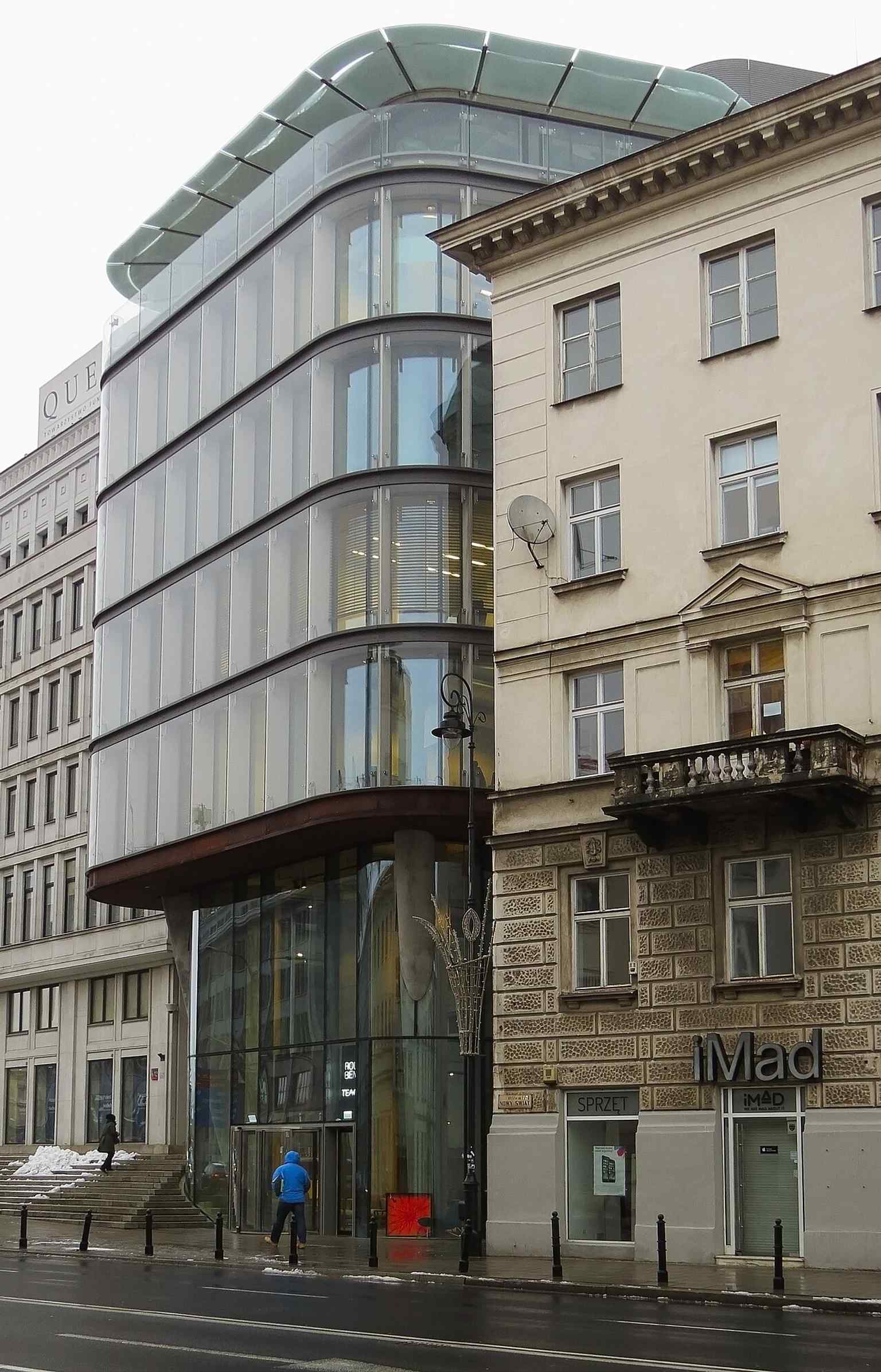
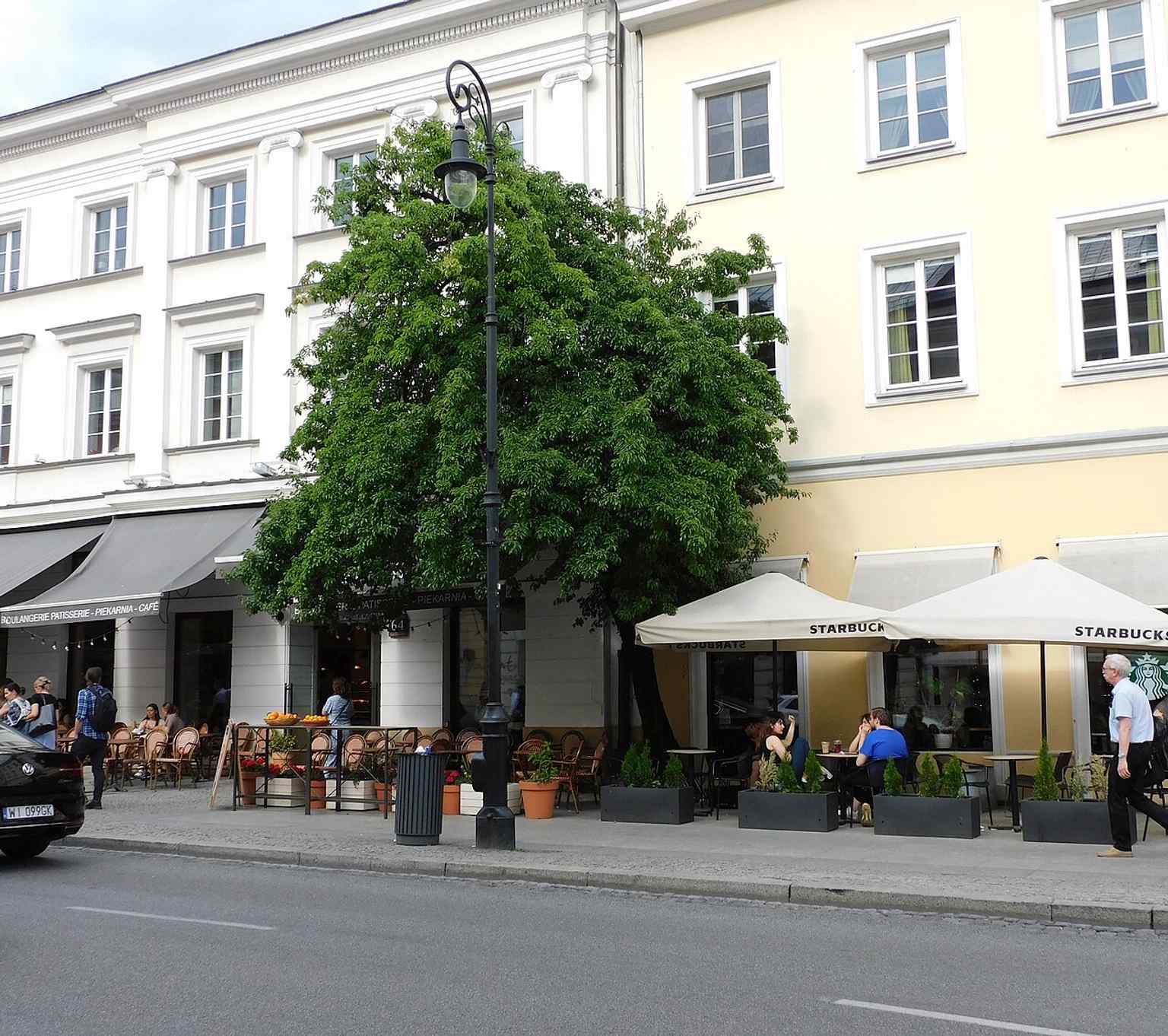
If you glance at the image in the app, you can see how the rebuilt frontage creates that elegant, disciplined line along the street. But don’t let the neatness fool you. One address here, Nowy Świat fifty-seven, helped launch modern Polish poetry. On the twenty-ninth of November, nineteen eighteen, Antoni Słonimski and his friends opened the literary cabaret Pod Picadorem there. Admission cost five marks, roughly the price of keeping the door open to ordinary people rather than only elites. In just three months they moved on, but that short run mattered. Słonimski and the future Skamander poets found a wider audience right here, on a street noisy enough to test whether poems could survive contact with real life.
Then history broke the set. Much of the street was destroyed in September nineteen thirty-nine. During the Warsaw Uprising in August nineteen forty-four, insurgents built barricades near Chmielna and at the line of Ordynacka and Warecka. After Powiśle fell on the sixth of September, the odd-numbered side of Nowy Świat marked the Polish defense line until capitulation. One wartime photograph by Sylwester Braun even caught the burning German labor office at number sixty-eight.
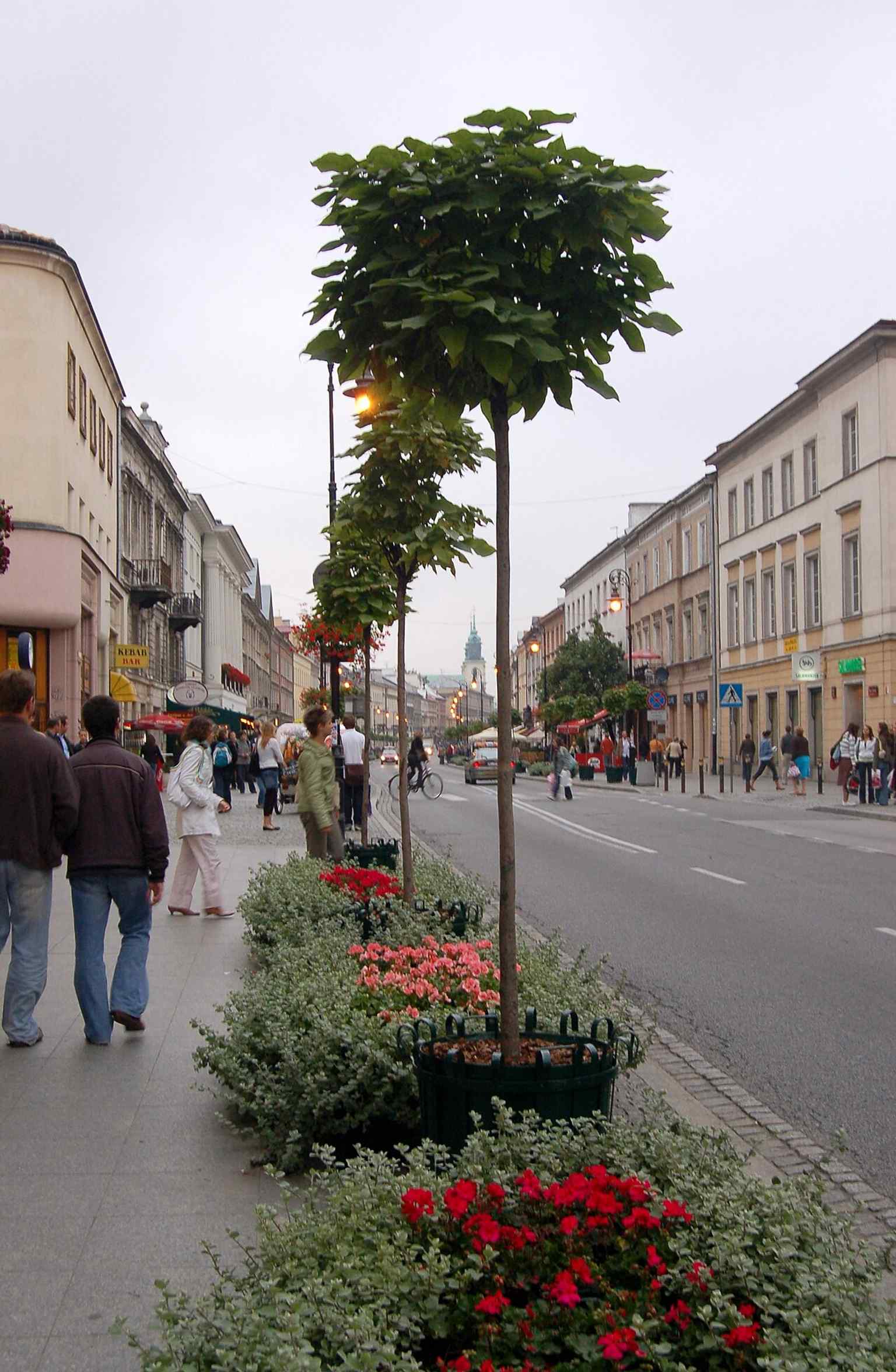
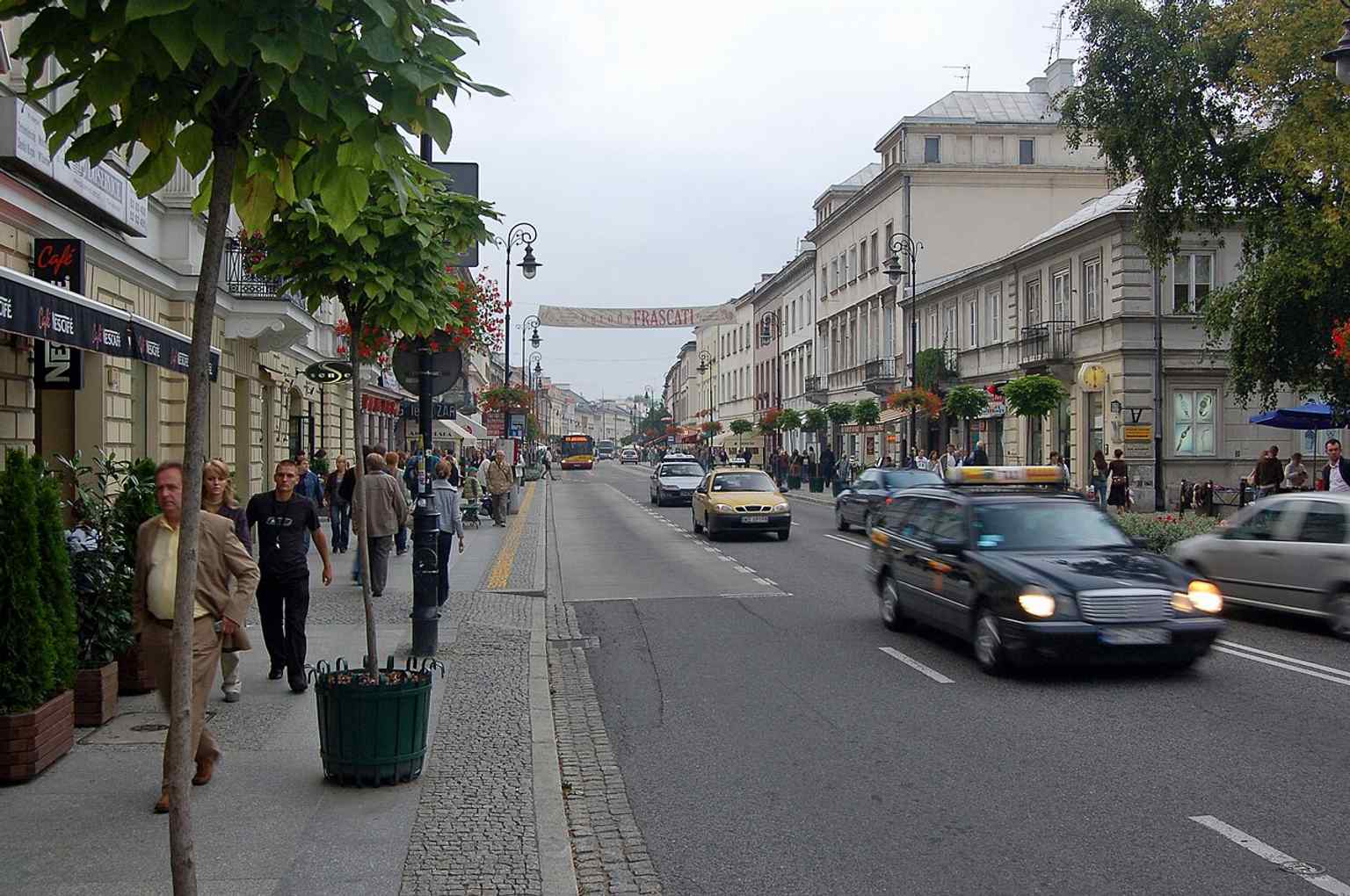
And still, Warsaw got back to work. In March nineteen forty-seven, crews began rebuilding. They lowered many houses to two stories and reshaped façades to recover a nineteenth-century look. The street reopened in July nineteen forty-nine, and in January the year before, the junction with Aleje Jerozolimskie received the city’s first postwar traffic light. Later, in nineteen ninety-six, planners narrowed the roadway, widened the sidewalks, and pushed out private cars. That is why the street feels more like a salon than a speedway today. Another image on your screen shows that long perspective beautifully.
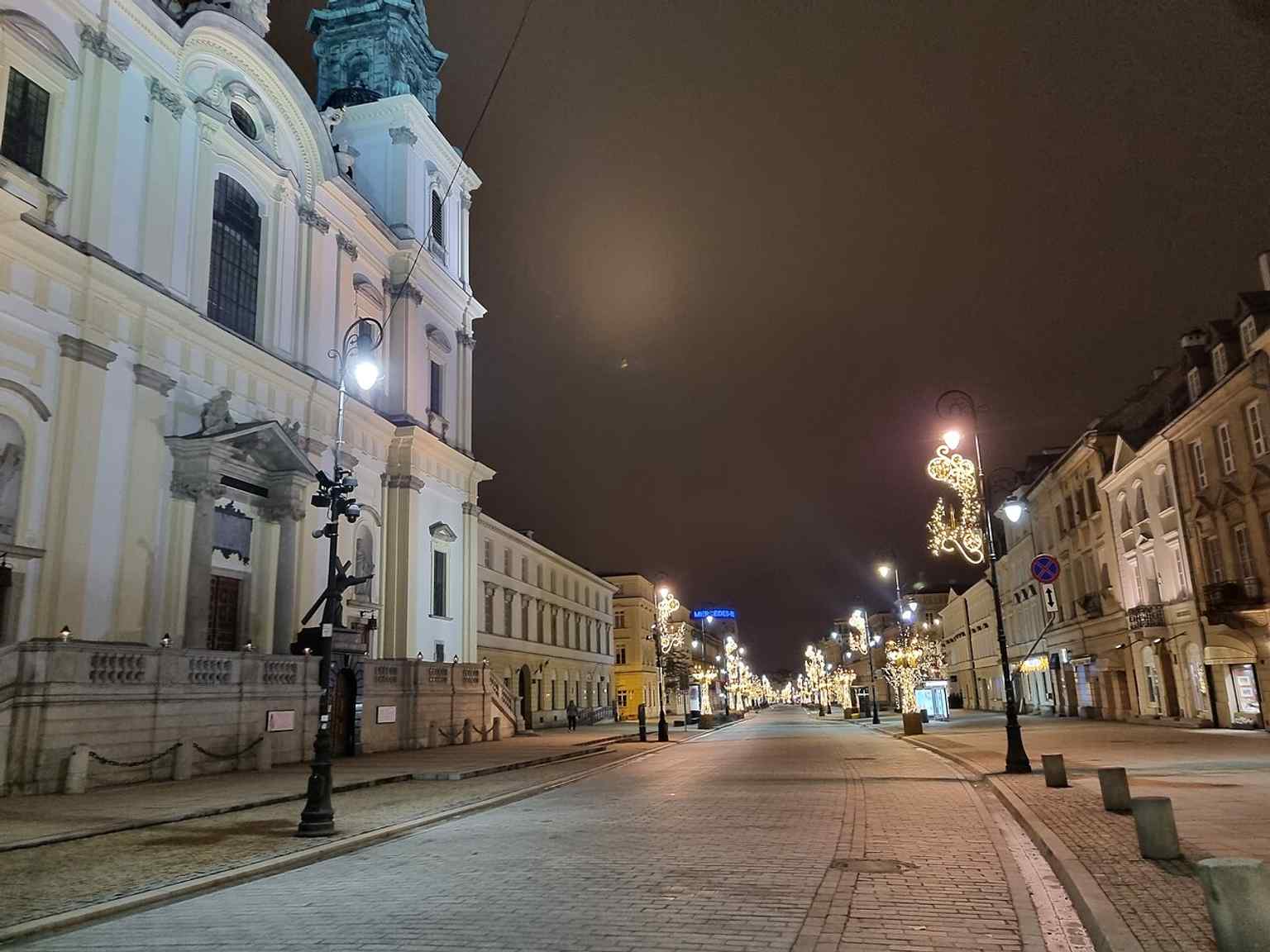
Soon, this social boulevard leads us to a church where Warsaw’s public story turns personal... intimate enough to be held inside a body. We’ll head next to the Basilica of the Holy Cross, about a nine-minute walk ahead.





.jpg)

.jpg)
.jpg)


