AudaTours logoAudaTours

Stop 13 of 17

The Royal Castle in Warsaw

The Royal Castle in Warsaw
Royal Castle in Warsaw
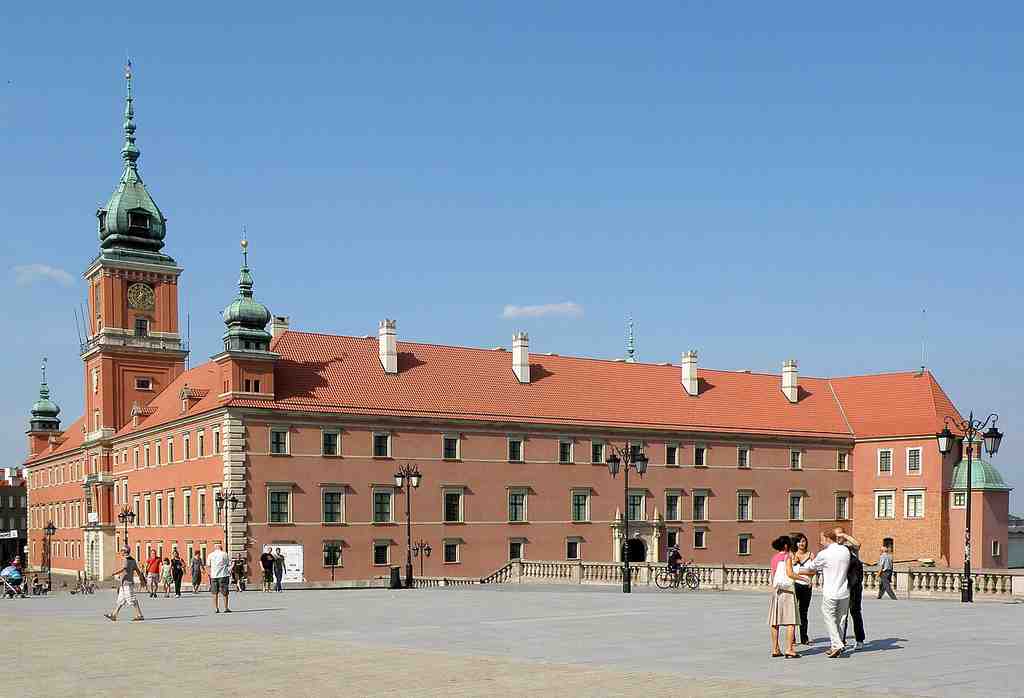
Royal Castle in WarsawPhoto: Ala z, Wikimedia Commons, CC BY-SA 3.0. Cropped & resized.

Look for the long brick-red palace front, stretched in a broad rectangle and crowned by a square clock tower with a dark spire and gold clock faces.

This is the hinge of Warsaw’s story. Before it became a museum, this was the working seat of power: first the residence of the Mazovian dukes, then, from the sixteenth century on, the home of the king and the Sejm, the parliament of the Polish-Lithuanian Commonwealth. Not just a palace, then... more like the nation’s front office.

The king you met on the column, Sigismund the Third Vasa, helped make this place the real center of rule. He moved the court permanently to Warsaw and expanded the castle into a grand five-sided residence with an inner courtyard. That was Vasa self-display at full strength: if you shift the center of a kingdom, you give it a proper stage set.

Inside these walls, ceremony and argument lived side by side. In the Senate Chamber, on the third of May, seventeen ninety-one, deputies adopted the Constitution of the Third of May, one of Europe’s great reform documents. A little later, those same lawmakers walked straight to Saint John’s to swear it again in public worship. We’ll follow that path soon.

And here, really, the rebirth of the Old Town comes into focus. After almost total destruction, people in Poland did not treat this castle as a ruin to admire from a distance, or as a blank lot for something modern and shiny. They chose continuity. They rebuilt the symbol on purpose, knowing full well that rebuilding is also a declaration of identity.

The cost of losing it was painfully human. During the bombardment in September nineteen thirty-nine, German fire set the castle ablaze. On the seventeenth of September, Kazimierz Brokl, the castle’s curator, died here. That matters. The catastrophe did not only smash roofs and halls; it killed people who were trying to protect memory itself.

Then came planned stripping and destruction. German teams removed floors, marble, fireplaces, and carved stone. Adolf Hitler ordered the castle blown up in October nineteen thirty-nine, and in September nineteen forty-four the remains were deliberately demolished. If you want, take a quick look at the historic comparison in the app; the burned shell beside the restored façade says more than a speech ever could.

What stands here now rose through one of Poland’s most meaningful reconstructions. Stanisław Lorentz and others secretly documented the losses during the occupation, and later the Citizens’ Committee for rebuilding led the work from nineteen seventy-one to nineteen eighty-four. People across the country funded it through public donations. Even the clock became a statement: when it restarted in July nineteen seventy-four, it began at eleven fifteen, the exact moment its hands had stopped in nineteen thirty-nine.

If you glance at the image of the Former Deputies’ Chamber on your screen, you’ll see the political heart of the place restored, not just the shell.

So this castle is both ancient and modern: a royal residence, a parliamentary landmark, a wartime wound, and a carefully chosen answer to erasure. In a moment, we’ll head to the Archcathedral Basilica of Saint John the Baptist, where the castle’s political drama continued in sacred space. If you want to come back inside later, the museum is generally open Tuesday through Sunday from ten to six, and closed on Monday.
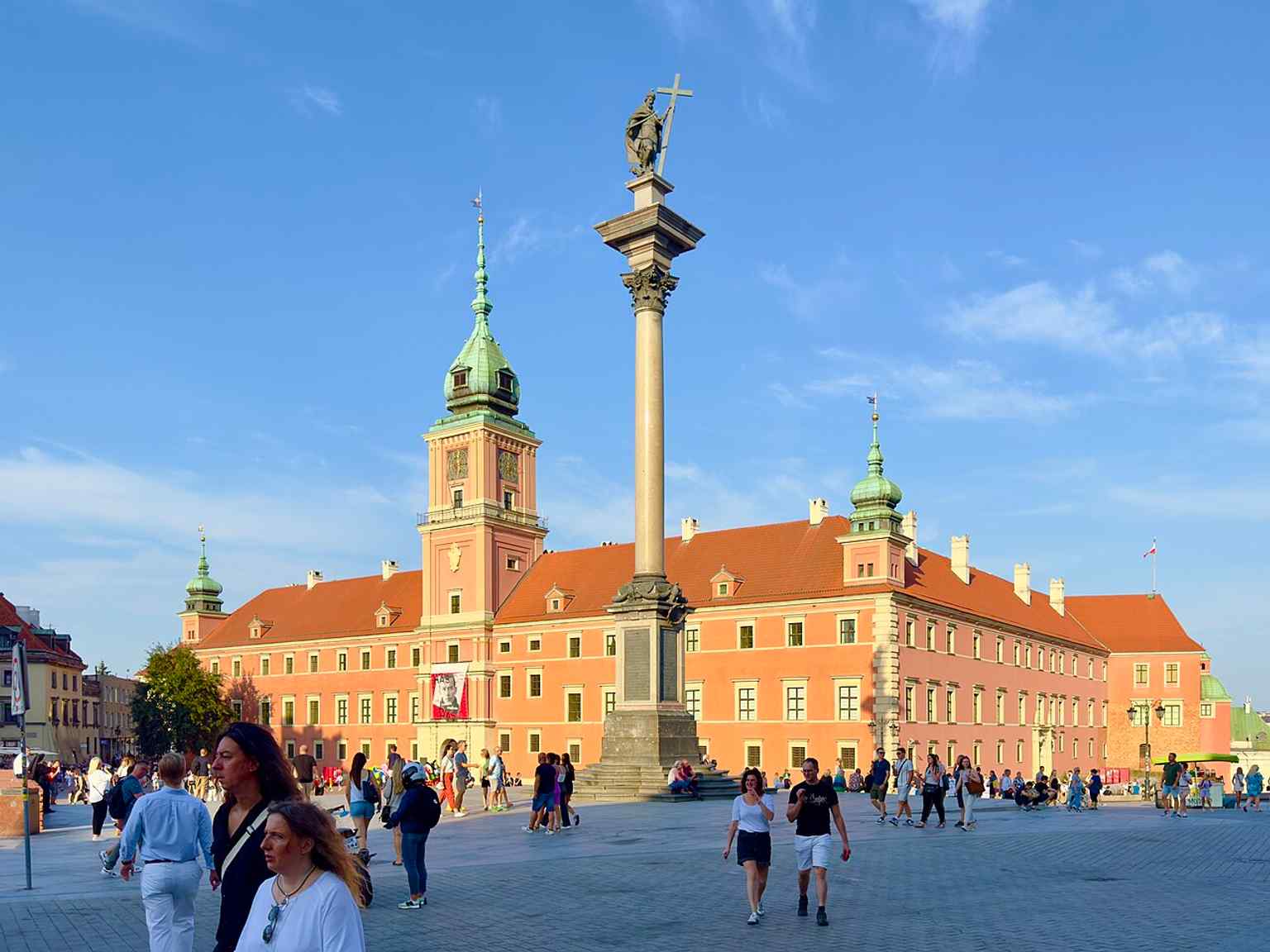
The western façade in 2024, emphasizing the castle’s monumental city-front presence near the historic Old Town.
The western façade in 2024, emphasizing the castle’s monumental city-front presence near the historic Old Town.Photo: Chris Olszewski, Wikimedia Commons, CC BY-SA 4.0. Cropped & resized.
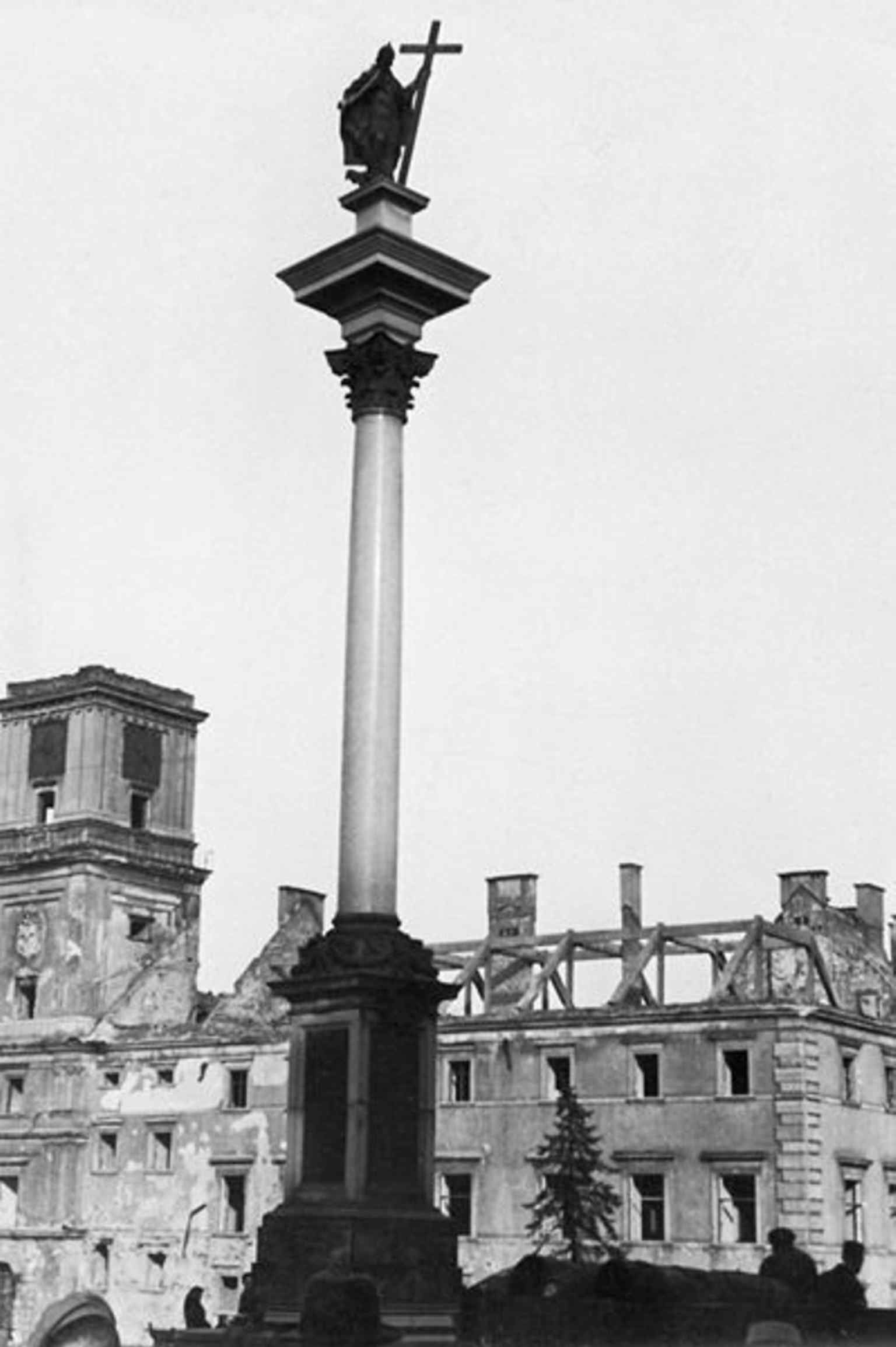
A wartime image of the burned-out castle beside Sigismund’s Column — a stark reminder of the 1939 destruction and loss.
A wartime image of the burned-out castle beside Sigismund’s Column — a stark reminder of the 1939 destruction and loss.Photo: Documentation cell of Armia Krajowa, Wikimedia Commons, Public domain. Cropped & resized.
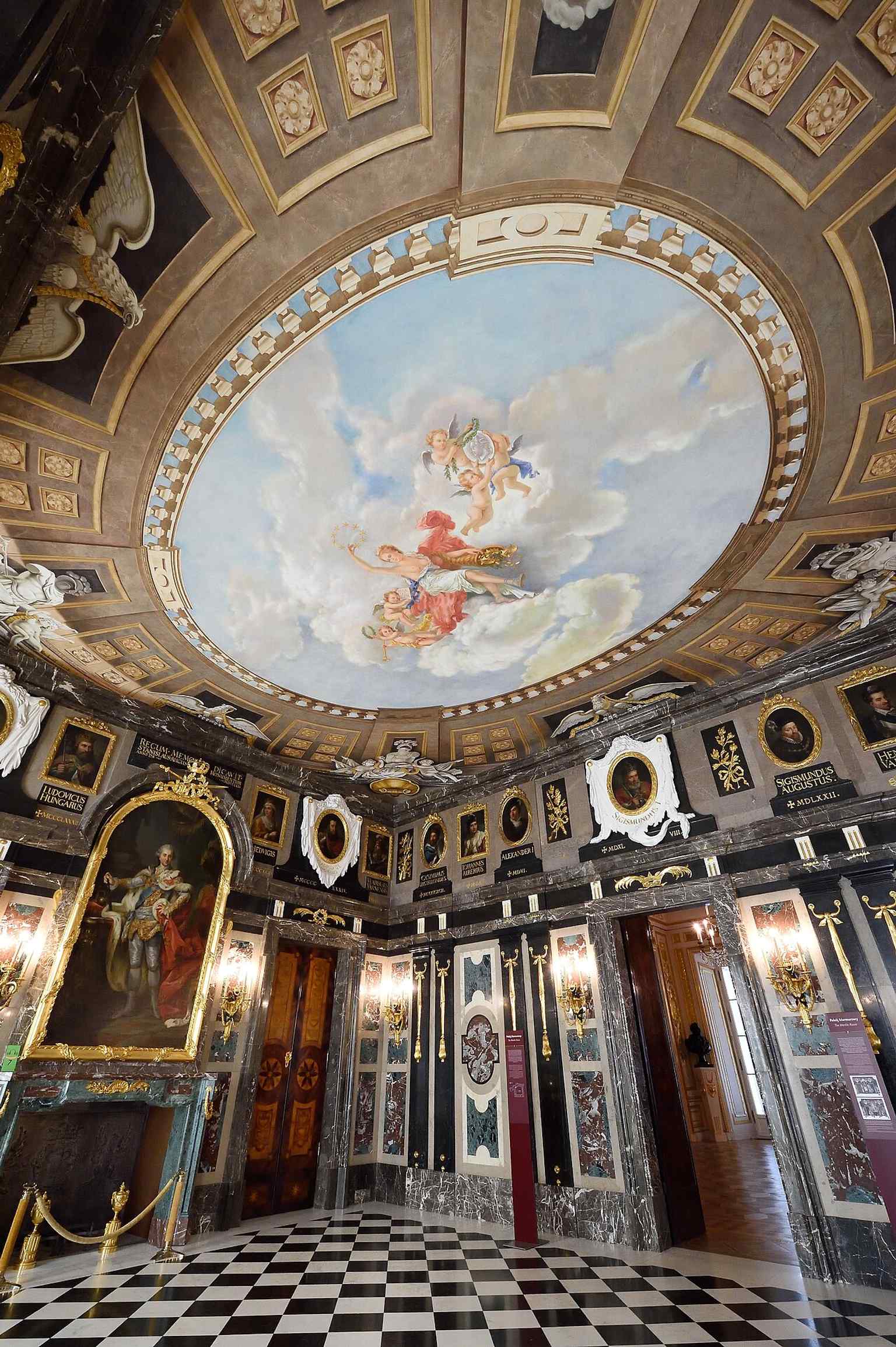
The Marble Room, one of the castle’s most representative interiors, associated with the refined royal and republican décor of the Stanisław August era.
The Marble Room, one of the castle’s most representative interiors, associated with the refined royal and republican décor of the Stanisław August era.Photo: Tim Adams, Wikimedia Commons, CC BY 3.0. Cropped & resized.
The Throne Room interior, where ceremonies and state authority were staged in the royal residence.
The Throne Room interior, where ceremonies and state authority were staged in the royal residence.Photo: Aw58, Wikimedia Commons, CC BY-SA 4.0. Cropped & resized.
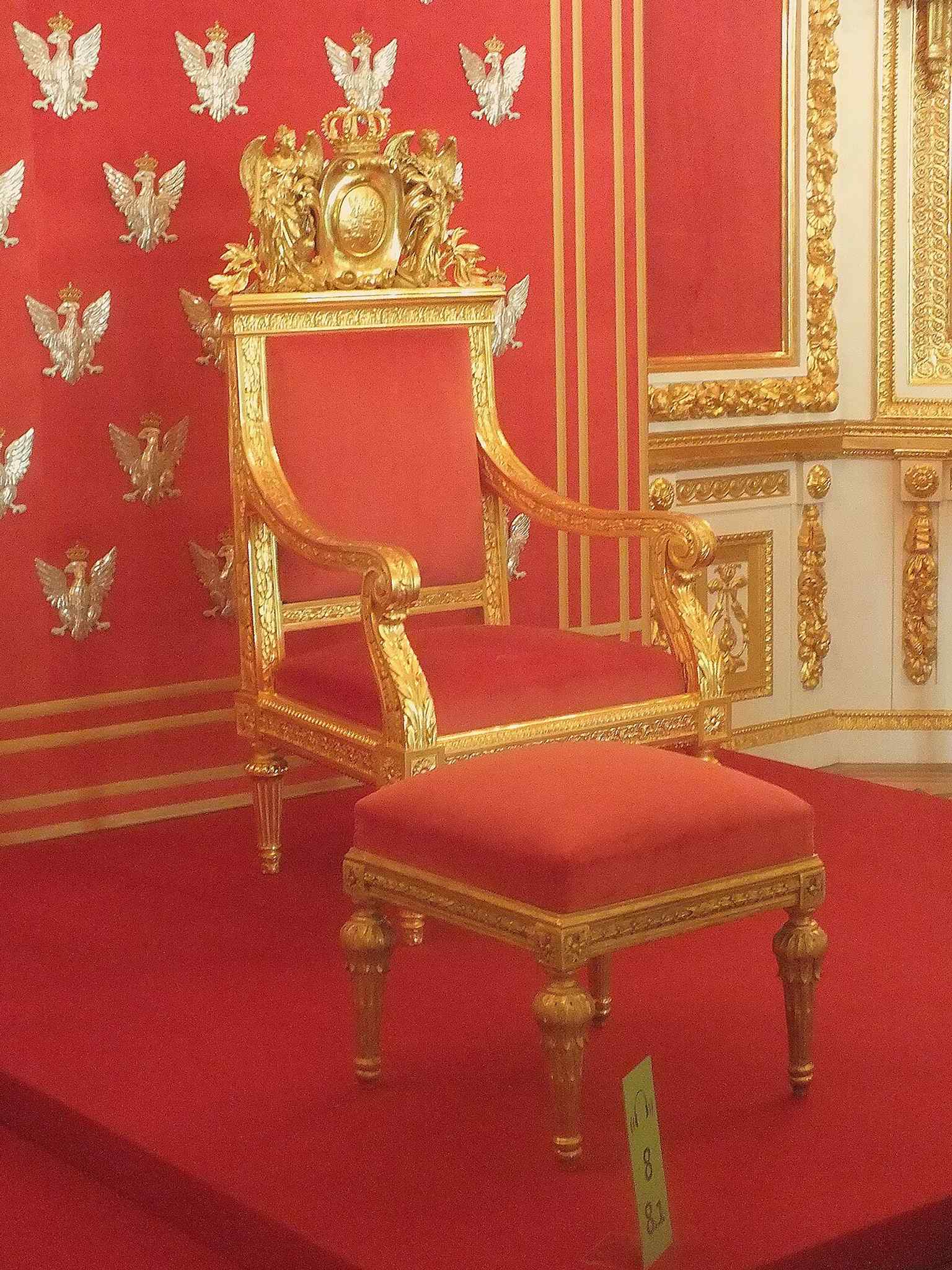
A close look at the throne itself — the kind of symbolic centerpiece that anchored the castle’s ceremonial role.
A close look at the throne itself — the kind of symbolic centerpiece that anchored the castle’s ceremonial role.Photo: Aw58, Wikimedia Commons, CC BY-SA 4.0. Cropped & resized.
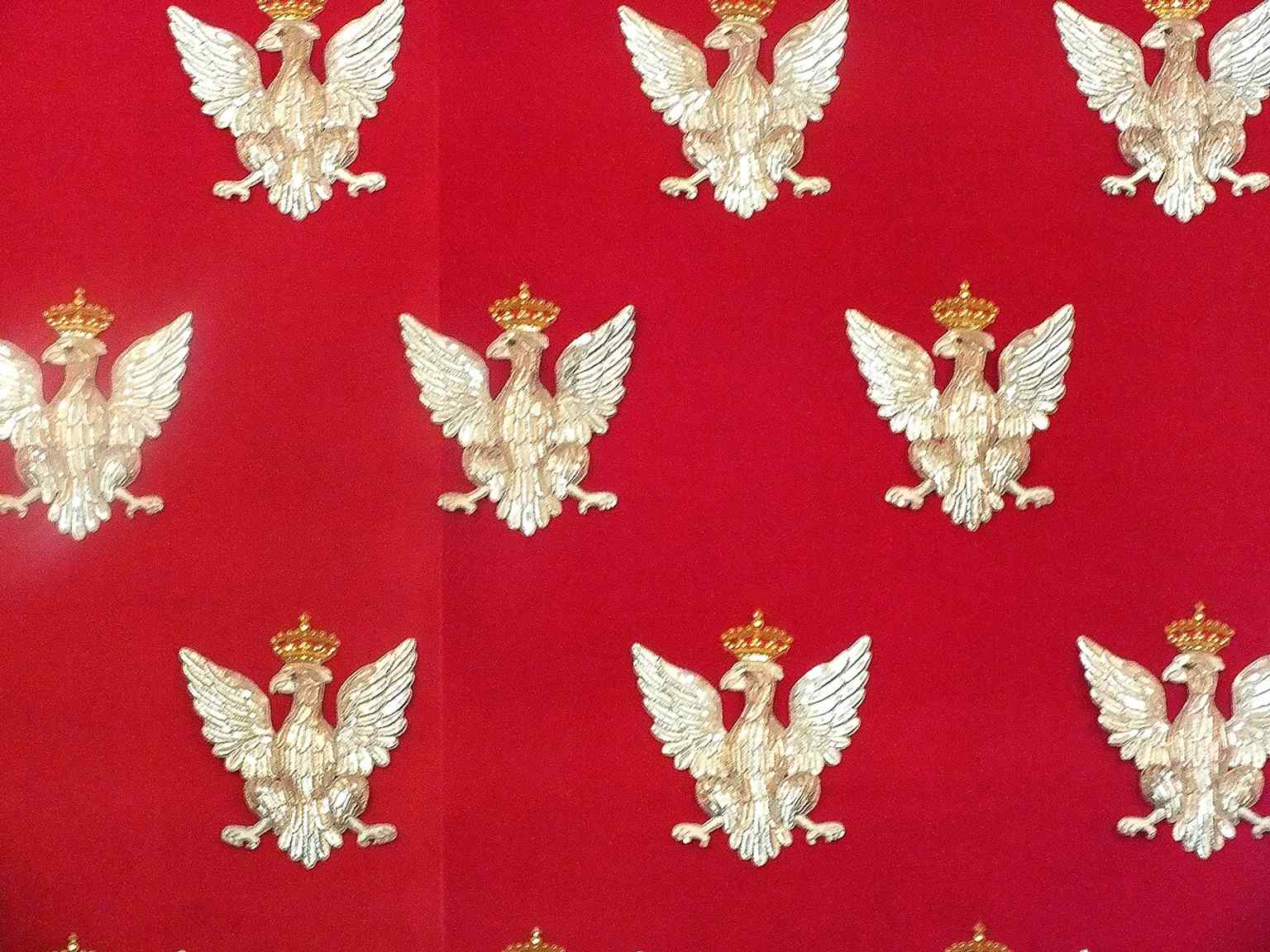
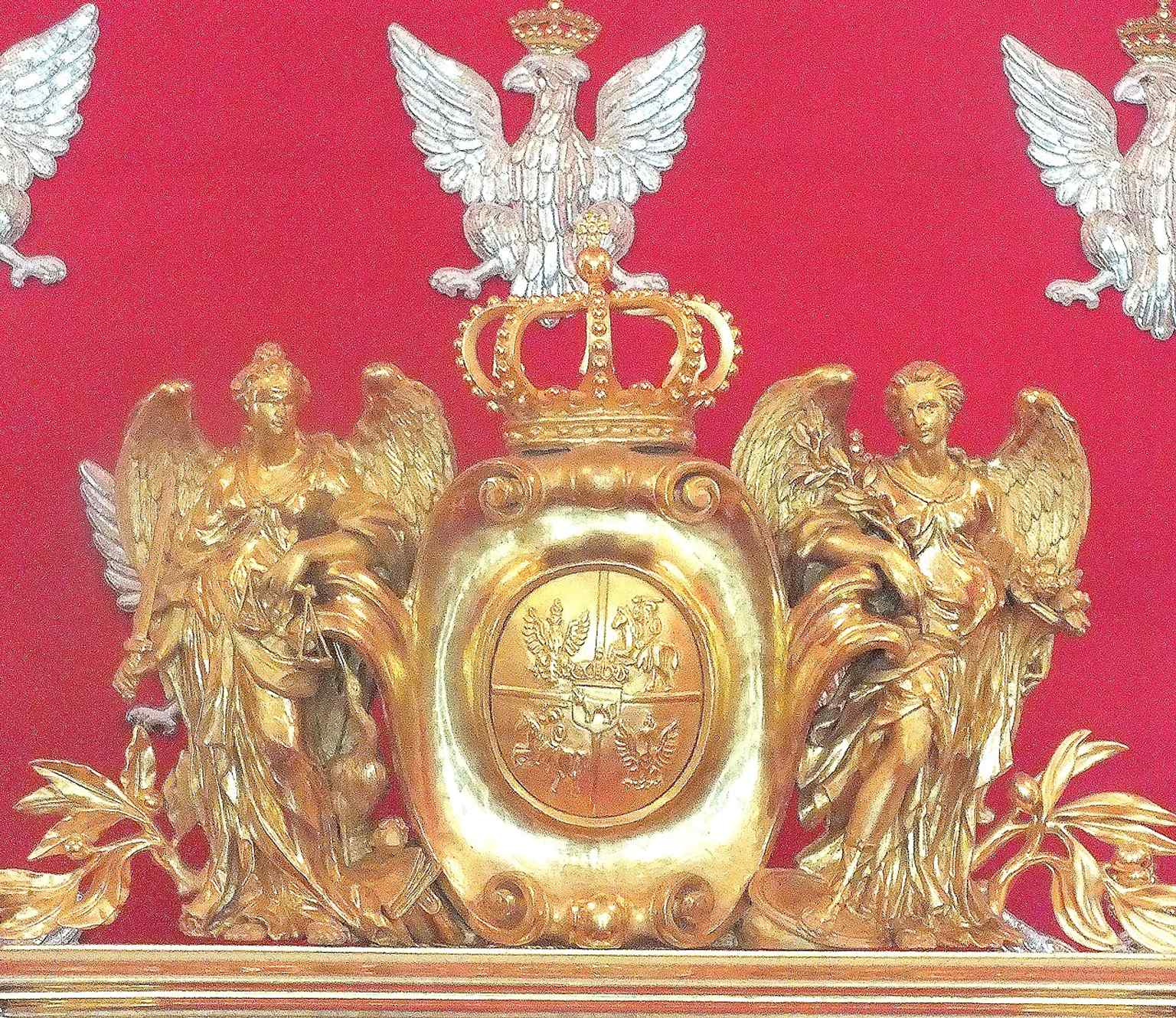
A decorative detail from the Throne Room, showing the richly restored interior finish of the late-18th-century royal apartments.
A decorative detail from the Throne Room, showing the richly restored interior finish of the late-18th-century royal apartments.Photo: Aw58, Wikimedia Commons, CC BY-SA 4.0. Cropped & resized.
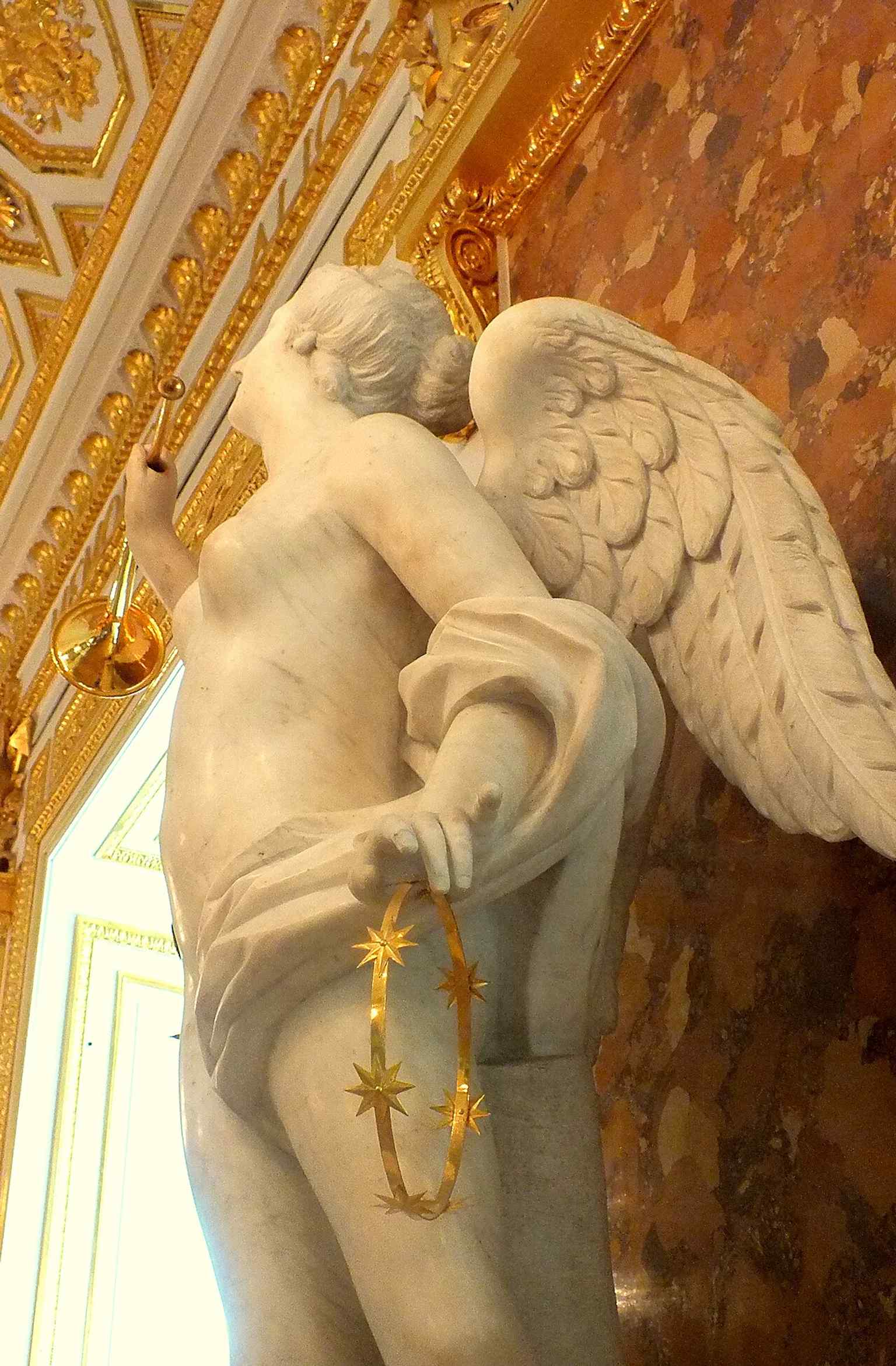
A sculpture from the Knights’ Room by André Le Brun, echoing the castle’s Enlightenment-era interior program and artistic patronage.
A sculpture from the Knights’ Room by André Le Brun, echoing the castle’s Enlightenment-era interior program and artistic patronage.Photo: Aw58, Wikimedia Commons, CC BY-SA 4.0. Cropped & resized.
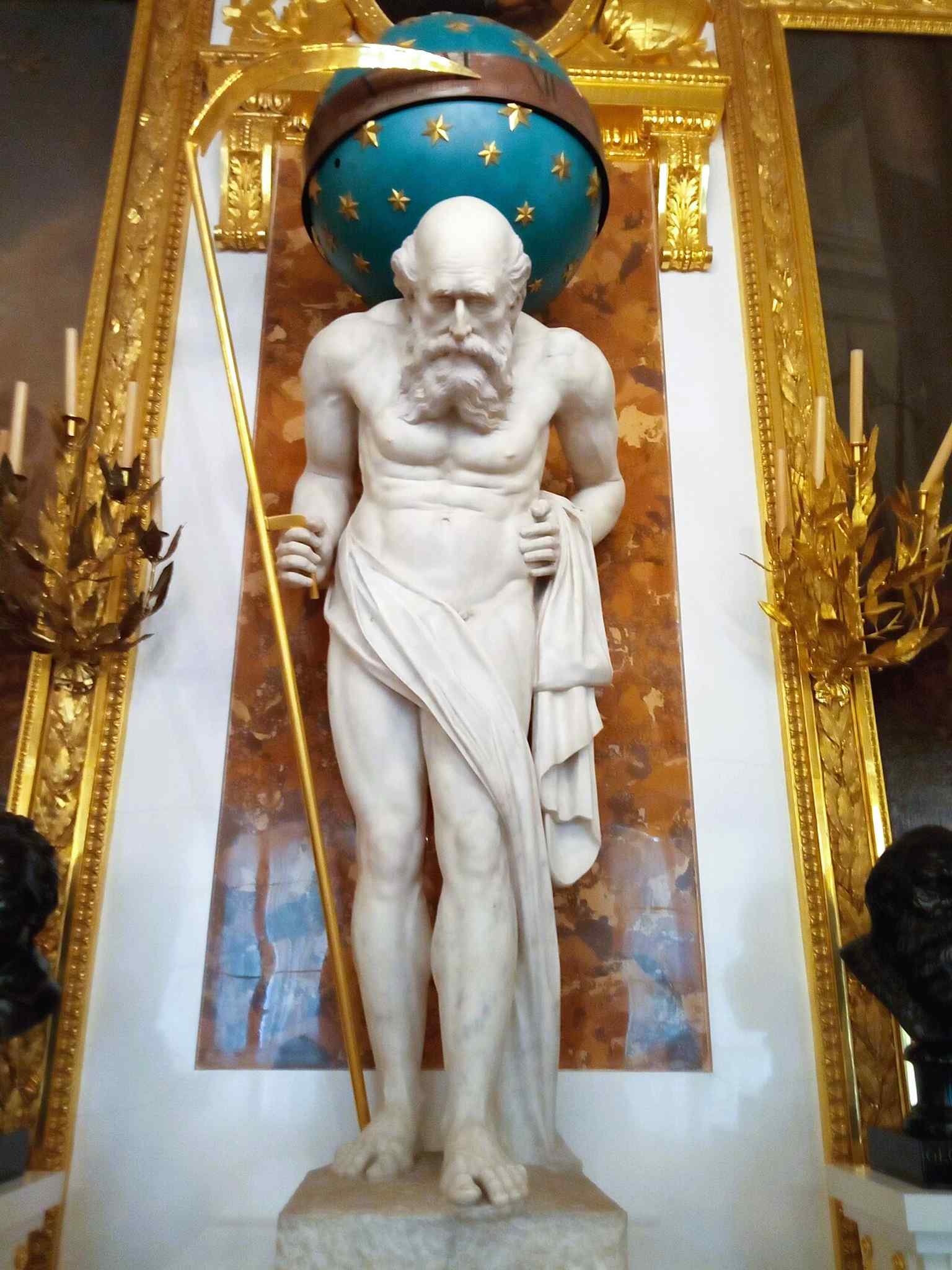
The sculpture of Chronos in the interior highlights the castle’s museum character and the dramatic symbolism embedded in its décor.
The sculpture of Chronos in the interior highlights the castle’s museum character and the dramatic symbolism embedded in its décor.Photo: Vi Ko, Wikimedia Commons, CC BY 4.0. Cropped & resized.
arrow_back Back to Warsaw Audio Tour: Royal Heritage Walk
Loved by travellers

Thousands of tours started.
Plenty of opinions.

4.8 across the App Store and Google Play. Here's a few we keep coming back to.

starstarstarstarstar
This was a solid way to get to know Brighton without feeling like a tourist. The narration had depth and context, but didn't overdo it.
Christoph
Christoph
Brighton Tour
starstarstarstarstar
Started this tour with a croissant in one hand and zero expectations. The app just vibes with you, no pressure, just you, your headphones, and some cool stories.
download Get the app

Pop your headphones in.
Step outside.

Free to download. Tours in every city. Start in 60 seconds — no account, no card.

Download on the App StoreGet it on Google Play
starstarstarstarstar_half
4.8
AudaTours app icon
headphones
~ 4 min until your first tour starts
public
1,000+ cities worldwide
all_inclusive
AudaTours
Unlimited

Every tour. Every city. One subscription.

3097 tours2273 cities138 countries50+ languages