
50+ languages

 Braga · Portugal
 Braga Audio Tours
Discover Braga with self-guided audio walking tours
headphones
2 tours
pin_drop
20 landmarks
translate
Braga tours
Pick a Braga worth walking.
Self-guided audio tours written by people who actually live there.
2 tours
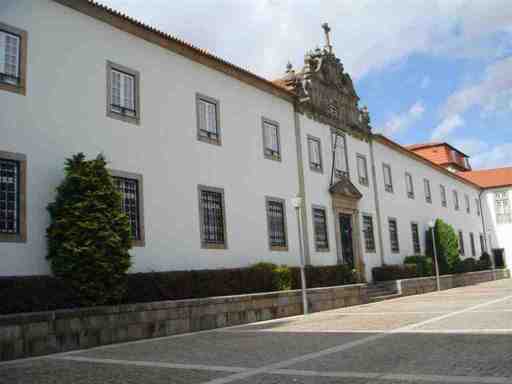
Braga Highlights Audio Tour: Exploring Religious and Historical Heritage
Beneath the pious spires of Braga lie secrets written in blood and stone. Most travelers see only grand facades, but you are about to peel back the layers of a city where saints and rebels once fought for the soul of Portugal. This self-guided audio tour navigates the shadows of the Church of Santa Cruz and the imposing Lightning Palace. Discover forgotten scandals and architectural enigmas that remain invisible to the passing crowd. Why does the Fountain of the Idol still guard an ancient, pagan secret? What brutal political betrayal once echoed through these quiet stone squares? Can you spot the hidden mark left by a desperate prisoner during a midnight escape? Traverse through centuries of drama, shifting from divine reverence to chaotic rebellion. Leave the beaten path behind and let the city’s restless history rise to meet you. Unlock the ghosts of Braga now.
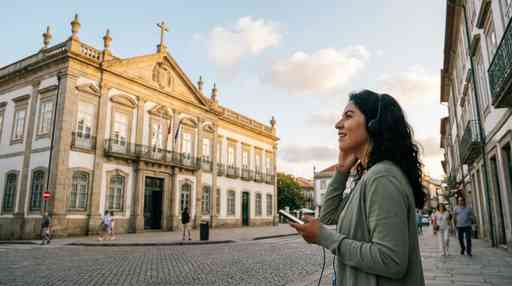
Braga Audio Tour: Echoes of Empires and Timeless Treasures
Beneath Braga’s dazzling baroque towers, secrets buried for centuries wait in echoing halls and silent ruins. Shadowy archways hint at scandal and whispered rebellion in a city with saints and spies alike. This self-guided audio tour unlocks Braga’s hidden side on your own terms. Wander at your pace to trace untold stories most never hear, from the first cathedral stones to the gardens that still hide their mischief. What sparked a bloody power struggle within sacred walls? Who vanished mysteriously among the eccentric collections of Biscainhos? And why do fragments of the Roman city still lie exposed, stubbornly refusing to be silenced? Feel Braga unfold beneath your feet as you twist through haunting cloisters, tumble into lush courtyards, and step over timeworn mosaics where intrigue once thrived. Each turn reveals a secret. Every street, a new chapter. Dive in now and peel back Braga’s layers for yourself. The city’s best stories have been waiting for you.
Top landmarks
The Braga everyone knows.
The landmarks in every guidebook — and the tours that tell you what guidebooks don't.
A few words on Braga
Portugal's oldest archdiocese, and still the most devout city on the peninsula.
Braga was Bracara Augusta, a Roman administrative capital of the province of Gallaecia, founded in 16 BC. The grid of the Roman city is still readable in the street plan of the old town, and sections of Roman walls appear at irregular intervals behind medieval facades and Baroque church fronts. The city became the seat of Portugal's oldest archdiocese, established in the 1st century AD according to tradition, and the consequence of that institutional continuity is an extraordinary density of churches for a city of 180,000 people. Braga has been called the Portuguese Rome, a comparison its residents accept without false modesty.
The Bom Jesus do Monte sanctuary, on a hill 5 kilometers east of the city center, is reached by a grand staircase of 577 steps built in the mid-18th century, with chapels at each landing representing the five senses and the Passion of Christ.
The theatrical Baroque scenography, fountains, and symmetrical balustrades make the ascent one of the most architecturally considered walks in Portugal. An 1882 funicular runs parallel for those who prefer the view without the climb. At the top, the Neo-Classical basilica looks out over the green Minho countryside in a panorama that explains why this has been a pilgrimage destination since the 14th century.
Braga
Braga FAQ
Before you walk.
Braga airport has budget airline connections to several European cities. Porto is 55 km south, with direct trains taking about 1 hour. From Lisbon, the journey takes about 3.5 hours by Alfa Pendular train. Within Braga, the old town is compact and walkable; the Bom Jesus do Monte requires a bus or taxi from the center.
Yes, if your knees allow. The 577-step staircase is the primary Braga experience, combining exercise with one of the most coherent Baroque decorative programs in Portugal. The funicular parallel to the stairs dates from 1882 and is the oldest funicular with a water counterbalance system still operating in the world. Going up by funicular and walking down the staircase is a practical combination.
The old town is flat and easily walkable. The area around the cathedral, Praca da Republica, and the main churches is compact enough to cover in a morning. The Bom Jesus sanctuary involves either stairs or a short funicular ride, but the hilltop itself is level. Most of the historic center is pedestrianized.
Braga is in the Minho region, known for vinho verde (young green wine) produced in the surrounding hills, which pairs with the region's freshwater fish and seafood. Bacalhau (salt cod) in various preparations is the northern Portuguese staple. The Cafe Brasileira on the main square has been serving coffee and pasteis de nata since 1907 and is a reliable morning stop before a walking tour.
Every Braga tour, in your language.
All 50+ languages, included with every booking.
🇬🇧 English🇫🇷 Français🇪🇸 Español🇩🇪 Deutsch🇮🇹 Italiano🇯🇵 日本語🇨🇳 中文🇰🇷 한국어+ 41 more
star AudaTours Unlimited
Visiting more than one city? Subscribe.
Unlock every Braga tour — plus thousands more worldwide. Cancel any time.
$4.99/week · Cancel anytime

More in Portugal
Explore Portugal arrow_forwardOther cities to walk in Portugal.

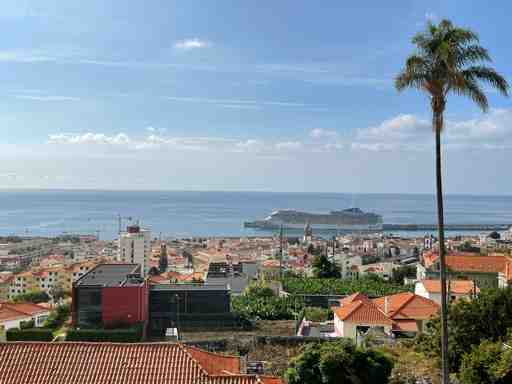
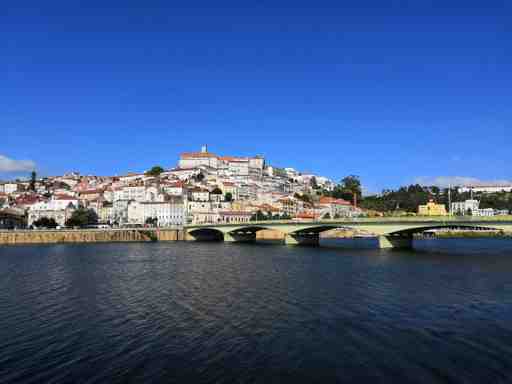
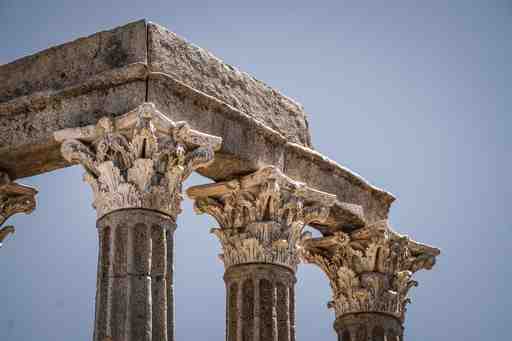
Loved by travellersThousands of tours started.
Thousands of tours started.
Plenty of opinions.
4.8 across the App Store and Google Play. Here's a few we keep coming back to.
starstarstarstarstar
This tour was such a great way to see the city. The stories were interesting without feeling too scripted, and I loved being able to explore at my own pace.

Jess
Tbilisi Tourstarstarstarstarstar
This was a solid way to get to know Brighton without feeling like a tourist. The narration had depth and context, but didn't overdo it.

Christoph
Brighton Tourstarstarstarstarstar
Started this tour with a croissant in one hand and zero expectations. The app just vibes with you, no pressure, just you, your headphones, and some cool stories.

John
Marseille Tourdownload Get the app Pop your headphones in.


Pop your headphones in.
Step outside.
Free to download. Tours in every city. Start in 60 seconds — no account, no card.

headphones
~ 4 min until your first tour starts
public
1,000+ cities worldwide
all_inclusive
AudaTours
Unlimited
Every tour. Every city. One subscription.
3097 tours2273 cities138 countries50+ languages
$39 /year
all_inclusive Explore Unlimited