On your left stands a place where government turns into memory. Not memory in the warm family-photo sense... more in the “please file that for the nation” sense.
This is Academia Historica, the top state history institution under the Presidential Office. Its job is to compile national history, sort and preserve records, collect historical objects, and care for the papers and belongings of former presidents and vice presidents. That impulse matters. Every state wants an archive - a storehouse of records treated as evidence - because ruling is one thing, but proving your story belongs in the future is another.
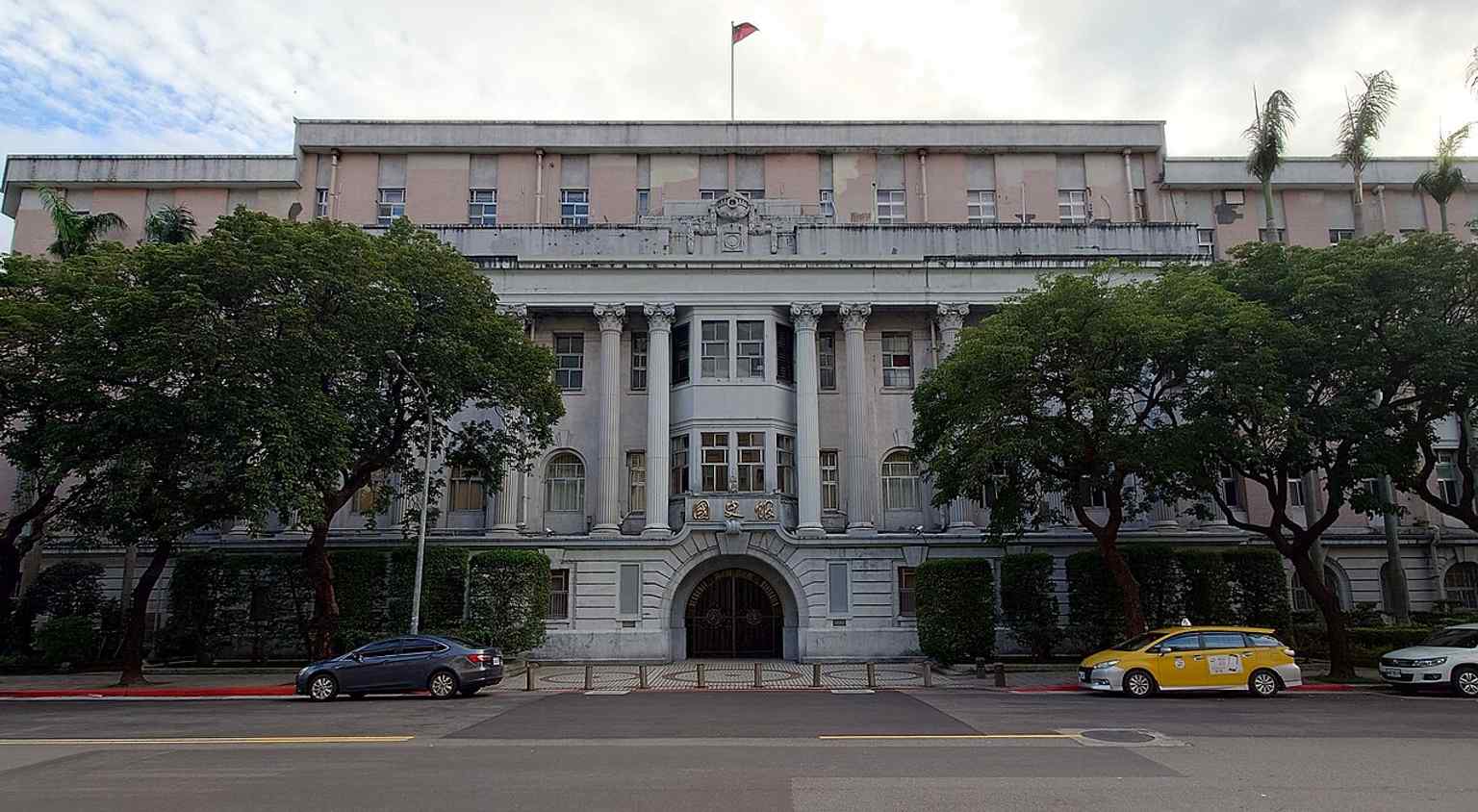
If you glance at the image on your screen, you can see the building’s formal exterior. Like the Presidential Office, it uses stone and symmetry to project authority. But this place adds another layer: it does not just govern legitimacy, it catalogs it.
The urge goes back to nineteen twelve. After the Republic of China formed in Nanjing, Hu Hanmin, Huang Xing, and ninety-seven others asked Sun Yat-sen to create a national history office. Sun agreed. He thought a new republic needed an official record, or else its founding might slip into rumor and argument. Sensible... and also very political.
The institution officially opened in Nanjing in nineteen forty-seven under Zhang Ji. Then the civil war tore the map apart. Staff rushed out three hundred sixty boxes of key archives, eighty-six boxes of important books, and twenty boxes of draft histories to Shanghai. Later, they moved a total of four hundred sixty-four boxes through Guangzhou, Guilin, and Chongqing. The retreat outran the paperwork only so far. When Communist forces took Nanjing, the remaining archives there passed into new hands and later helped form what is now China’s Second Historical Archives. Same past, different custodians.
When the Republic of China government moved to Taiwan, the institution went dormant for a while and reopened here in nineteen fifty-seven. Its early years were not glamorous. Records piled into basements, staff dorms, even kitchens and bathrooms. Nothing says national dignity quite like constitutional history next to a washroom. Only in nineteen eighty-eight did separate archive and library buildings finally relieve the crush.
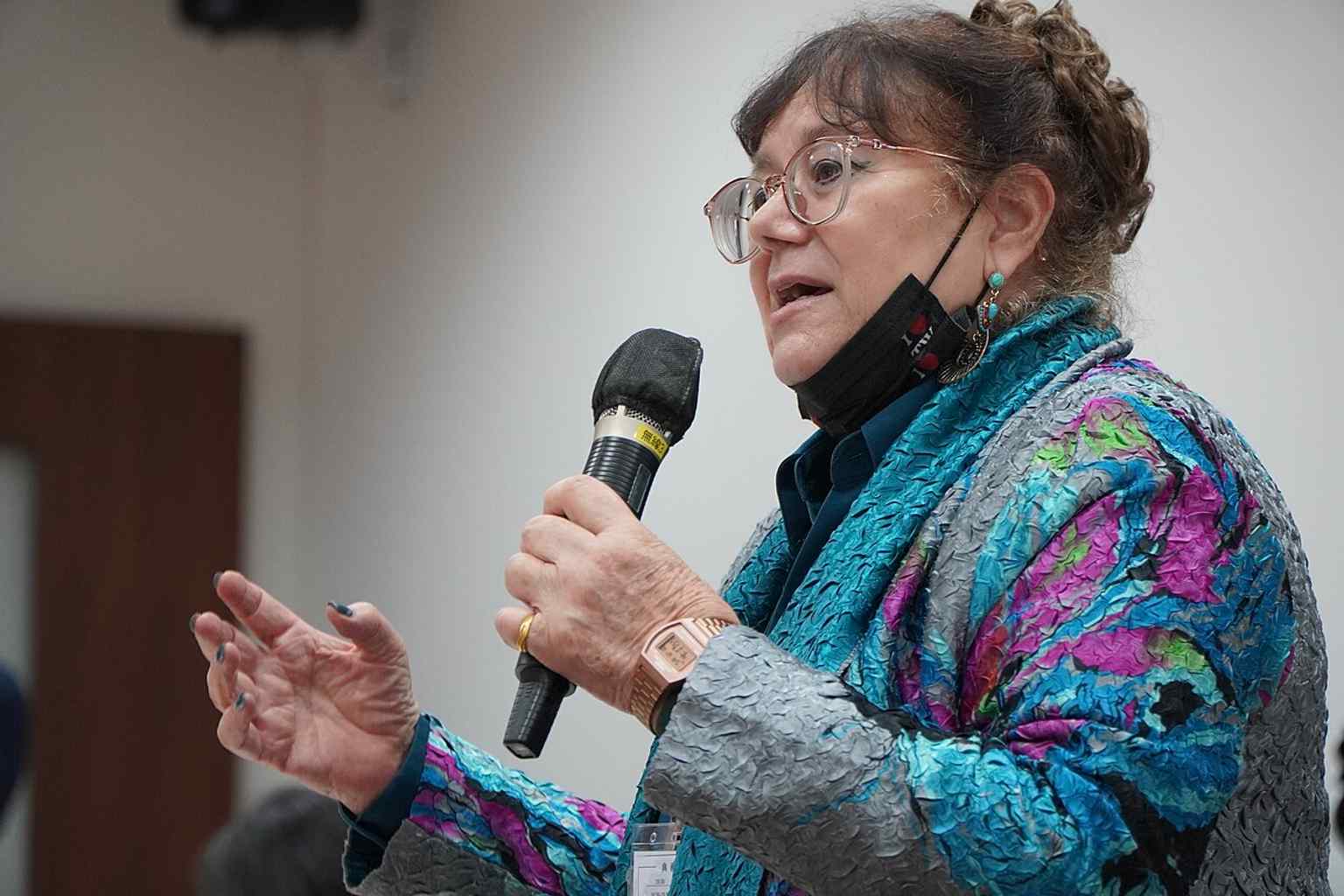
This headquarters moved into this building in two thousand ten. The building itself dates to nineteen twenty-four, when Japanese colonial authorities used it as the Communications Bureau’s postal office. So even the container of history carries an earlier regime inside it. If you check the second image, you’ll see that the institution still works as a research center, not just a trophy case.
Inside, one major collection holds more than ten thousand gifts presented to presidents and vice presidents. Another treasure is the first paper copy of the nineteen forty-seven Constitution. Since two thousand sixteen, the institution has also pushed millions of digitized pages online, even while debates continue over who gets access and who gets to define the national story.
That is the quiet power here: papers, artifacts, and approved narratives can shape a country as firmly as gates, courts, and guardrooms. From here, head toward the Judicial Building, about six minutes away, where memory turns back into law. If you want to return, it’s open Tuesday through Sunday from ten to six, and closed on Mondays.