Look for the pale stone Georgian frontage, the neat grid of sash windows, and the modest sign that marks the Northern Lighthouse Board.
At first glance, this address can seem almost too restrained for what it does. Yet that is rather the point. From this orderly building on George Street, the Northern Lighthouse Board directs safety far beyond Edinburgh, across Scotland’s coasts and the Isle of Man, watching over the lights, buoys and beacons that guide ships through dark channels and dangerous narrows.
The Board began in seventeen eighty-six, when Parliament created the Commissioners of Northern Lighthouses. One of the key voices behind it was George Dempster, known as “Honest George,” a lawyer and politician who pressed for a proper system. Before that, Scotland’s great sea routes were astonishingly under-marked. The best-known light was a coal brazier on the Isle of May in the Firth of Forth: literally a fire used as a beacon. For a nation tied to the sea, it was a thin defence.
The new commissioners planned four lighthouses and borrowed up to one thousand two hundred pounds, about two hundred thousand pounds in modern terms. Even that ran out before the first light at Kinnaird Head was finished. Men hauled materials to the Mull of Kintyre by pack horse from Campbeltown, twelve miles away. Reaching Scalpay and North Ronaldsay meant boat journeys through rough water. But by October of seventeen eighty-nine, all four lights were working. That is one of those quiet triumphs history can easily miss: not a battle won, but a coastline made less deadly.
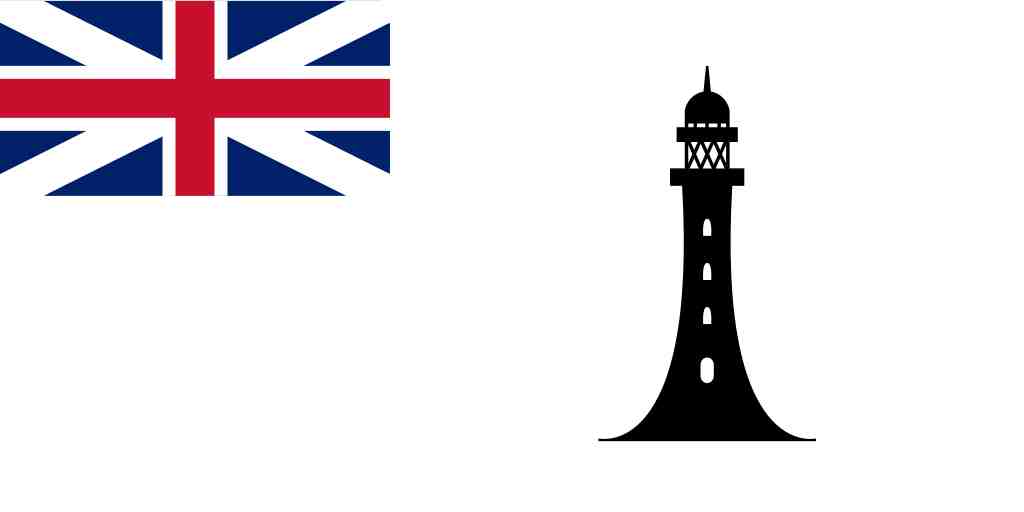
If you glance at the image on your screen, the little sign outside this building seems modest enough. Yet behind it sits a system of remarkable reach. As of March twenty twenty-four, the Board operated two hundred and eight lighthouses, one hundred and seventy-four lit buoys, and many more beacons and electronic aids to navigation. In plain terms, it helps ships know where they are, what to avoid, and how to come home.
One name haunts this place more than any other: Robert Stevenson. Inside, the Board keeps a bust and objects connected to him. Stevenson and his sons, David, Alan and Thomas, turned lighthouse engineering into a family craft of almost improbable endurance. They built many of the northern lights, often on reefs and skerries where the sea seemed to reject the very idea of stonework. At Bell Rock, Stevenson first saw the Board hand the contract to John Rennie because they thought Stevenson too young and his design too radical. Stevenson stayed on as chief assistant and helped create one of the engineering masterpieces of the age. You can see that lonely tower on your phone now, rising from the sea like a stubborn thought.
Bell Rock also carried very human stories. In eighteen oh eight, a stonemason named John Bonnyman lost a finger in an accident with a beam crane. Later, the Board appointed him one of the first lighthouse keepers there: a practical sort of compassion, and very Scottish in its way.
So this elegant headquarters is not merely an office. Like the archives and government buildings we have passed, it shows how authority often works best when it is almost invisible: through systems, records, signals, inspections, dues charged to shipping, and public trust.
Ahead, Charlotte Square offers New Town order at its most polished. But even there, beneath the symmetry, you will find the same truth as here: beauty depends on discipline, and calm often rests on hard-won control.