
50+ languages

 Alexandria · Egypt
 Alexandria Audio Tours
Discover Alexandria with self-guided audio walking tours
headphones
1 tours
pin_drop
20 landmarks
translate
Alexandria tours
Pick a Alexandria worth walking.
Self-guided audio tours written by people who actually live there.
1 tours

Top landmarks
The Alexandria everyone knows.
The landmarks in every guidebook — and the tours that tell you what guidebooks don't.
A few words on Alexandria
Alexander built it. History couldn't quite finish it off.
Alexander the Great positioned this city himself in 331 BC, reportedly laying out the street grid with grain -- he had no chalk -- and watched birds eat it, which he took as a favorable omen. What followed was the ancient world's most extraordinary intellectual city: the Lighthouse of Alexandria, one of the Seven Wonders; the Library, a repository of scrolls that scholars traveled from across the known world to consult; the Mouseion, effectively the first research institute. Very little of this survives above ground, which is the particular tragedy and fascination of Alexandria. The city's past is largely underwater or beneath the foundations of apartment blocks.
The Bibliotheca Alexandrina, opened in 2002 on the presumed site of the ancient library, attempts something ambitious: to rebuild both institution and symbol at once in a circular building designed by Norwegian architects Snohetta that tilts dramatically toward the Mediterranean.
The Catacombs of Kom el Shoqafa, discovered in 1900 when a donkey accidentally fell through the ground, are three levels of tomb chambers blending Egyptian, Greek, and Roman burial styles in a way that could only have happened in this city. The Cecil Hotel on the Corniche, where Noel Coward and Somerset Maugham both stayed, still looks out to sea. The Mediterranean light in Alexandria in January is something people return to specifically -- a silver brightness over the water that Cavafy, who lived and died here, spent his entire career trying to describe.
Alexandria
Alexandria FAQ
Before you walk.
The Alexandria Express train from Ramses Station in Cairo takes about 2 hours and 15 minutes on the fastest services. Trains run frequently and are comfortable, with air conditioning. The intercity bus (GoBus operates modern coaches) is slightly slower but very inexpensive. By car on the Desert Road, the drive is about 2.5 hours outside of peak traffic. Most visitors do Alexandria as a day trip or overnight from Cairo.
The Corniche waterfront promenade along the Mediterranean is the central spine for any tour. The Catacombs of Kom el Shoqafa, the Greco-Roman Museum (when open), the Pompey's Pillar site, and the Bibliotheca Alexandrina are all within or near the historic center. The old city area around Raml station has the Cecil Hotel, street markets, and the atmosphere of the 20th-century Alexandria that Cavafy and Lawrence Durrell wrote about.
Alexandria is generally safe for visitors, with a more relaxed atmosphere than Cairo. The Corniche and central districts are heavily trafficked and felt to be secure during the day. Be aware of Egyptian traffic patterns when crossing roads -- pedestrian crossings are present but drivers do not always yield. The usual market awareness applies around the El-Attarine antique market.
Alexandria's seafood is the primary reason to eat here. Fish restaurants along the waterfront and in the Anfushi district serve grilled and fried fresh catch from the Mediterranean -- you select your fish by weight from the display, agree a price, and it arrives grilled with bread and mezze. Ful medames (stewed fava beans) and ta'amiya (Egyptian falafel) from street vendors make for an excellent and inexpensive breakfast before a morning tour.
Every Alexandria tour, in your language.
All 50+ languages, included with every booking.
🇬🇧 English🇫🇷 Français🇪🇸 Español🇩🇪 Deutsch🇮🇹 Italiano🇯🇵 日本語🇨🇳 中文🇰🇷 한국어+ 41 more
star AudaTours Unlimited
Visiting more than one city? Subscribe.
Unlock every Alexandria tour — plus thousands more worldwide. Cancel any time.
$4.99/week · Cancel anytime

More in Egypt
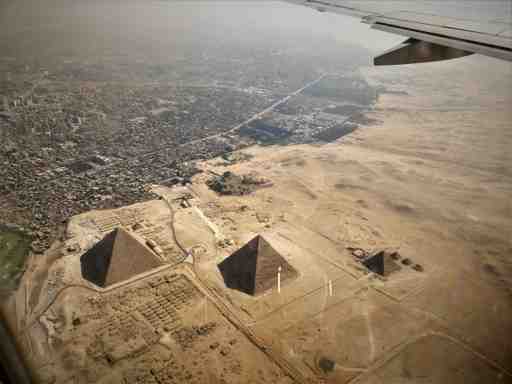
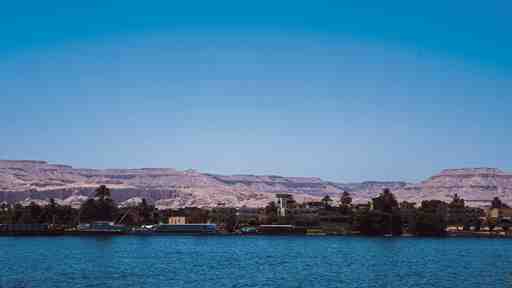
Explore Egypt arrow_forwardOther cities to walk in Egypt.

Loved by travellersThousands of tours started.
Thousands of tours started.
Plenty of opinions.
4.8 across the App Store and Google Play. Here's a few we keep coming back to.
starstarstarstarstar
This tour was such a great way to see the city. The stories were interesting without feeling too scripted, and I loved being able to explore at my own pace.

Jess
Tbilisi Tourstarstarstarstarstar
This was a solid way to get to know Brighton without feeling like a tourist. The narration had depth and context, but didn't overdo it.

Christoph
Brighton Tourstarstarstarstarstar
Started this tour with a croissant in one hand and zero expectations. The app just vibes with you, no pressure, just you, your headphones, and some cool stories.

John
Marseille Tourdownload Get the app Pop your headphones in.


Pop your headphones in.
Step outside.
Free to download. Tours in every city. Start in 60 seconds — no account, no card.

headphones
~ 4 min until your first tour starts
public
1,000+ cities worldwide
all_inclusive
AudaTours
Unlimited
Every tour. Every city. One subscription.
3097 tours2273 cities138 countries50+ languages
$39 /year
all_inclusive Explore Unlimited