
50+ languages
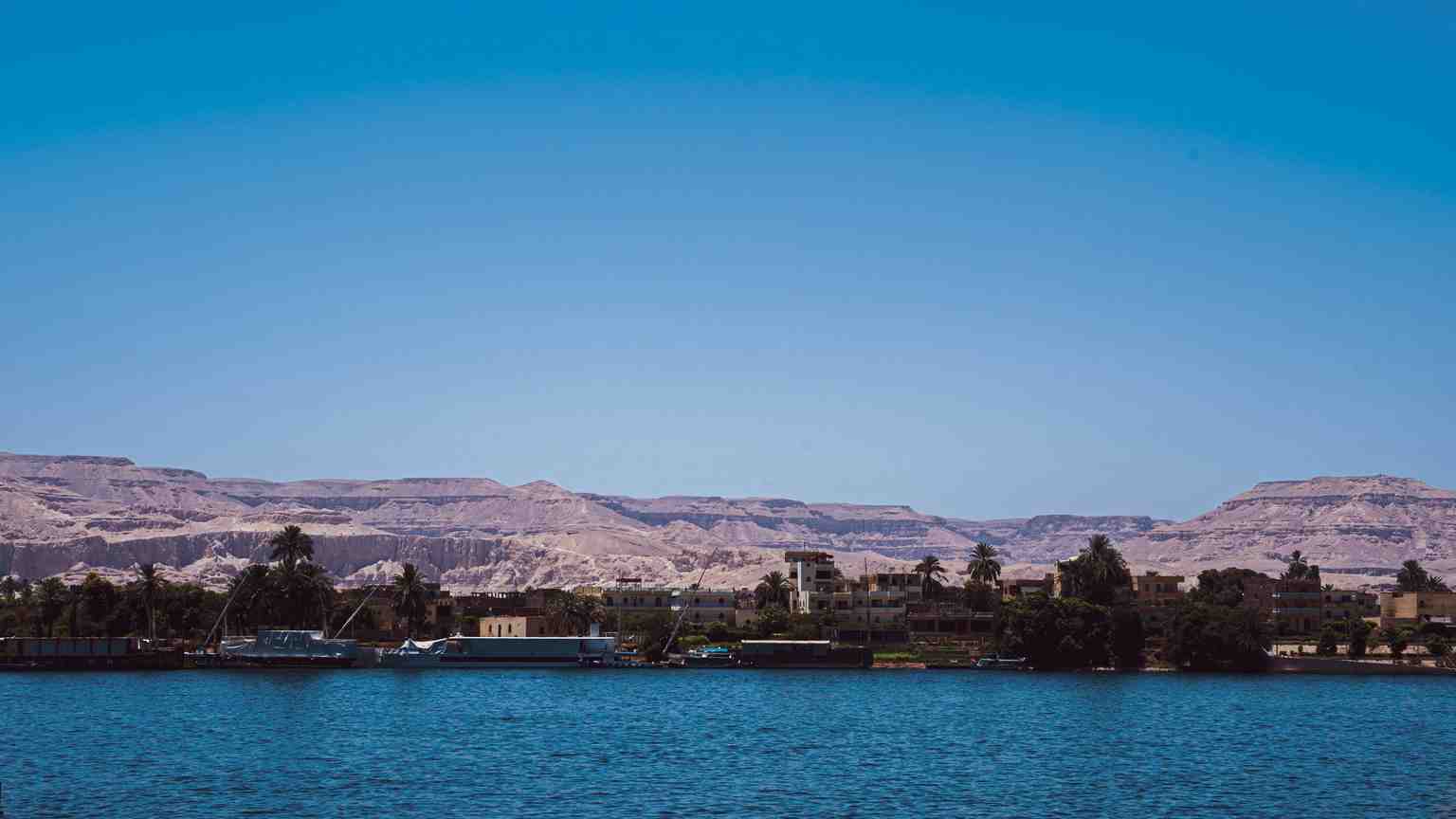
 Luxor · Egypt
 Luxor Audio Tours
Discover Luxor with self-guided audio walking tours
headphones
1 tours
pin_drop
20 landmarks
translate

Top landmarks
The Luxor everyone knows.
The landmarks in every guidebook — and the tours that tell you what guidebooks don't.
A few words on Luxor
The world's greatest open-air museum, then and now
Luxor is ancient Thebes, the capital of Egypt during the New Kingdom when the pharaohs built on a scale that still defies easy comprehension. The Temple of Karnak -- reached from Luxor town center by a palm-lined avenue of sphinxes -- was under continuous construction and expansion for over 1,300 years, from roughly 2055 BCE to 100 CE, and its hypostyle hall with 134 massive columns covering an area larger than Notre Dame Cathedral is one of the most overwhelming architectural spaces on earth. Luxor Temple sits in the middle of the modern city, lit at night so that the colossal statues of Ramesses II glow golden above the traffic.
The West Bank, across the Nile from the modern city, is a different world: the necropolis of the pharaohs, where the Valley of the Kings holds 63 known tombs cut into the limestone cliffs including the tomb of Tutankhamun, still decorated with the original painted scenes after 3,300 years.
Hot air balloon flights over the West Bank at sunrise are one of the most spectacular travel experiences available anywhere -- drifting in silence above the temples and tombs as the Nile valley fills with light and the desert hills turn amber. The Colossi of Memnon, two massive seated statues flanking the entrance to what was Amenhotep III's mortuary temple, have stood in their field for 3,400 years.
Luxor
Luxor FAQ
Before you walk.
Hot air balloon flights over the West Bank operate from about 5am daily (conditions permitting) and are one of Luxor's most memorable experiences. Several licensed operators run flights, and booking through your hotel or a reputable agency is recommended over accepting street solicitations. The Civil Aviation Authority of Egypt regulates operators, though quality varies significantly -- verify the operator's safety record before booking.
Luxor Temple sits at the center of the modern city on the Corniche al-Nil, built primarily by Amenhotep III and Ramesses II around 1400-1200 BCE. Unlike Karnak, it is compact enough to see in 90 minutes. The temple is lit at night and many visitors prefer an evening visit when the illuminated columns and statues are photographed without the midday heat. Entry is paid and the site stays open until 9pm.
October through March is the comfortable season in Luxor, with daytime temperatures between 20-30C. Summers are brutal -- July temperatures regularly exceed 40C (104F), and outdoor archaeological sites become difficult to visit for more than brief periods. Ramadan affects restaurant hours and public atmosphere, which can be interesting or inconvenient depending on your preferences.
EgyptAir operates several daily flights from Cairo to Luxor Airport in about 70 minutes, and this is the most practical option. The overnight sleeper train from Cairo Ramses Station to Luxor (about 10-11 hours) is a comfortable and atmospheric alternative, popular with visitors who enjoy train travel. The train arrives in central Luxor a short walk from the main sights.
Every Luxor tour, in your language.
All 50+ languages, included with every booking.
🇬🇧 English🇫🇷 Français🇪🇸 Español🇩🇪 Deutsch🇮🇹 Italiano🇯🇵 日本語🇨🇳 中文🇰🇷 한국어+ 41 more
star AudaTours Unlimited
Visiting more than one city? Subscribe.
Unlock every Luxor tour — plus thousands more worldwide. Cancel any time.
$4.99/week · Cancel anytime

More in Egypt
Explore Egypt arrow_forwardOther cities to walk in Egypt.
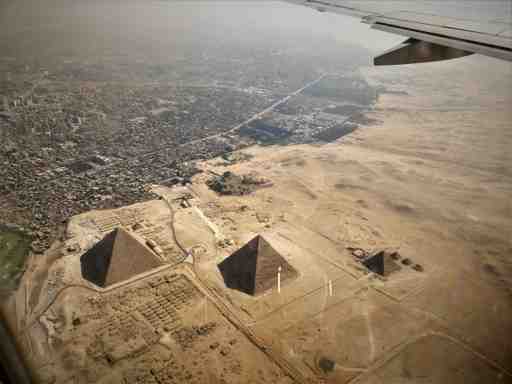

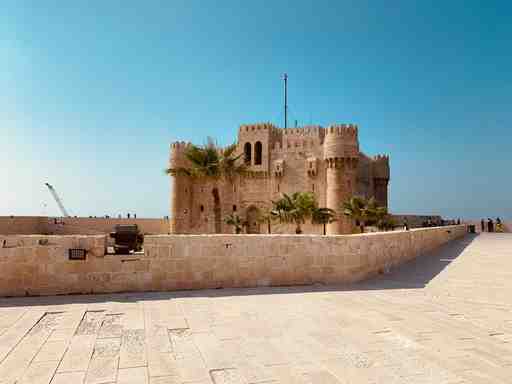
Loved by travellersThousands of tours started.
Thousands of tours started.
Plenty of opinions.
4.8 across the App Store and Google Play. Here's a few we keep coming back to.
starstarstarstarstar
This tour was such a great way to see the city. The stories were interesting without feeling too scripted, and I loved being able to explore at my own pace.

Jess
Tbilisi Tourstarstarstarstarstar
This was a solid way to get to know Brighton without feeling like a tourist. The narration had depth and context, but didn't overdo it.

Christoph
Brighton Tourstarstarstarstarstar
Started this tour with a croissant in one hand and zero expectations. The app just vibes with you, no pressure, just you, your headphones, and some cool stories.

John
Marseille Tourdownload Get the app Pop your headphones in.


Pop your headphones in.
Step outside.
Free to download. Tours in every city. Start in 60 seconds — no account, no card.

headphones
~ 4 min until your first tour starts
public
1,000+ cities worldwide
all_inclusive
AudaTours
Unlimited
Every tour. Every city. One subscription.
3097 tours2273 cities138 countries50+ languages
$39 /year
all_inclusive Explore Unlimited