
50+ languages

 Cairo · Egypt
 Cairo Audio Tours
Discover Cairo with self-guided audio walking tours
headphones
1 tours
pin_drop
20 landmarks
translate

Top landmarks
The Cairo everyone knows.
The landmarks in every guidebook — and the tours that tell you what guidebooks don't.
A few words on Cairo
The city that outlasted every dynasty.
Cairo was not always the city you see today. The Fatimid Caliph al-Muizz founded al-Qahira in 969 AD -- 'the victorious' -- but the site had already been home to the harbor town of Babylon-in-Egypt and the earlier Islamic capital of Fustat. The pyramids at Giza technically stand in what was ancient Memphis, predecessor to all of this; Cairo grew up next door to the world's oldest civilization and then ran in its own direction for another thousand years. The Egyptian Museum on Tahrir Square holds the treasure of Tutankhamun and generations of pharaohs under one colonial-era roof, while the Grand Egyptian Museum at Giza scales the entire story up to something unprecedented.
Islamic Cairo, the historic district around Al-Azhar Mosque and the Khan el-Khalili bazaar, is where the medieval city still runs at full volume: perfumers, spice merchants, and tea sellers on streets that have not fundamentally changed their purpose in a thousand years.
The Nile cuts through the city from south to north, and at evening the corniche along its banks fills with families, street vendors, and the kind of social life that happens outdoors in places where the weather permits it most of the year. Cairo is vast, noisy, frequently bewildering, and consistently more interesting than it gives you credit for.
Cairo
Cairo FAQ
Before you walk.
The Cairo Metro is the fastest way to move around the city, with Line 1 stopping near the Egyptian Museum at Sadat station and Line 3 extending toward Islamic Cairo. Taxis and ride-share apps (Uber and Careem both operate here) are widely available. The traffic above ground is legendary in its density, so metro is generally faster for cross-city journeys.
Central Cairo and the tourist districts are generally safe during the day. Islamic Cairo's narrow souks require more situational awareness since the alleys are very close and busy. Keep the audio at a volume that lets you hear traffic and people around you. As in any large city, stay alert at busy markets where pickpocketing occasionally occurs.
Modest, lightweight clothing is both culturally respectful and practically sensible in Cairo's heat. Women will attract less unwanted attention with shoulders and legs covered, particularly in Islamic Cairo. Closed-toe flat shoes are recommended because sidewalks and alleyways in the old districts are often uneven. A hat, sunscreen, and water bottle are essential.
Cairo makes this easy. Koshari (lentils, rice, pasta, and crispy onions in tomato sauce) is the great Cairo street food available at casual counters throughout the city. Around Al-Azhar, you can break for Egyptian fuul (fava beans) at any corner cafe. In the Khan el-Khalili area, tea at the historic El Fishawi cafe has been going since 1797.
Every Cairo tour, in your language.
All 50+ languages, included with every booking.
🇬🇧 English🇫🇷 Français🇪🇸 Español🇩🇪 Deutsch🇮🇹 Italiano🇯🇵 日本語🇨🇳 中文🇰🇷 한국어+ 41 more
star AudaTours Unlimited
Visiting more than one city? Subscribe.
Unlock every Cairo tour — plus thousands more worldwide. Cancel any time.
$4.99/week · Cancel anytime

More in Egypt
Explore Egypt arrow_forwardOther cities to walk in Egypt.
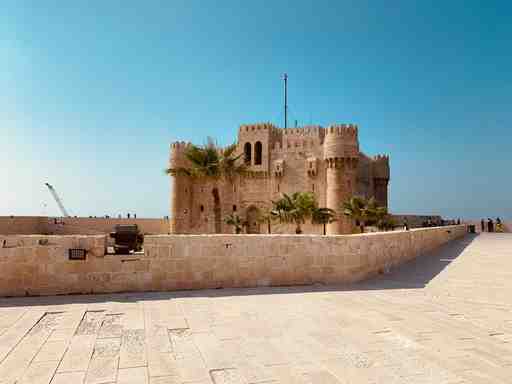

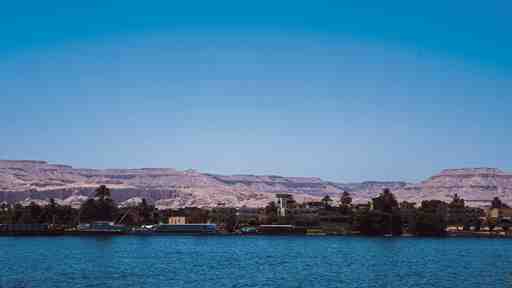
Loved by travellersThousands of tours started.
Thousands of tours started.
Plenty of opinions.
4.8 across the App Store and Google Play. Here's a few we keep coming back to.
starstarstarstarstar
This tour was such a great way to see the city. The stories were interesting without feeling too scripted, and I loved being able to explore at my own pace.

Jess
Tbilisi Tourstarstarstarstarstar
This was a solid way to get to know Brighton without feeling like a tourist. The narration had depth and context, but didn't overdo it.

Christoph
Brighton Tourstarstarstarstarstar
Started this tour with a croissant in one hand and zero expectations. The app just vibes with you, no pressure, just you, your headphones, and some cool stories.

John
Marseille Tourdownload Get the app Pop your headphones in.


Pop your headphones in.
Step outside.
Free to download. Tours in every city. Start in 60 seconds — no account, no card.

headphones
~ 4 min until your first tour starts
public
1,000+ cities worldwide
all_inclusive
AudaTours
Unlimited
Every tour. Every city. One subscription.
3097 tours2273 cities138 countries50+ languages
$39 /year
all_inclusive Explore Unlimited