
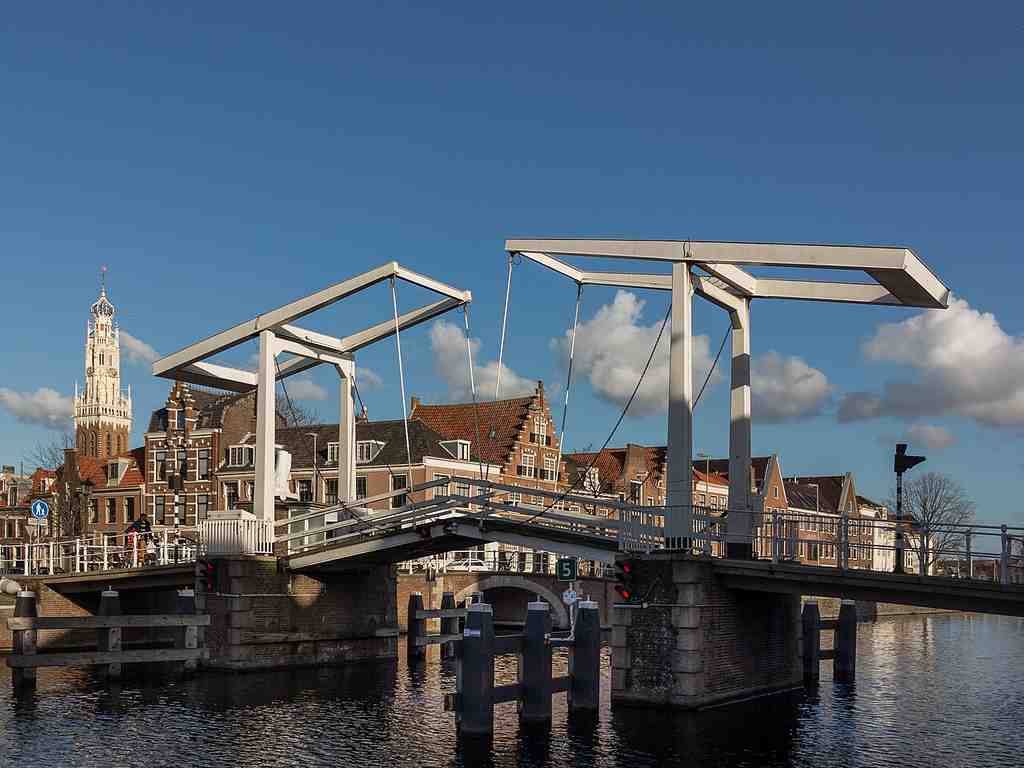
In front of you is a white and brown-red drawbridge of steel and timber, marked by its upright lifting frame and the tiny bridgekeeper’s house with a sculpted foot on top.
This is the Gravensteen crossing, and it is older than it first appears. The bridge takes its name from the nearby Gravensteen, a stronghold the counts of Holland ordered before Haarlem received city rights in twelve forty-five. From there, they watched ships, collected tolls, and guarded the town... so this was never just a handy shortcut.
A wooden bridge likely stood here by around twelve seventy-five, laid down under the count’s authority. Since then, one crossing replaced another for centuries, maybe six hundred years, maybe closer to eight hundred. The bridge you see now arrived in nineteen fifty, when Haarlem’s public works director, Jay Jay Fuijkschot, designed a new drawbridge for pedestrians linking the Spaarne with the Bakenesser canal. Familiar ground here usually turns out to be a stack of rewrites.
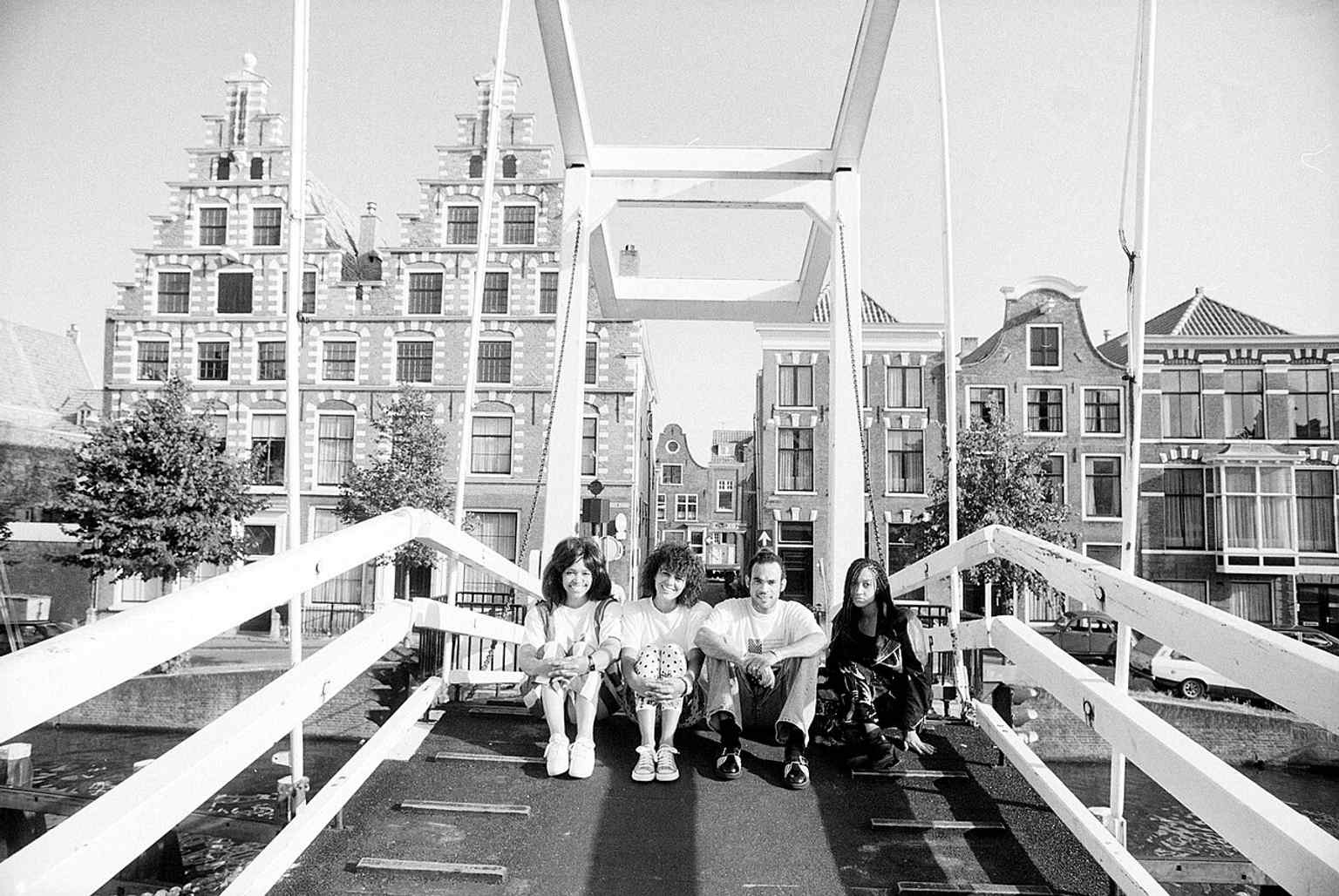
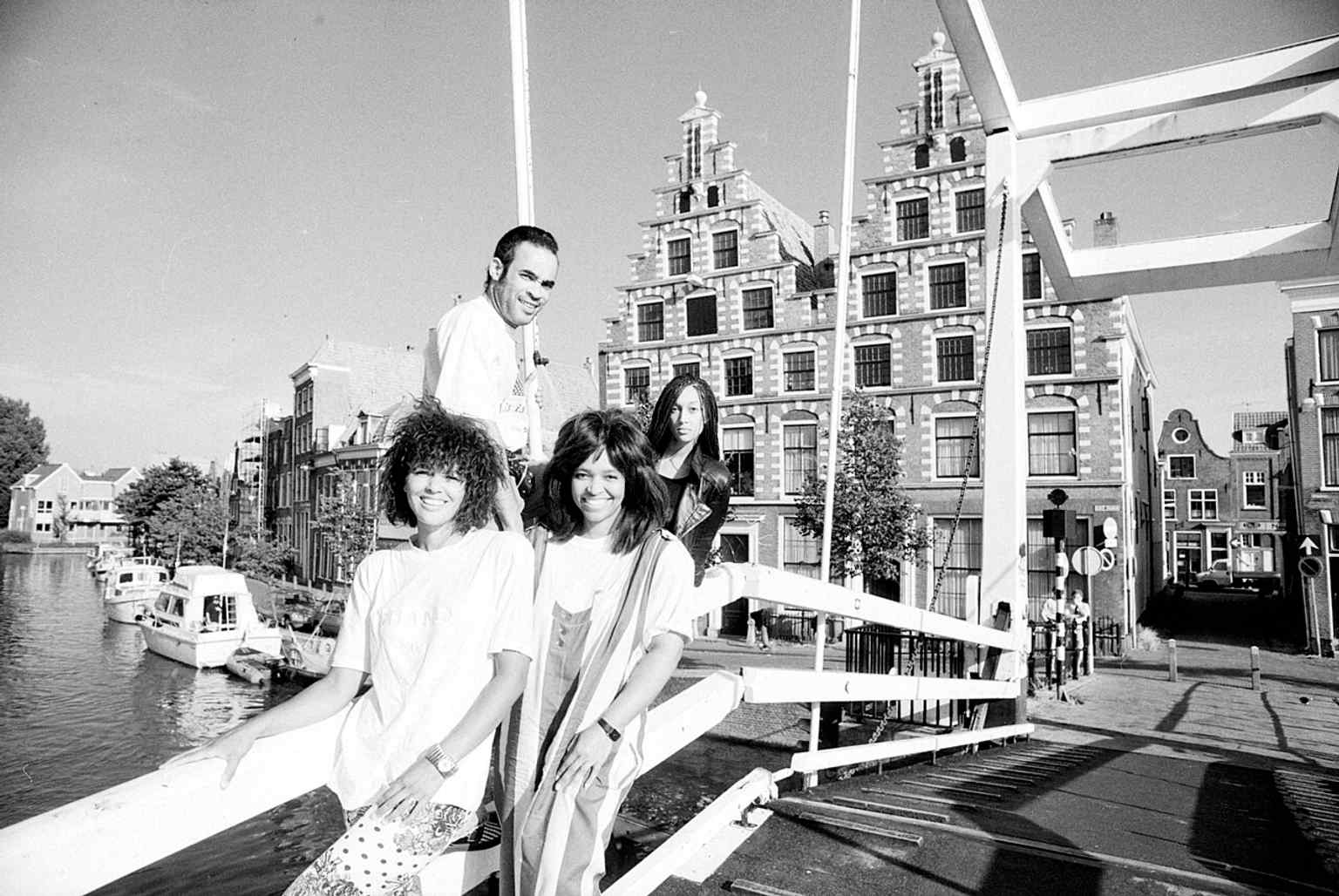
And then comes the twist. This old working bridge also became a stage. In nineteen sixty-six, Simon and Garfunkel posed here before a performance in De Waag. In nineteen eighty-nine, Haarlem’s royal men’s choir, Zang en Vriendschap, gathered here too. If you glance at the app image, you can see how naturally this crossing claims the spotlight in the city scene.
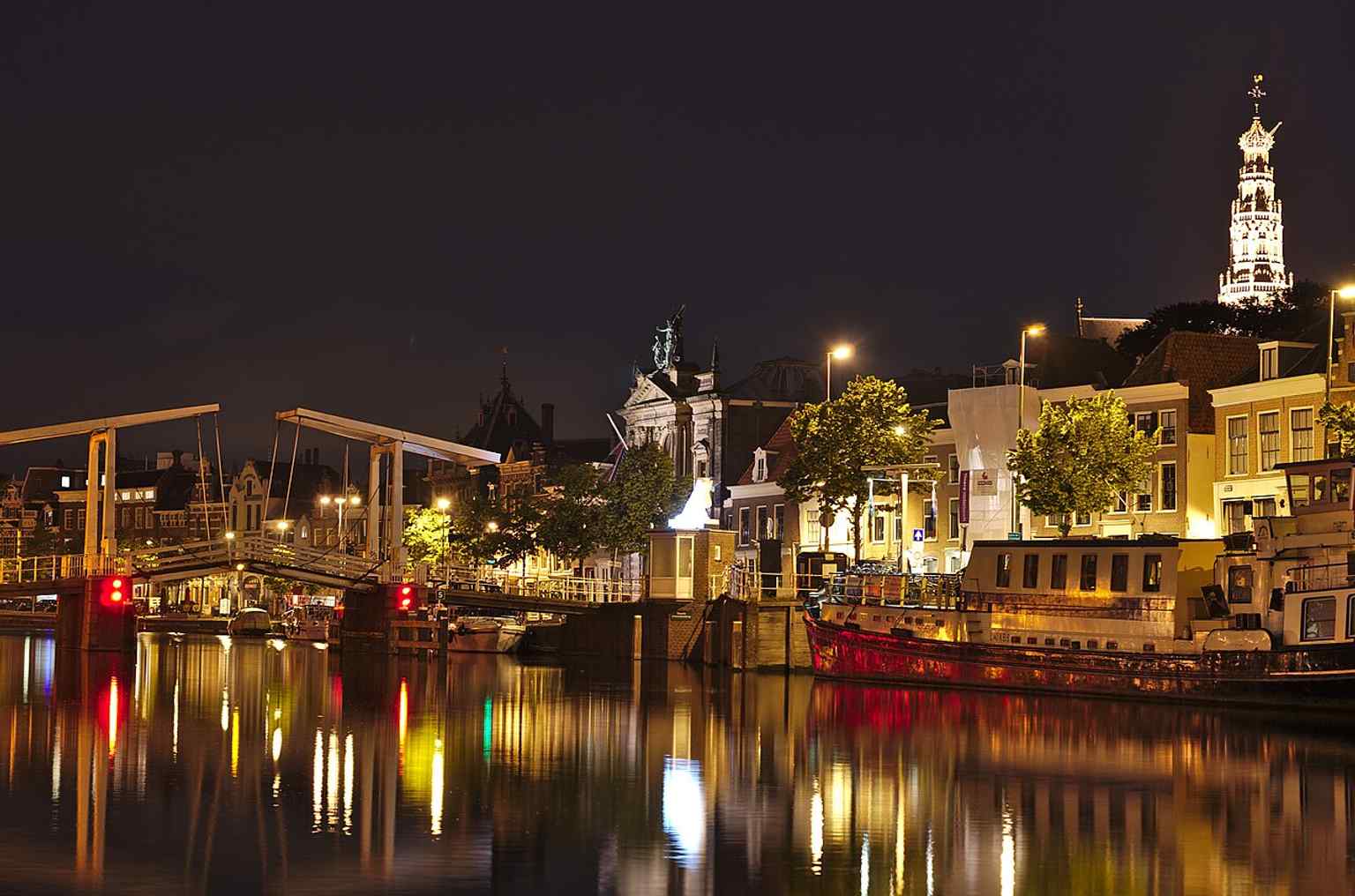
My favorite chapter belongs to Ramon Spierings. In nineteen ninety-seven, he quietly installed a sculpture called the Voet van Mercurius, the Foot of Mercury, on the bridgekeeper’s house... without permission. A little midnight rebellion. He also turned that hut into the “smallest museum in the Netherlands,” a cheeky counterpoint to nearby Teylers, the oldest museum in the country.
After a major restoration, the bridge reopened on the fourteenth of November, twenty twenty-four, with its historic colors returned. Before you go, see if you can spot Mercury’s foot and picture the surprise when it appeared overnight. This crossing does more than move people across water; it carries Haarlem from one era into the next. When you’re ready, Teylers Museum is about a one-minute walk from here.





.jpeg)

