
50+ languages

 Timisoara · Romania
 Timisoara Audio Tours
Discover Timisoara with self-guided audio walking tours
headphones
2 tours
pin_drop
20 landmarks
translate
Timisoara tours
Pick a Timisoara worth walking.
Self-guided audio tours written by people who actually live there.
2 tours
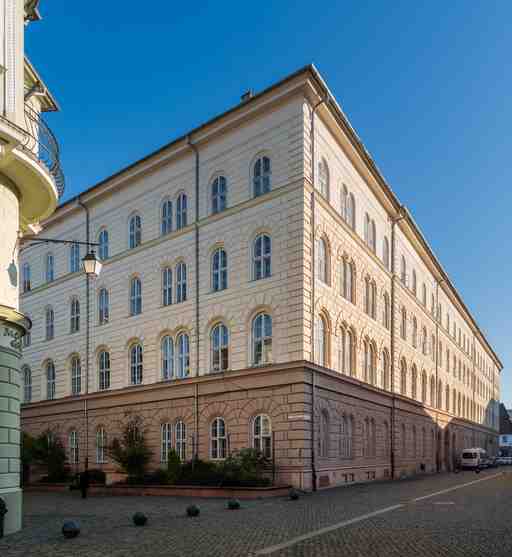
Timisoara Highlights Audio Tour: Architectural and Historical Treasures
Timișoara hides a jagged history beneath its elegant Secessionist facades where empires collided and revolutions ignited in the quiet streets. You are standing at the epicenter of a city that once defied kings and redefined freedom. Uncover these ghosts through a self guided audio tour that strips away the tourist veneer. Navigate secret squares and forgotten archives to reach stories that remain invisible to the passing crowd. Why did a single spark at the St. George Cathedral trigger a continental collapse? What dark scandal led to the construction of the formidable Dicasterial Palace? Why does the Theresia Bastion still echo with the footsteps of soldiers long dead? Feel the pulse of past rebellions as you traverse the cobbles. Transform your walk into an immersive descent into drama and discovery. Press play now and reclaim the hidden narrative of the city where empires fell.

Timisoara Audio Tour: Timisoara's Timeless Tapestry Tour
Underneath the lively boulevards of Timișoara, centuries of revolutions, secrets, and lost treasures pulse just below the surface. This self-guided audio tour leads you through stone archways, echoing cathedrals, and hidden corners where history breathes—revealing stories that slip past most visitors’ eyes. Who vanished without a trace inside Huniade Castle’s shadowed halls during a midnight rebellion? Why do certain bells of the Orthodox Cathedral chime only at particular hours—and what legend keeps locals listening? What scandal unfolded behind the stained-glass windows of Cetate Synagogue one stormy evening in 1913? Move through layers of time as whispers of drama and wonder sweep you along winding paths. Each landmark transforms from mere stones to vibrant witnesses of revolt, intrigue, and forgotten glory. See Timișoara anew—with curiosity guiding your every step. Press play now and unlock the pulse beneath Timișoara’s storied streets.
Top landmarks
The Timisoara everyone knows.
The landmarks in every guidebook — and the tours that tell you what guidebooks don't.
A few words on Timisoara
The city of roses where communism fell first
Timisoara earned its place in history on December 16, 1989, when mass protests erupted here against Nicolae Ceausescu's regime, making it the first city in Romania to break free from communist rule. The demonstrations that started on Piata Maria, sparked by the defense of a Reformed pastor named Laszlo Tokes, spread within days to Bucharest and toppled the government. The city has worn that distinction carefully, and its squares and boulevards bear the memory in plaques and monuments that reward a slow walk.
But Timisoara had been remarkable long before 1989.
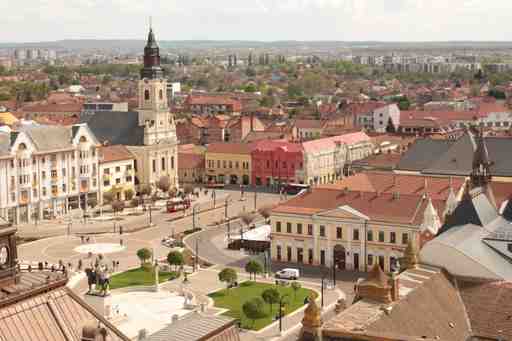
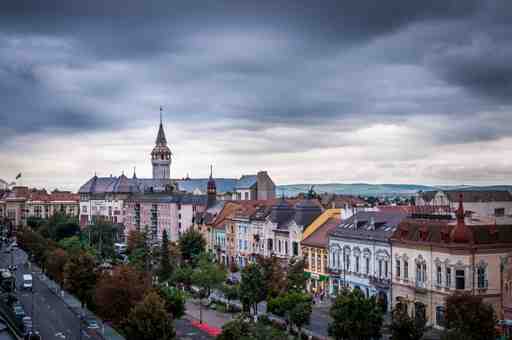
In 1884 it became the first city in Europe to install electric street lighting, a fact its residents still mention with pride. The Austrian Habsburgs left behind a city of elegant baroque squares, particularly Piata Unirii and Piata Victoriei, lined with pastel facades and framed by cathedral towers. The city earned the nickname 'Little Vienna' for this urban grace, and in 2023 it served as a European Capital of Culture, drawing attention back to a Banat city that has always known more than the world gave it credit for.
Timisoara
Timisoara FAQ
Before you walk.
Piata Unirii (Union Square) is the grandest Baroque square, ringed with 18th-century Habsburg buildings and dominated by the Roman Catholic Cathedral and the Serbian Orthodox Cathedral facing each other across the same plaza. Piata Victoriei (Victory Square) is where the 1989 Revolution demonstrations were largest and is anchored by the Romanian Orthodox Metropolitan Cathedral.
Timisoara has cultivated an exceptional network of parks and gardens throughout its history, and roses have been planted extensively in public spaces since the early 20th century. The city maintains dozens of parks and green spaces, with the Roses Park along the Bega Canal being the most celebrated. The nickname reflects a genuine commitment to urban greenery.
Timisoara has an international airport with connections to major European cities and regular trains to Bucharest (around 5 to 6 hours), Cluj-Napoca (around 3 hours), and Arad (30 minutes). The city sits in the western corner of Romania near the borders with Hungary and Serbia, making it a natural starting point for exploring the wider region.
The Cetate district (the old inner city) is the most convenient base, putting you within walking distance of both main squares, the Bega Canal promenade, the opera house, and the historic synagogues. The Fabric and Iosefin districts have retained more of their late 19th-century residential character and are pleasant for wandering on a longer visit.
Every Timisoara tour, in your language.
All 50+ languages, included with every booking.
🇬🇧 English🇫🇷 Français🇪🇸 Español🇩🇪 Deutsch🇮🇹 Italiano🇯🇵 日本語🇨🇳 中文🇰🇷 한국어+ 41 more
star AudaTours Unlimited
Visiting more than one city? Subscribe.
Unlock every Timisoara tour — plus thousands more worldwide. Cancel any time.
$4.99/week · Cancel anytime



Loved by travellersThousands of tours started.
Thousands of tours started.
Plenty of opinions.
4.8 across the App Store and Google Play. Here's a few we keep coming back to.
starstarstarstarstar
This tour was such a great way to see the city. The stories were interesting without feeling too scripted, and I loved being able to explore at my own pace.

Jess
Tbilisi Tourstarstarstarstarstar
This was a solid way to get to know Brighton without feeling like a tourist. The narration had depth and context, but didn't overdo it.

Christoph
Brighton Tourstarstarstarstarstar
Started this tour with a croissant in one hand and zero expectations. The app just vibes with you, no pressure, just you, your headphones, and some cool stories.

John
Marseille Tourdownload Get the app Pop your headphones in.


Pop your headphones in.
Step outside.
Free to download. Tours in every city. Start in 60 seconds — no account, no card.

headphones
~ 4 min until your first tour starts
public
1,000+ cities worldwide
all_inclusive
AudaTours
Unlimited
Every tour. Every city. One subscription.
3097 tours2273 cities138 countries50+ languages
$39 /year
all_inclusive Explore Unlimited